
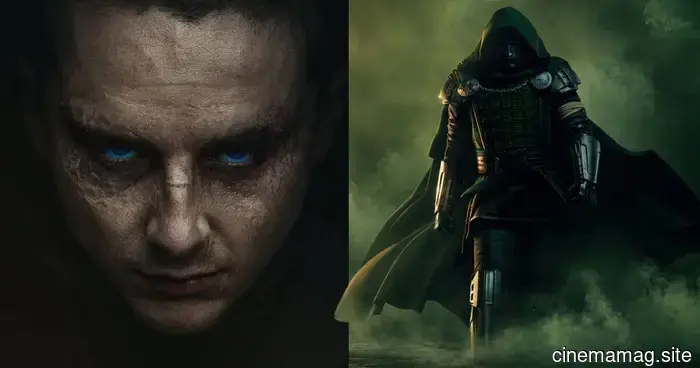
Reasons why Dune: Part Three should triumph over Avengers: Doomsday on Dunesday.
Tom Jolliffe discusses the importance of Dune: Part Three prevailing over Avengers: Doomsday on Dunesday...
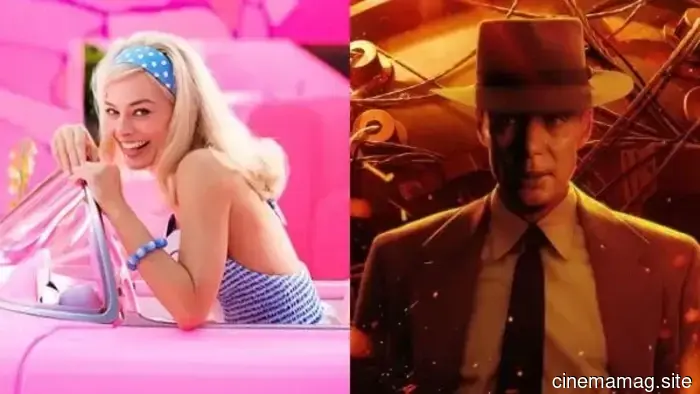
Recall Barbenheimer? That significant day in a post-COVID world witnessed the release of two very different films at the same time. Christopher Nolan’s Oppenheimer stood in stark contrast to Greta Gerwig’s vibrant and playful interpretation of the famous toy franchise. Both films received critical acclaim, and while Barbie seemed more primed for box office success, Oppenheimer enjoyed a remarkable run fueled by the viral phenomenon of Barbenheimer (a movement among film enthusiasts aimed at double-billing these contrasting movies). Nolan's films have evolved into events in their own right, regardless of their nature. Nonetheless, even the most fervent Nolan devotee likely couldn't have predicted an R-rated biopic about J. Robert Oppenheimer nearing a billion dollars during its theatrical engagement.
Ultimately, Oppenheimer finished slightly below a billion at the box office, while Barbie approached a billion and a half. Ultimately, cinema triumphed, with both films benefiting each other (though it can be argued that Oppenheimer received a more significant boost from the pairing). This type of cultural moment is probably a once-in-a-lifetime event, difficult to replicate. Attempts to recreate this success, such as with Saw X and Paw Patrol: The Movie (dubbed Saw Patrol), failed to catch on. Similarly, the effort to promote a double bill for Wicked and Gladiator 2 (titled Glicked) fell flat, which was unfortunate for Ridley Scott, as his long-anticipated sequel performed decently but not impressively at the box office.
Both Barbie and Oppenheimer showcased their own distinctive cinematic strengths. Nolan’s films have typically appealed more to a male audience, while Gerwig’s Barbie, with its feminist perspective, was destined to attract a larger female viewership. There was also some cross-audience interest, with Oppenheimer featuring a higher-than-usual representation of female viewers for a Nolan film.
On December 18th this year, the double feature of Dune: Part Three and Avengers: Doomsday is poised to generate significant theatrical interest, akin to Barbenheimer. However, it may not achieve the same uniqueness or fervor among fans who want to see both films repeatedly. Still, regardless of audience turnout for both films, each is likely to capture a substantial portion of the box office during the Christmas season and into the new year. A notable distinction is that, on paper, both of these high-profile sci-fi/fantasy adaptations are more aligned than those of Barbenheimer and share a similar market appeal. Moreover, a significant conflict here could have major implications for the future of cinema. It’s about more than just bragging rights; it reflects a cultural shift in viewer preferences that will provide insight into the next chapter of filmmaking, and Dunesday could be indicative of that.
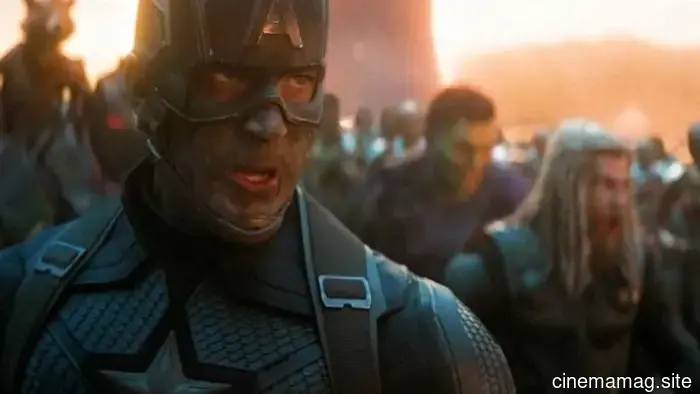
The MCU evolution from Iron Man in 2008 to Avengers: Endgame in 2019 marked a considerable change in what younger audiences sought in theaters. Marvel films and similarly styled offerings, like Disney's Star Wars, generated enormous profits. However, the COVID pandemic dealt a harsh blow to the cinema industry, occurring at a time when multiplexes were already saturated with IP-driven films, multiverse stories, and interconnected narratives. At one point, it felt like there was a new Marvel film every month. Unfortunately, after Endgame, subsequent releases lacked the same level of spectacle, and the oversaturation diminished their perceived importance, compounded by increasingly shortened theatrical windows. Box office earnings began to decline, with numerous Disney+ Marvel and Star Wars series receiving lukewarm responses, often ending after only a season or two (if they were lucky). This may be attributed, in part, to the quality of many of these projects.
Over the past decade or two, there has also been a significant evolution in how big-budget films are produced. The transition from tactile (textured, detailed, earthy, gritty) cinema to slick, surface-driven visuals is noteworthy. A major factor contributing to this change is the shift from practical effects to a reliance on CGI and post-production techniques to define and create films. There's an artificial quality to many contemporary blockbusters, often filmed largely in green screen environments with uniform lighting, leading to their aesthetic being finalized in post. This gives them a plastic, synthetic, and sometimes tedious appearance. Heavy CGI elements can become monotonous because the mentality of “bigger is better” can lead to excessive displays.
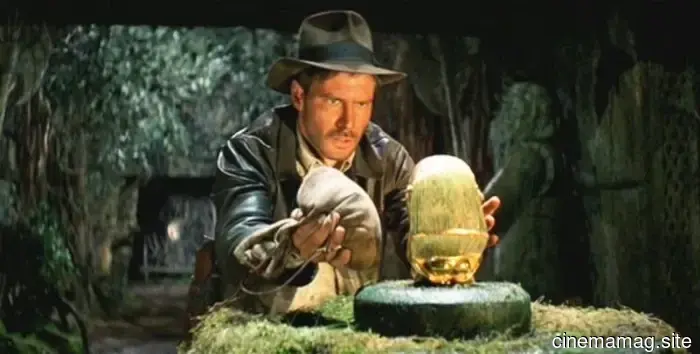
In contrast, consider Raiders of the Lost Ark, perhaps the apex of blockbuster adventure films, characterized by sweat, dust, dirt, texture, detail, and real locations. These elements are captured with the kind of painstaking craftsmanship that comes from well-designed sets and interesting lighting choices. When films are shot primarily in a vast studio lit with green screens, the limitations of practical effects can lead to rigidity and frustration for actors. Ian McK
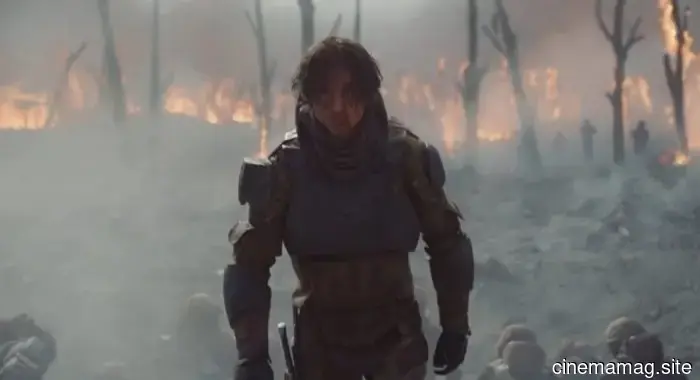
Other articles
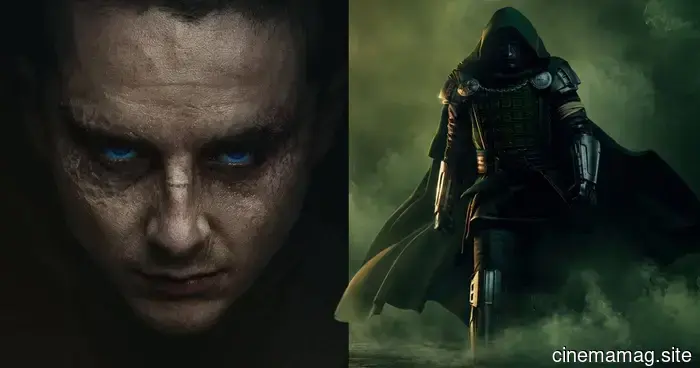 The reason Dune: Part Three should triumph on Dunesday over Avengers: Doomsday.
Tom Jolliffe discusses why Dune: Part Three must triumph in the Dunesday showdown against Avengers: Doomsday… Recall Barbenheimer? That significant day in a post-COVID world featured the release of two starkly contrasting films…
The reason Dune: Part Three should triumph on Dunesday over Avengers: Doomsday.
Tom Jolliffe discusses why Dune: Part Three must triumph in the Dunesday showdown against Avengers: Doomsday… Recall Barbenheimer? That significant day in a post-COVID world featured the release of two starkly contrasting films…
 First Teaser for Takashi Miike's Bad Lieutenant: Tokyo Delves into a Realm of Corruption
The endlessly productive Takashi Miike, who released Blazing Fists and Sham last year, is returning this fall with a fresh interpretation of Bad Lieutenant, following the unforgettable films by Abel Ferrara and Werner Herzog. Bad Lieutenant: Tokyo, featuring Shun Oguri, Lily James, and Liv Morgan, is set to premiere at TIFF next month, and NEON has now unveiled the first
First Teaser for Takashi Miike's Bad Lieutenant: Tokyo Delves into a Realm of Corruption
The endlessly productive Takashi Miike, who released Blazing Fists and Sham last year, is returning this fall with a fresh interpretation of Bad Lieutenant, following the unforgettable films by Abel Ferrara and Werner Herzog. Bad Lieutenant: Tokyo, featuring Shun Oguri, Lily James, and Liv Morgan, is set to premiere at TIFF next month, and NEON has now unveiled the first
 15 Movies to Watch in August
The star-studded days of summer are here. Although distributors are keeping their big releases for the fall, August still offers a few treats, such as some B-movie attractions, self-referential stories, and an unexpected release from one of our esteemed filmmakers. 15. The Dog Stars (Ridley Scott; Aug. 28) As he approaches his 90th birthday next year,
15 Movies to Watch in August
The star-studded days of summer are here. Although distributors are keeping their big releases for the fall, August still offers a few treats, such as some B-movie attractions, self-referential stories, and an unexpected release from one of our esteemed filmmakers. 15. The Dog Stars (Ridley Scott; Aug. 28) As he approaches his 90th birthday next year,
Reasons why Dune: Part Three should triumph over Avengers: Doomsday on Dunesday.
Tom Jolliffe discusses why Dune: Part Three must triumph in the Dunesday showdown against Avengers: Doomsday. Recall Barbenheimer? That significant day in a post-COVID world featured two vastly different films.