
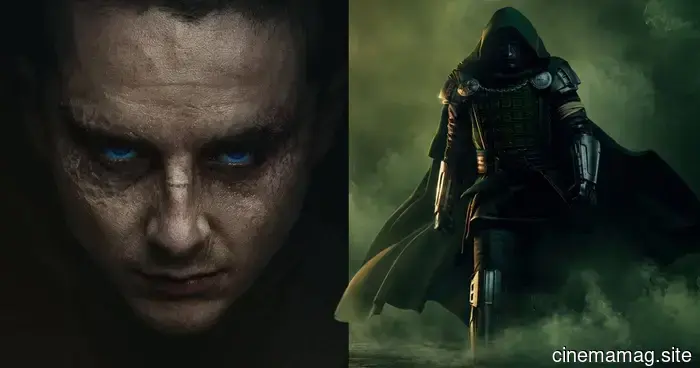
The reason Dune: Part Three should triumph on Dunesday over Avengers: Doomsday.
Tom Jolliffe discusses why Dune: Part Three should triumph over Avengers: Doomsday in the battle of Dunesday…
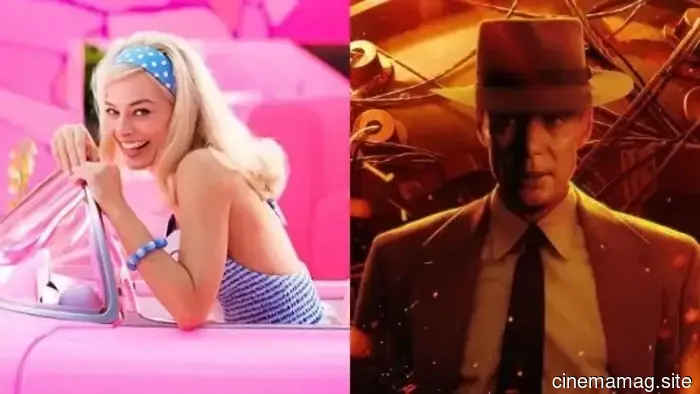
Remember Barbenheimer? That notable day in a post-COVID world saw the release of two very different films on the same date. Christopher Nolan’s Oppenheimer stood in stark contrast to Greta Gerwig’s vibrant and playful adaptation of the famous toy line. Both films received critical acclaim, and although Barbie was seemingly designed to attract box office success more immediately, Oppenheimer enjoyed a remarkable run due to the viral excitement surrounding Barbenheimer (which encouraged film lovers to see both films as a double feature). Christopher Nolan's films have become events in their own right, no matter the subject. However, even the most enthusiastic Nolan fan couldn't have anticipated an R-rated biopic about J. Robert Oppenheimer nearing a billion dollars during its theatrical release.
Ultimately, Oppenheimer came just shy of the billion-dollar mark at the box office, while Barbie approached one and a half billion. The real winner was cinema itself, with both films benefiting mutually (though it could be argued that Oppenheimer gained more from the pairing). This kind of viral cultural phenomenon is likely a rare occurrence, almost impossible to replicate. Attempts to create similar double features, like Saw X and Paw Patrol: The Movie (dubbed Saw Patrol), never gained traction. Nor did efforts to promote a double bill for Wicked and Gladiator 2 (termed Glicked), which was probably disappointing for Ridley Scott, whose anticipated sequel performed decently, but not spectacularly, at the box office.
Both Barbie and Oppenheimer brought their unique cinematic qualities. Nolan's films generally appeal more to male audiences, while Gerwig’s Barbie, with its feminist perspective, was always expected to draw a larger female crowd. There was also some crossover, as Oppenheimer showcased a higher-than-usual representation of women for a Nolan film.
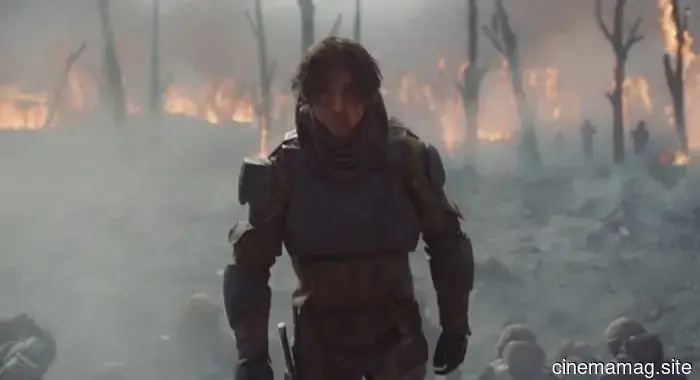
On December 18th of this year, a double feature of Dune: Part Three and Avengers: Doomsday will likely generate similar interest and gravity as Barbenheimer. However, this pairing is not as unique, nor do I anticipate fan dedication to seeing both films together in the same manner. Regardless of audience turnout for both films, they will likely claim significant portions of the box office during the Christmas season and into the new year. A notable distinction is that these two large-scale sci-fi/fantasy adaptations share more similarities than the Barbenheimer films and do not fit the same mold. Additionally, this competition could carry significant implications for the broader cinema landscape. It's not merely about bragging rights; it signals a cultural shift among audiences that could indicate the future direction of cinema, and Dunesday will help guide that path.
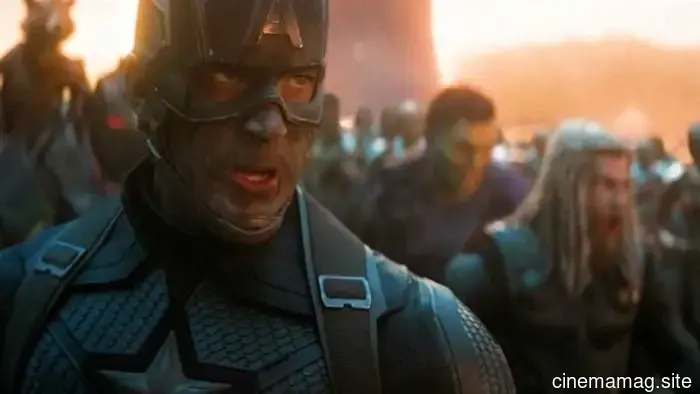
The Marvel Cinematic Universe saw a major shift in audience preferences between Iron Man in 2008 and Avengers: Endgame in 2019. Films from Marvel and similar franchises, like Disney’s Star Wars, generated enormous revenue. However, COVID dealt a severe blow to the cinema industry, coinciding with a time when multiplexes were flooded with IP-driven films, multiverses, and interconnected narratives. At one point, it felt like a new Marvel film was hitting theaters every other month. The problem is that after Endgame, nothing seemed nearly as spectacular, and oversaturation made everything feel less essential, further exacerbated by shrinking theatrical release windows. Revenues began to decline, and a wave of Disney+ Marvel and Star Wars shows ended after a season or two (at best), largely met with indifference from viewers (partially due to the poor quality of many of these productions).
Over the last decade or two, there has been a substantial shift in how big-budget films are produced. The industry has moved away from tactile filmmaking that feels textured and gritty towards more superficial, optic cinema that often lacks detail. This transition is mainly due to a reliance on CGI and post-production effects rather than practical shooting techniques. Modern blockbusters frequently involve extensive use of green screen with uniform, flat lighting, leading to a final product that can feel artificial and boring. Massive CGI sequences can drag on endlessly, driven by the notion that bigger is automatically better—often to the point of fatigue.
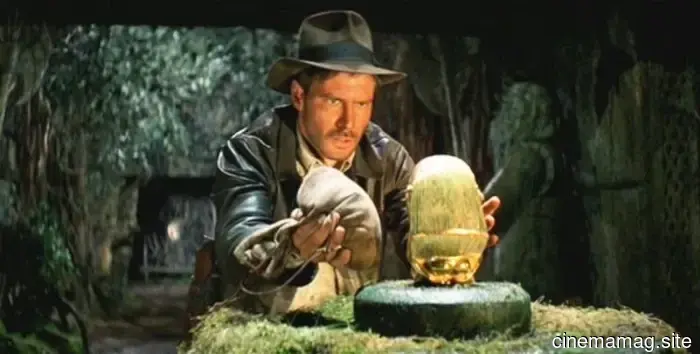
By contrast, consider Raiders of the Lost Ark, arguably the peak of adventure blockbuster cinema. It presented sweat, dust, dirt, texture, detail, real locations, and innovative lighting techniques. Setting films in massive studios covered in green felt limits what can be achieved on set, often resulting in stiffness and frustration for the actors. Ian McKellen, for instance, expressed significant frustration with the process in The Hobbit films when compared to the more practical filmmaking approach taken in Peter Jackson’s The Lord of the Rings trilogy.
As more contemporary blockbusters struggle to succeed at the box office, and younger viewers show increased interest in independent films (particularly horror like Obsession), it raises questions about whether Gen-Z audiences appreciate traditional,
Other articles
 First Teaser for Takashi Miike's Bad Lieutenant: Tokyo Delves into a Realm of Corruption
The endlessly productive Takashi Miike, who released Blazing Fists and Sham last year, is returning this fall with a fresh interpretation of Bad Lieutenant, following the unforgettable films by Abel Ferrara and Werner Herzog. Bad Lieutenant: Tokyo, featuring Shun Oguri, Lily James, and Liv Morgan, is set to premiere at TIFF next month, and NEON has now unveiled the first
First Teaser for Takashi Miike's Bad Lieutenant: Tokyo Delves into a Realm of Corruption
The endlessly productive Takashi Miike, who released Blazing Fists and Sham last year, is returning this fall with a fresh interpretation of Bad Lieutenant, following the unforgettable films by Abel Ferrara and Werner Herzog. Bad Lieutenant: Tokyo, featuring Shun Oguri, Lily James, and Liv Morgan, is set to premiere at TIFF next month, and NEON has now unveiled the first
 15 Movies to Watch in August
The star-studded days of summer are here. Although distributors are keeping their big releases for the fall, August still offers a few treats, such as some B-movie attractions, self-referential stories, and an unexpected release from one of our esteemed filmmakers. 15. The Dog Stars (Ridley Scott; Aug. 28) As he approaches his 90th birthday next year,
15 Movies to Watch in August
The star-studded days of summer are here. Although distributors are keeping their big releases for the fall, August still offers a few treats, such as some B-movie attractions, self-referential stories, and an unexpected release from one of our esteemed filmmakers. 15. The Dog Stars (Ridley Scott; Aug. 28) As he approaches his 90th birthday next year,
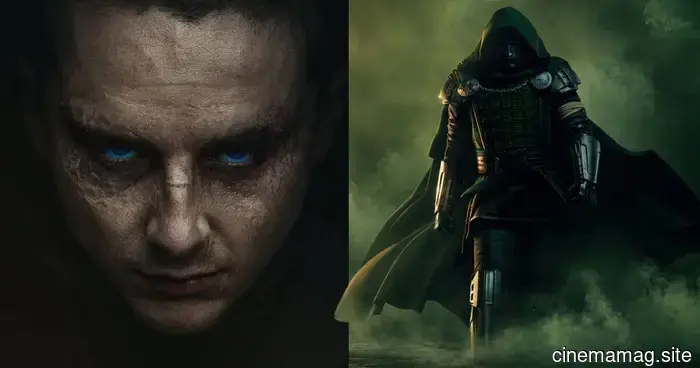 Reasons why Dune: Part Three should triumph over Avengers: Doomsday on Dunesday.
Tom Jolliffe discusses why Dune: Part Three must triumph in the Dunesday showdown against Avengers: Doomsday. Recall Barbenheimer? That significant day in a post-COVID world featured two vastly different films.
Reasons why Dune: Part Three should triumph over Avengers: Doomsday on Dunesday.
Tom Jolliffe discusses why Dune: Part Three must triumph in the Dunesday showdown against Avengers: Doomsday. Recall Barbenheimer? That significant day in a post-COVID world featured two vastly different films.
The reason Dune: Part Three should triumph on Dunesday over Avengers: Doomsday.
Tom Jolliffe discusses why Dune: Part Three must triumph in the Dunesday showdown against Avengers: Doomsday… Recall Barbenheimer? That significant day in a post-COVID world featured the release of two starkly contrasting films…