
Union County Review: Discovering Grace in the Gradual, Humbling Journey of Recovery
Note: This review was first published as part of our 2026 Sundance coverage. The film will be released on August 14.
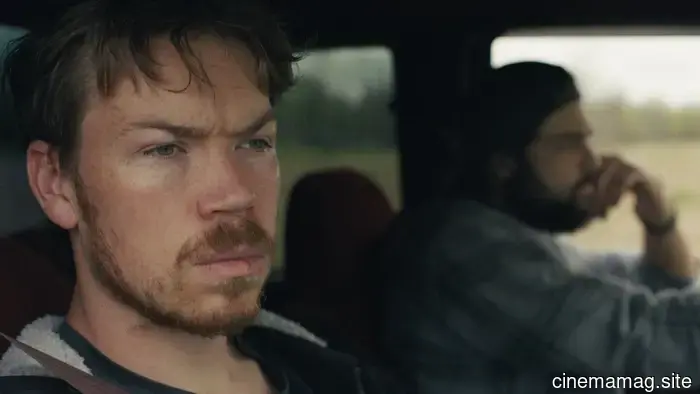
Last summer, during the fourth season of The Bear, Will Poulter made an entrance into the show’s namesake Chicago restaurant, leaving the kitchen staff in awe with his striking looks. This reaction isn't new to the tall British actor, whose captivating blue eyes, angular physique, and charming accent have drawn attention for years. Regardless of his supporting role, his presence alters the atmosphere of any room. However, in Union County, writer-director Adam Meeks’ confident feature debut, Poulter attempts to blend into the background. Portraying recovering drug addict Cody Parsons, he enters a courthouse with disheveled hair, an unkempt beard, and slouched shoulders, diminishing his vibrant allure to a muted presence. No one notices him, let alone reacts to his appearance.
This stripped-down image aims to help him fit in. Based on Meeks’ 2020 short film of the same name, Union County depicts Cody's journey through the initial phase of a rural Ohio drug court program intended to provide better rehabilitation options than short-term jail sentences, set against the backdrop of the opioid crisis. He strives for sobriety alongside his foster brother Jack (Noah Centineo, another attractive actor sporting a rugged look), tackling his struggles with heroin and alcohol under the guidance of a supportive counselor, while undergoing regular drug tests and appearing before a judge. Unlike many films about addiction, Meeks complements this journey with non-professional actors—a community of real recovering addicts and a local judge, blending fiction and documentary to create a powerful and authentic representation of individuals on the edges of society seeking sobriety and a renewed sense of purpose.
Such directorial choices can invite accusations of exploitation, raising concerns that the real residents of Bellefontaine, Ohio, might be viewed as mere props, stripped of their humanity and dignity. However, Meeks largely defends against these claims with his kindness and genuine interest in the program's process. He begins with testimonials from recovering addicts and later documents group meetings where they can share their stories and support one another. Meeks, a Brooklyn-based NYU film student from Columbus who grew up in central Ohio, witnessed the opioid crisis's impact firsthand and has engaged in what he describes as a “collaborative creative practice” in the community, cultivating friendships with program participants and court staff. The care and concern are evident in the diverse faces and voices presented, as well as in portrayals of the county’s setting, a grim collage of desolate roads and gray, pastoral landscapes that highlight the critical importance of human connections in achieving daily progress.
Despite the rich backdrop and textured setting, Union County relies heavily on Cody's character, and the film thrives mainly due to Poulter’s subdued, introspective performance as a young man grappling with his precarious situation. Rather than resorting to the emotional extremes typical of the genre, Poulter chooses a more introspective approach. Well-versed in portraying this crisis (having previously played a pharmaceutical representative in Dopesick), he exudes a sense of weariness and vulnerability, ready to restart but burdened with guilt and regret. Meeks keeps the camera focused closely on him, capturing his subtle reactions and the challenges of living out of his car or unexpectedly staying at his sister's house where he feels unwelcome. Several times, Meeks captures Cody’s decision-making from the backseat, observing as he drives into perilous, secluded areas and contemplates choices that could shape his future. How did he end up here? How did his brother encounter similar struggles? Who has he harmed? Meeks gradually unveils context and details, but it never feels like he is withholding; instead, he remains nonjudgmental by being present.
In many ways, that encapsulates Union County, a narrative of gradual progress shedding light on the individuals, friends, and family members affected by a disease that requires real time, effort, and understanding to overcome. As Cody begins to evolve within the program and finds inspiration through success stories, Meeks carefully depicts a clear trajectory toward redemption. In one of the most impactful moments, Cody reaches out to his program counselor during a period of doubt and helplessness. The beauty of their interaction—a mostly quiet dialogue filled with an unspoken understanding of fleeting temptation—lies in the counselor's simple, attentive gestures, her willingness to endure silence, and her commitment to supporting him through this moment without abandonment. “It’s not anyone’s fault,” she reassures him. This calm, compassionate response embodies the kind of heroic empathy that can completely alter someone's path and encourage them to strive for a better tomorrow.
Union County had its premiere at the 2026 Sundance Film Festival.
Other articles
 In "Flavor of the Month," Nathan Xia addresses the issues surrounding stereotypical casting.
Not too long ago, Nathan Xia had an opportunity to audition for a major franchise. They were looking for an Asian American actor skilled in martial arts, and he dedicated himself to the audition.
In "Flavor of the Month," Nathan Xia addresses the issues surrounding stereotypical casting.
Not too long ago, Nathan Xia had an opportunity to audition for a major franchise. They were looking for an Asian American actor skilled in martial arts, and he dedicated himself to the audition.
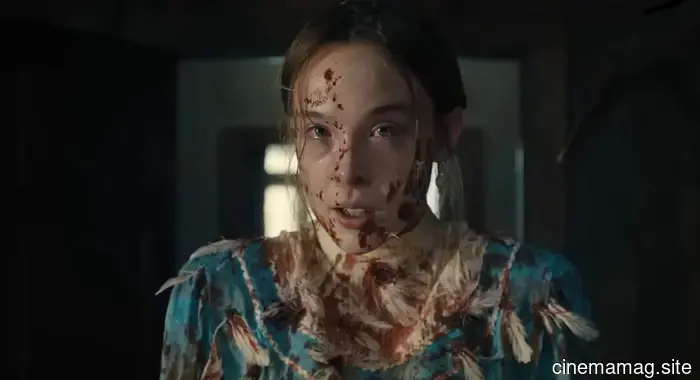 Netflix releases the initial trailer for Monster: The Lizzie Borden Story.
Netflix has released the initial teaser trailer for Monster: The Lizzie Borden Story, the fourth installment in the true-crime anthology series by Ryan Murphy and Ian Brennan, featuring Ella Beatty in the role of…
Netflix releases the initial trailer for Monster: The Lizzie Borden Story.
Netflix has released the initial teaser trailer for Monster: The Lizzie Borden Story, the fourth installment in the true-crime anthology series by Ryan Murphy and Ian Brennan, featuring Ella Beatty in the role of…
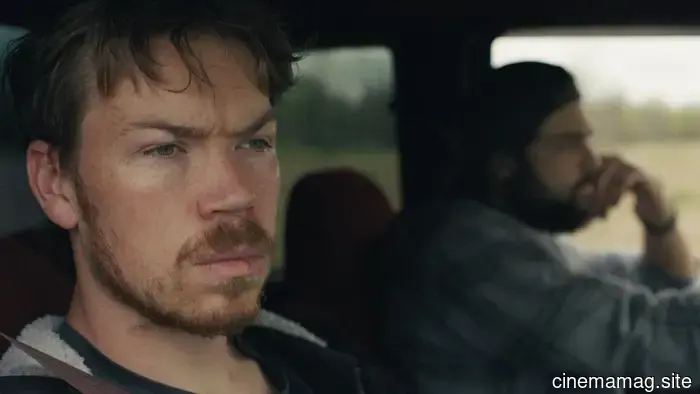 Union County Review: Discovering Grace in the Gradual, Humbling Journey of Recovery
Note: This review was initially published during our 2026 Sundance coverage. The film premieres on August 14. Last summer, during the fourth season of The Bear, Will Poulter made an entrance into the show’s namesake Chicago restaurant, leaving the kitchen staff stunned by his attractiveness. This reaction wasn’t particularly novel.
Union County Review: Discovering Grace in the Gradual, Humbling Journey of Recovery
Note: This review was initially published during our 2026 Sundance coverage. The film premieres on August 14. Last summer, during the fourth season of The Bear, Will Poulter made an entrance into the show’s namesake Chicago restaurant, leaving the kitchen staff stunned by his attractiveness. This reaction wasn’t particularly novel.
 In "Flavor of the Month," Nathan Xia addresses stereotypical casting.
Recently, Nathan Xia had the opportunity to audition for a major franchise that was in search of an Asian American actor skilled in martial arts, and he immersed himself in the process.
In "Flavor of the Month," Nathan Xia addresses stereotypical casting.
Recently, Nathan Xia had the opportunity to audition for a major franchise that was in search of an Asian American actor skilled in martial arts, and he immersed himself in the process.
 Black Zombie Trailer Uncovers the Disturbing Origins of a Horror Classic
Selected for the SXSW Film Festival 2026, Hot Docs 2026, Fantasia International Film Festival, and the 2026 Black Star Film Festival, Maya Annik Bedward's documentary Black Zombie is set for a theatrical release next month. Prior to its debut on September 11 in New York City and Los Angeles, Kino Lorber has unveiled the initial trailer.
Black Zombie Trailer Uncovers the Disturbing Origins of a Horror Classic
Selected for the SXSW Film Festival 2026, Hot Docs 2026, Fantasia International Film Festival, and the 2026 Black Star Film Festival, Maya Annik Bedward's documentary Black Zombie is set for a theatrical release next month. Prior to its debut on September 11 in New York City and Los Angeles, Kino Lorber has unveiled the initial trailer.
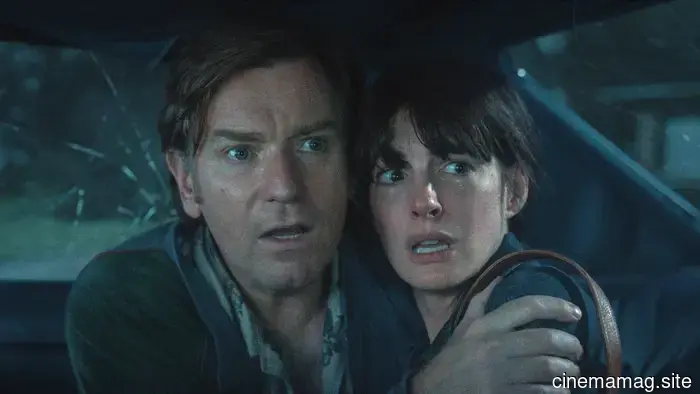 The End of Oak Street Review: David Robert Mitchell's Playful Yet Forgettable Comeback
The End of Oak Street begins with energetic enthusiasm, as Michael Giacchino's confident, powerful score transports us directly from the production cards to a lively block party in 1982 Flowervale, Michigan. Here, the fashion and design of the ‘70s dominate everything—clothing, home decor, cars, you name it. From this point, it's Meet the...
The End of Oak Street Review: David Robert Mitchell's Playful Yet Forgettable Comeback
The End of Oak Street begins with energetic enthusiasm, as Michael Giacchino's confident, powerful score transports us directly from the production cards to a lively block party in 1982 Flowervale, Michigan. Here, the fashion and design of the ‘70s dominate everything—clothing, home decor, cars, you name it. From this point, it's Meet the...
Union County Review: Discovering Grace in the Gradual, Humbling Journey of Recovery
Please note: This review was initially published during our coverage of Sundance 2026. The film will premiere on August 14. Last summer, while The Bear was in the midst of its fourth season, Will Poulter walked into the show's namesake restaurant in Chicago, leaving the kitchen staff visibly stunned by his good looks. This wasn’t the first time such a reaction had occurred.