

Film Schools and the Future: Strategies for Anticipating the Unforeseen
A reputable film school doesn't merely seek to foresee the future; it aims to equip its students for any potential future.
It doesn’t only instruct on the latest technology, which is bound to become outdated. Instead, a quality film school educates students on how to craft stories using minimal resources when necessary.
It focuses on fostering originality rather than encouraging the replication of trendy concepts — instilling both creativity and confidence to implement their unique ideas.
A good film school teaches students to foresee challenges — whether technical, financial, or creative — since storytelling largely revolves around problem-solving.
Indeed, the contemporary film and television landscape may appear more unpredictable than ever. Who could have predicted at the beginning of 2026 that a low-budget film by a YouTube creator, Obsession, would surpass the latest Star Wars at the box office?
Could anyone have foreseen the remarkable success of Backrooms, which originated from a meme?
Did anyone anticipate years ago that streaming would surpass broadcast and cable in terms of viewership?
And why are our social media feeds inundated with strange retro AI renditions of fictional superhero movies from the 1950s? The surge in AI use — capable of quickly generating a substantial amount of mediocre content — has made the industry feel more unstable than it has in the past.
However, a solid film school offers a reliable foundation, regardless of the unexpected or absurd events occurring in the entertainment sector.
We consulted nine of the film schools from our list of the 30 Best Film Schools in the U.S. and Canada on how they are preparing students for a future that cannot be predicted. Although their methods and focal points in filmmaking may differ, they all share a common belief in humanity — and in human narratives.
Here are their insights on readying students for the future.
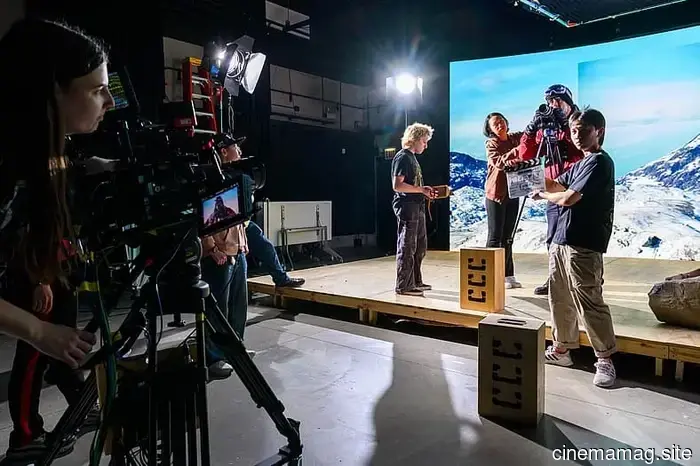
Columbia College Chicago students shoot in front of the school's Volume wall.
COLUMBIA COLLEGE CHICAGO
Wenhwa Tsao • Dean, School of Film and Television
Every generation of storytellers must adapt to new technologies, distribution methods, and audience engagement with the content they produce. The School of Film and Television at Columbia College Chicago trains students to grasp current industry practices and to be adaptable learners who can thoughtfully assess emerging technologies. We emphasize keeping the human experience central to storytelling, discussing the ethical implications of incorporating new tools into their work. Our goal is for students to welcome change, continue learning, and persist in creating new content, enabling them to build sustainable careers and preserve their artistic identity.
Students gain confidence through engagement in a variety of projects within a collaborative and supportive environment. They learn through practice, reflecting on their work, and enhancing subsequent projects. This process of creating multiple projects helps them discover their voice and recognize their capability to collaborate with others. Our graduates are content creators equipped with the resilience, adaptability, and sense of purpose necessary to produce meaningful work in a rapidly evolving world.
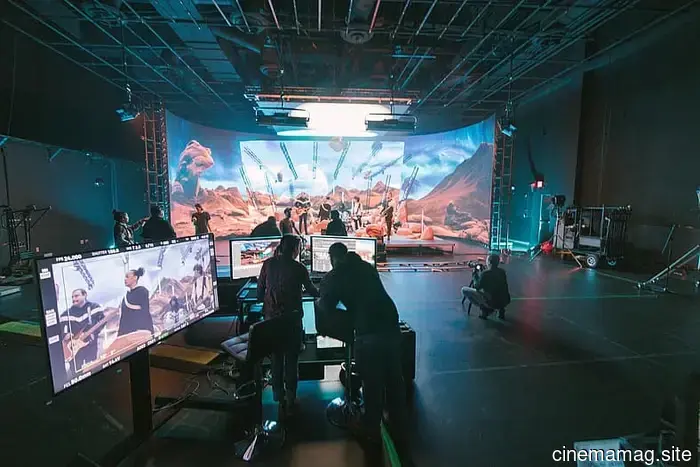
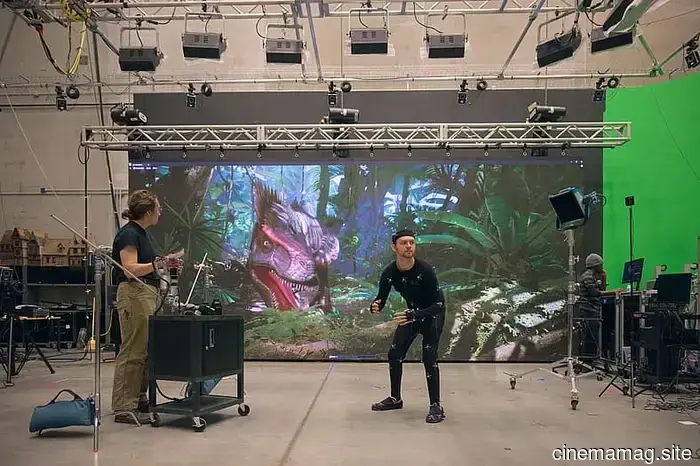
Full Sail University's on-campus virtual production facility, Studio V1.
FULL SAIL UNIVERSITY
Anne Russell • Program Director, Film Production MFA
Adaptability has long been a fundamental aspect of the film industry, with every era encountering and embracing its own disruptions.
That’s why we don’t prepare students for a specific job; we equip them to address challenges, embrace innovative technology, collaborate across disciplines, and maintain a commitment to lifelong learning throughout their careers.
Whether working in traditional filmmaking, virtual production, streaming, or in positions yet to emerge, the core principles of storytelling, creativity, and professionalism remain unchanged. Our intention is to graduate filmmakers capable of confidently navigating diverse environments, having already learned to evolve alongside an ever-changing industry.
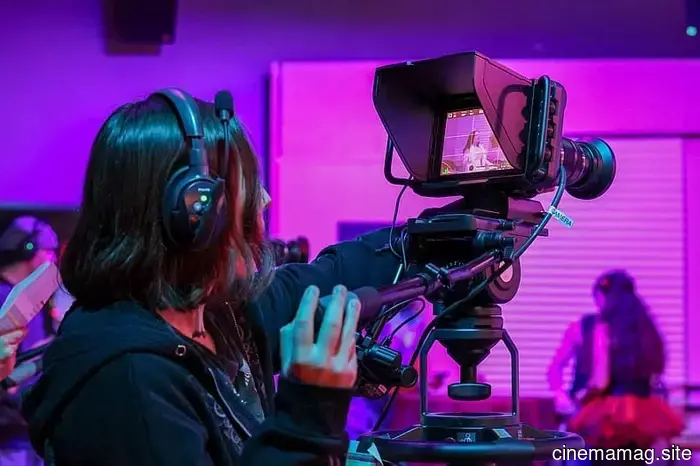
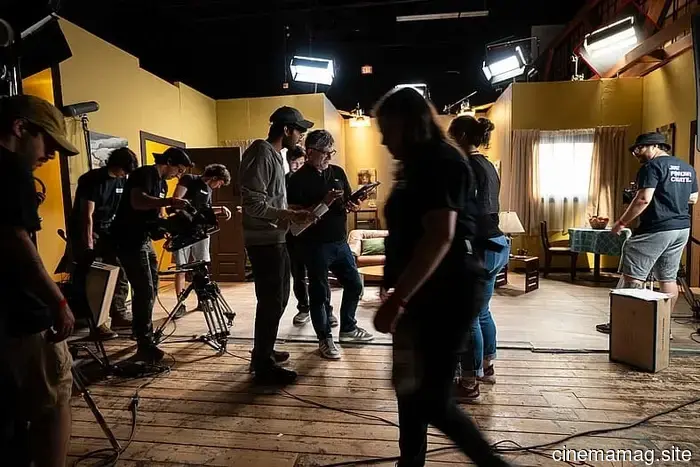
A recent edition of the SCAD Savannah Film Festival.
SAVANNAH COLLEGE OF ART AND DESIGN
Andra Reeve-Rabb • Dean, School of Film and Acting and Executive Director of SCAD Casting Office
SCAD excels in preparing our students for every aspect of the entertainment sector. From casting to distribution, our cutting-edge programs enable students to transition effortlessly from the classroom to set, as our classrooms effectively function as sets! We not only teach them the pace of the industry but also train them to be agile and adaptable storytellers as they navigate the constantly evolving landscapes of our field. We emphasize content creation and the significance of collaboration in delivering award-winning projects.
We’ve cultivated an environment where students don’t just learn about filmmaking; they immerse themselves in it. They engage in casting projects, set design, content production, and act in professional productions while experimenting with emerging technologies and learning from faculty members who have reached the pinnacle of the industry. By graduation, they are not aspiring professionals but already active members of the creative workforce.
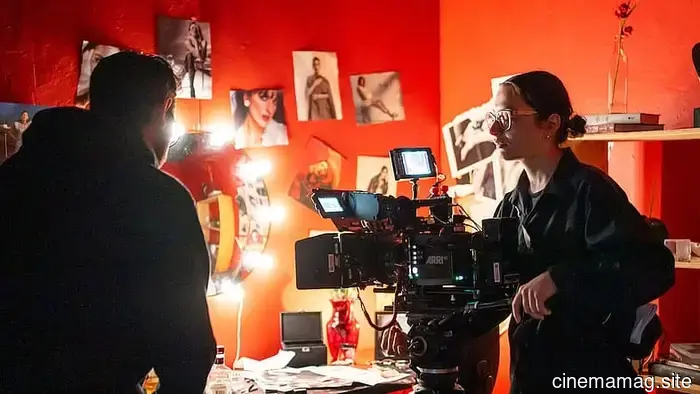
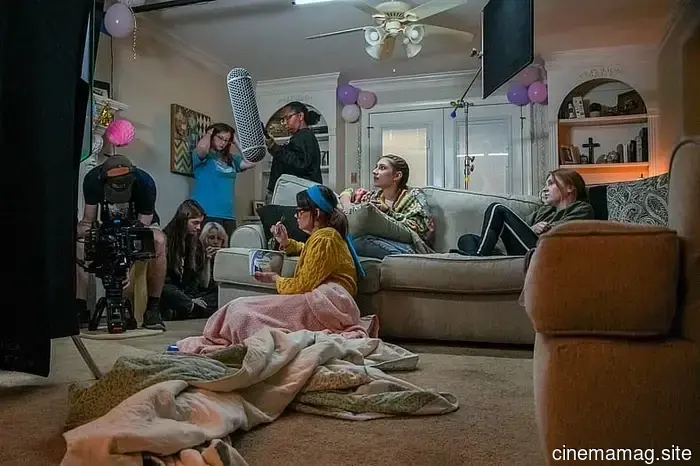
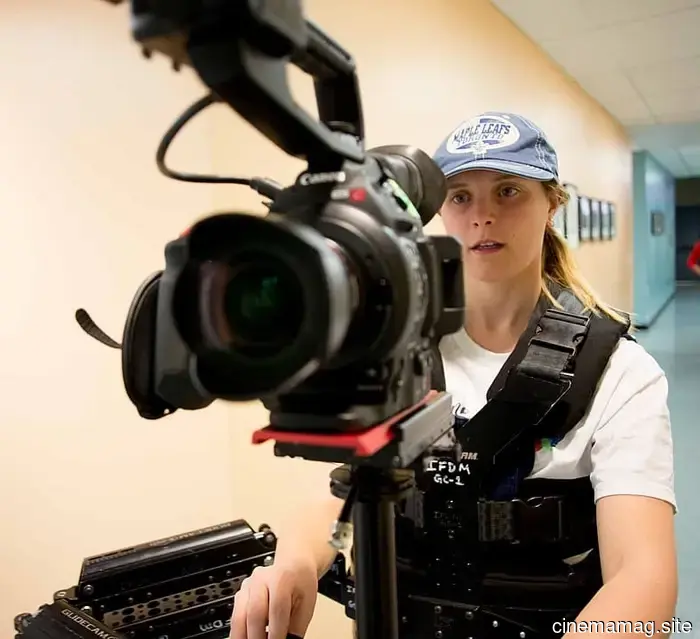
Southern Oregon University student Kazsia Connelly films the action in the SOU Digital Cinemas live soap opera production, Dead Week.
SOUTHERN OREGON UNIVERSITY
Christopher Lucas • Associate Professor and Digital Cinema Program Coordinator
How do we equip students for an unpredictable future? We inform them that the film and media landscape has always been in flux

Otros artículos
 Netflix has greenlit a spin-off of Manifest titled Arrivals.
Three years following the end of the supernatural mystery series Manifest, Netflix has commemorated 8/28 Day by revealing the spin-off Arrivals: A New Manifest Mystery. Initially pr…
Netflix has greenlit a spin-off of Manifest titled Arrivals.
Three years following the end of the supernatural mystery series Manifest, Netflix has commemorated 8/28 Day by revealing the spin-off Arrivals: A New Manifest Mystery. Initially pr…
 Netflix reveals first look photos from the World War II drama The Mosquito Bowl.
Netflix has released a series of first-look images from The Mosquito Bowl, an upcoming World War II film directed by Peter Berg (known for Lone Survivor and Mile 22), which draws inspiration from the book The Mosquito Bo...
Netflix reveals first look photos from the World War II drama The Mosquito Bowl.
Netflix has released a series of first-look images from The Mosquito Bowl, an upcoming World War II film directed by Peter Berg (known for Lone Survivor and Mile 22), which draws inspiration from the book The Mosquito Bo...
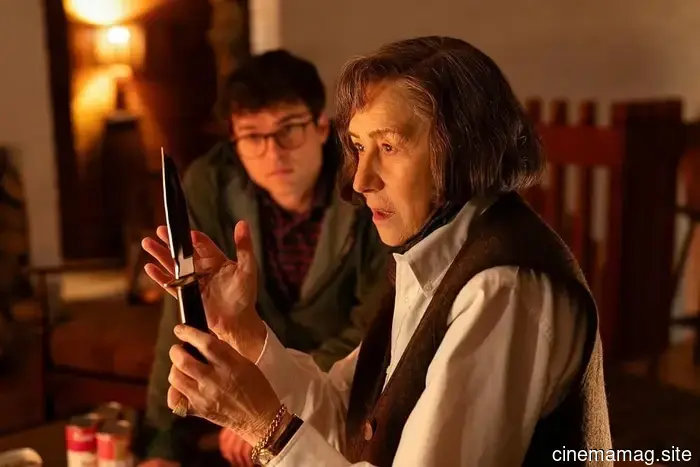 Helen Mirren portrays Patricia Highsmith in the trailer for A Talent for Murder.
Bleecker Street has released a poster and trailer for A Talent for Murder, an upcoming thriller directed by Anton Corbijn, based on Joanna Murray-Smith's 2014 novel Switzerland. Ald…
Helen Mirren portrays Patricia Highsmith in the trailer for A Talent for Murder.
Bleecker Street has released a poster and trailer for A Talent for Murder, an upcoming thriller directed by Anton Corbijn, based on Joanna Murray-Smith's 2014 novel Switzerland. Ald…
 Beyond the Credits: The Impact of Transmedia Gamification on Cinematic Universes - MovieMaker Magazine
How do studios maintain our interest during the lengthy intervals between major releases? It can take two or three years for sequels to come out, and in today's digital era,
Beyond the Credits: The Impact of Transmedia Gamification on Cinematic Universes - MovieMaker Magazine
How do studios maintain our interest during the lengthy intervals between major releases? It can take two or three years for sequels to come out, and in today's digital era,
 Hiya Toys has released a new figure from the Exquisite Basic Series featuring Godzilla from Godzilla vs. Megaguirus.
Hiya Toys has introduced the latest addition to its Godzilla Exquisite Basic Series, featuring The King of the Monsters as portrayed in the 2000 film Godzilla vs. Megaguirus. The new figure is available...
Hiya Toys has released a new figure from the Exquisite Basic Series featuring Godzilla from Godzilla vs. Megaguirus.
Hiya Toys has introduced the latest addition to its Godzilla Exquisite Basic Series, featuring The King of the Monsters as portrayed in the 2000 film Godzilla vs. Megaguirus. The new figure is available...
 Preview of the Comic Book – Legion of Super-Heroes #1
This week, DC Comics journeys into the future with the release of Legion of Super-Heroes #1, and you can check out a sneak preview of the issue in the official preview below… A thousand years…
Preview of the Comic Book – Legion of Super-Heroes #1
This week, DC Comics journeys into the future with the release of Legion of Super-Heroes #1, and you can check out a sneak preview of the issue in the official preview below… A thousand years…
Film Schools and the Future: Strategies for Anticipating the Unforeseen
A quality film school doesn’t merely aim to foresee the future; it endeavors to equip its students for any possible future.