
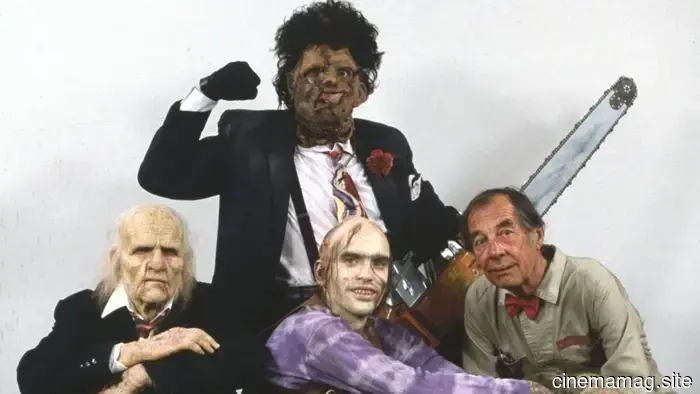
From Terror to Farce: The Texas Chainsaw Massacre 2 Turns 40
Forty years after its release, Adam Page reflects on The Texas Chainsaw Massacre 2...
I'll begin by discussing disappointment—a genuine disappointment that clings to you like a faulty transmission or an unfulfilled promise. It’s 1986. You’ve paid your ticket price and settled into the dark, filled with anticipation, because twelve years earlier, an unknown from Texas named Tobe Hooper had used a documentary-style 16mm camera and a chainsaw to profoundly alter your perception of film's impact on your psyche. The Texas Chain Saw Massacre wasn't just a movie you watched; it felt more like an experience that happened to you, akin to a car crash or that moment of realization when you find out the water you've been drinking for a week has gone bad.
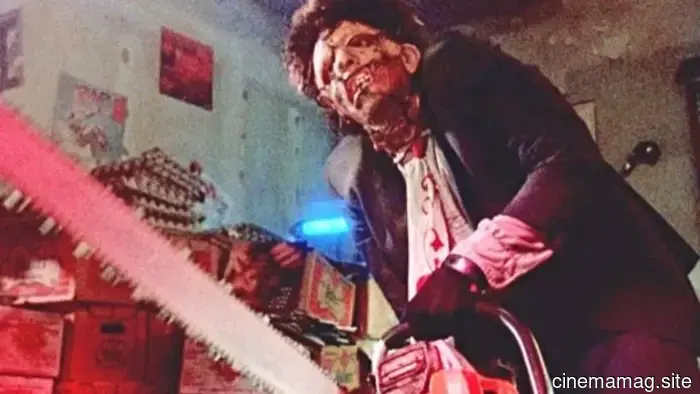
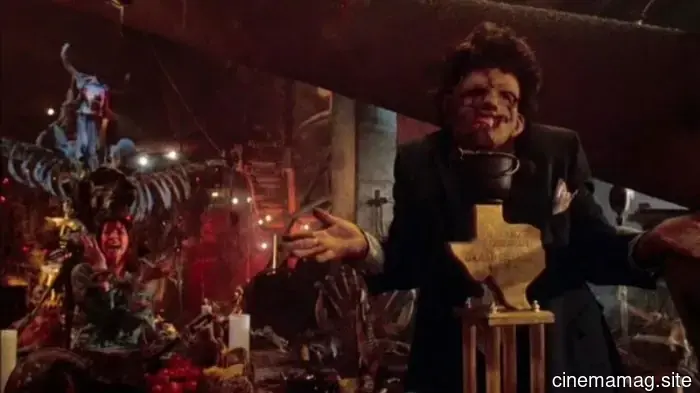
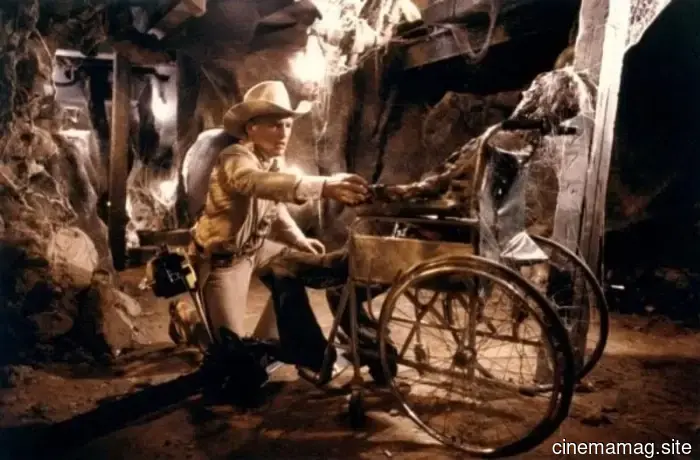
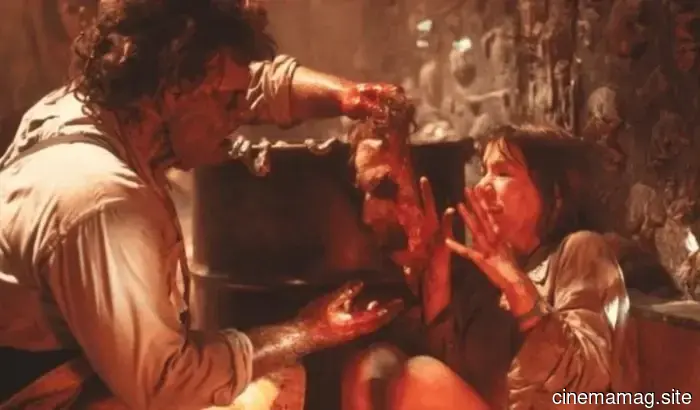
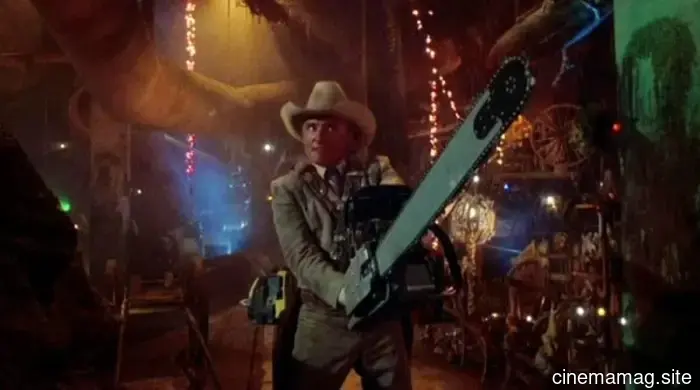
Then the sequel arrives, featuring Dennis Hopper brandishing a chainsaw like a cheerleader with a baton, Leatherface engaging in a grotesque act with a woman's leg that feels less like invasion and more like a bad night at a Texan bar, all set against a backdrop of neon lights and heaps of gore, leaving audiences bewildered, asking: what on Earth is this? This doesn’t feel like horror; it resembles a cartoon that’s been left out in the sun too long.
What nobody wanted to admit in 1986, and what I want to make clear now—with the benefit of hindsight and perhaps a strong drink—is that Hooper was fully aware of what he was doing. He wasn’t trying and failing to recreate Chain Saw Massacre; he deliberately chose not to do so, leading to one of the great, misunderstood transformations in American genre filmmaking. It was a filmmaker using a metaphorical sledgehammer (or a Poulan 5400 chainsaw at an exaggerated length) to dismantle his own legend, which had soured while the world around it had grown so grotesque that straightforward horror felt insincere.
I've previously mentioned that you can't resurrect the old band. You can pursue it, and believe me, I’ve seen many attempt to replicate a perfect experience from the past—a memorable show, a road trip, or a significant fight that felt world-altering. However, the circumstances that made those moments extraordinary are gone. The original Chain Saw Massacre was created under intensely specific conditions: Hooper and his team filmed in scorching Texas temperatures, on a shoestring budget, half-starved and potentially insane, with a backdrop of lingering Watergate disillusionment and the gas crisis, all of which infused the film’s gritty texture. Even now, the film embodies dread as a form of documentary. It doesn’t offer any lighthearted moments; there are no jokes. It features a dinner scene that, even upon revisit, makes me physically uncomfortable—Grandpa’s frail hand fumbling for a hammer, and Sally’s scream drags on so long it becomes part of the scene’s atmosphere.
You can't recreate that night. Anyone who claims they can is merely attempting to sell you something, often mediocrity garnished with nostalgia.
Hooper, bless him, didn’t even try. Twelve years is a lengthy period in a person's mind, and even longer in America’s. He had observed the evolution of the slasher genre he inadvertently helped to create, which had turned into a factory production line. Freddy, Jason, Michael Myers—an entire industrial complex of masked killers repeating the same formulaic body count in sequel after sequel, reducing the profound anxiety of the original film to a template filled with interchangeable stunt performers and a special effects team. Hooper's reflections in interviews at the time reveal a consistent disgust: the slasher film had devolved into a commodity, and a commodity deserves ridicule rather than reverence through another serious installment.
Moreover, the cultural backdrop of Reagan’s America in 1986 felt like its own kind of grotesque comedy. Greed had shifted from being a mere fault to becoming a lifestyle brand. A president, once a Hollywood cowboy, was running the country as if it were a film set, trickle-down economics marketed with the sincerity typical of late-night infomercials, while Gordon Gekko was soon to inform a generation that greed is good, alongside Wall Street brokers indulging in cocaine off business cards. Simultaneously, family farms in Texas, integral to the setting of this very narrative, were being seized by bankers donned in suits. Hooper surveyed this landscape and evidently concluded: the true monsters no longer donned human-skin masks; they wore Brooks Brothers suits.
Thus, he crafted a film where the antagonists—the Sawyer family, Leatherface’s relatives, and the original film’s silent rural horror—had gone into business. Literally. They owned a chili franchise, serial killers with a business model, merging their victims into prize-winning chili at a cook-off. The darkly humorous irony is that the townsfolk, foolishly complicit, couldn’t discern the difference between a family enterprise built on human flesh and
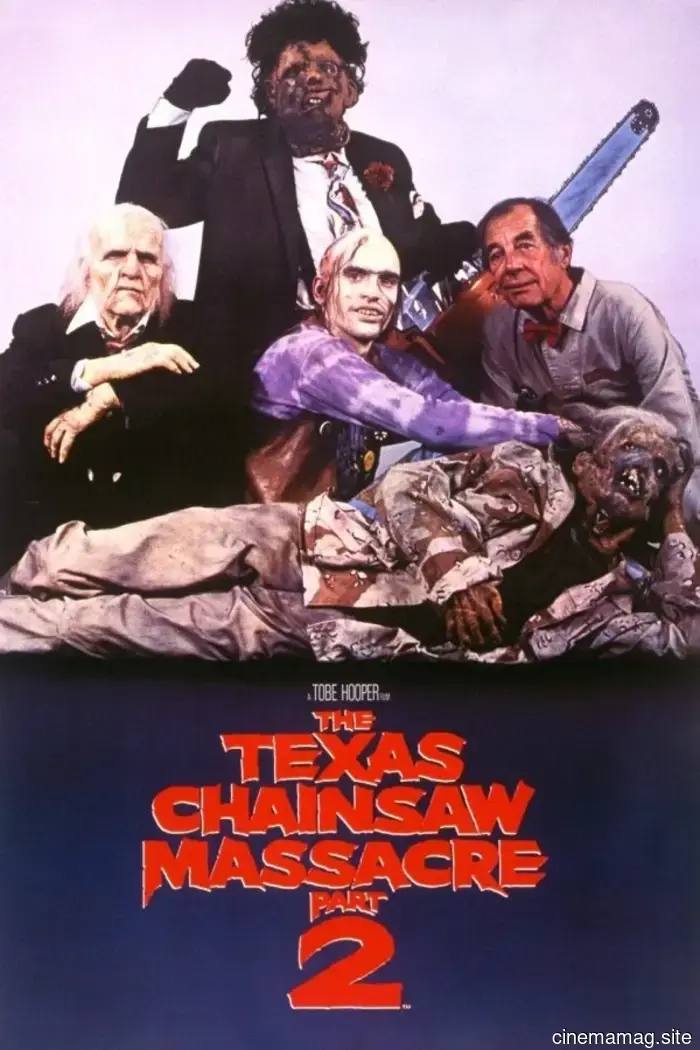
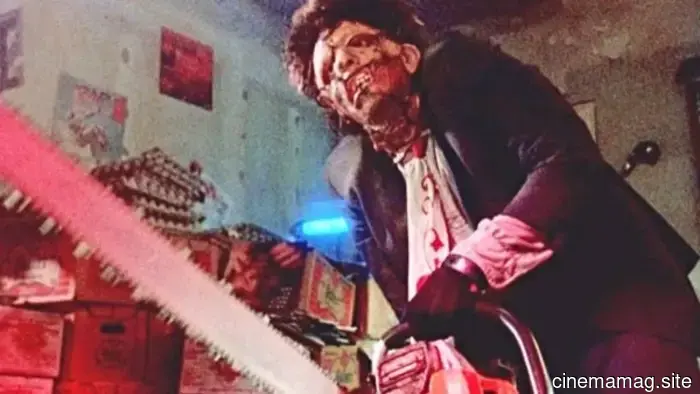
From Terror to Farce: The Texas Chainsaw Massacre 2 Turns 40
Forty years after its debut, Adam Page reflects on The Texas Chainsaw Massacre 2. I'll begin by discussing disappointment—genuine disappointment, the kind that hangs around like...