

Mistress Dispeller Review: Subtle Documentary Investigates Marital Preservation in China
Since the inception of relationships, affairs have also existed. This theme is one of the most enduring narrative elements, so universal that nearly everyone can relate to such a story. Elizabeth Lo’s Mistress Dispeller presents an intriguing idea: a Chinese service that women can hire to persuade their husbands to end their affairs, thus saving their marriages. Although the film is well-crafted, it fails to delve deeply into its fascinating concept, often missing the intense drama one might expect from such a narrative.
This might be attributed to the film’s format; Lo adopts a strictly observational style, avoiding talking heads or overt acknowledgment of the camera crew, except for a brief moment at the end. This choice results in a lack of context regarding the popularity of such agencies in China and the reasons for their potential success compared to other alternatives. What is clear is that Mr. Li does not wish to divorce, and the couple seems to be facing no significant issues; Mrs. Li’s brother describes them as being affectionate and enjoying activities like playing badminton together. They turn to Teacher Wang’s agency to help repair Mrs. Li’s marriage, and she explains some aspects of how this deception will take shape.
One can easily envision a reality TV version—or even a fictional adaptation—where one of the trio takes on the role of the villain, providing superficial satisfaction without deeper insight. Lo's greatest achievement lies in extending empathy toward all individuals involved, including the mistress, who is known as both Zhou and Fei Fei. Some of the most engaging moments in the documentary feature her conversations with Teacher Wang about her self-worth and her feelings of unworthiness for complete love, despite knowing Mr. Li will not leave his wife for her. This reflects a mature perspective on a complicated situation, though it occasionally feels subdued. While the absence of dramatic clichés is refreshing on some level, it also causes the film to feel somewhat stagnant.
The most significant challenge might ultimately be an ethical dilemma that remains unresolved. Wang’s approach is based on deception, and Lo has shared details about their filming process, which included concealing the true nature of the project from Mr. Li and Zhou, as well as testing several couples before finding a suitable one. By the conclusion, all parties were aware of the project’s intent and had consented to participate. However, this raises concerns about how much of the footage was staged. When did the subjects realize the real purpose of the documentary? What did they believe the cameras were documenting?
Due to the filmmakers’ need to respect the privacy of those involved, there is little we learn about the subjects’ personalities or backgrounds, causing them to appear somewhat enigmatic. Lo does not explore the business aspects, leaving us to ponder how Teacher Wang’s newfound visibility might impact her future service provision. Consequently, the narrative feels universal but lacks emotional depth; we don’t have a reason to care about the fate of Li’s relationship or whether Zhou will be alright. Despite the film’s intent to shed light on a unique industry and offer intimate insights, we are ultimately left with a series of polished surfaces, which is frustrating given how nearly it touches on something more profound.
Mistress Dispeller will be released in theaters on Wednesday, October 22.
Other articles
 In Hello Out There, relatives attempt to establish a connection with UFOs – or at the very least, with one another.
In Hello Out There, director Otis Blum explores the quest for connection with extraterrestrial beings and the feelings of alienation that we experience on Earth.
In Hello Out There, relatives attempt to establish a connection with UFOs – or at the very least, with one another.
In Hello Out There, director Otis Blum explores the quest for connection with extraterrestrial beings and the feelings of alienation that we experience on Earth.
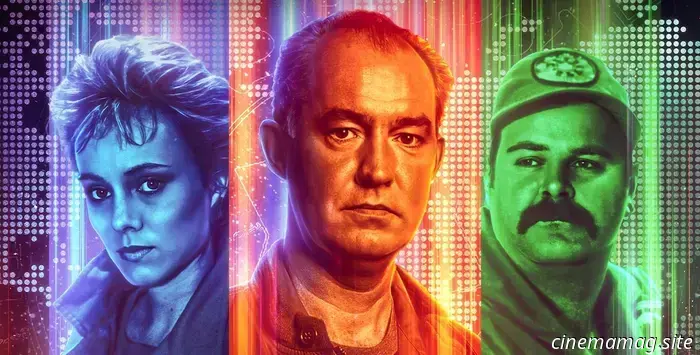 Star Cops will make a comeback with new audio adventures in 2026.
Big Finish has announced information regarding the initial three episodes of Star Cops: Conflict, a new full-cast audio drama miniseries set to premiere in January 2026. This series is inspired by Chris Boucher’s television show from 1987, Sta…
Star Cops will make a comeback with new audio adventures in 2026.
Big Finish has announced information regarding the initial three episodes of Star Cops: Conflict, a new full-cast audio drama miniseries set to premiere in January 2026. This series is inspired by Chris Boucher’s television show from 1987, Sta…
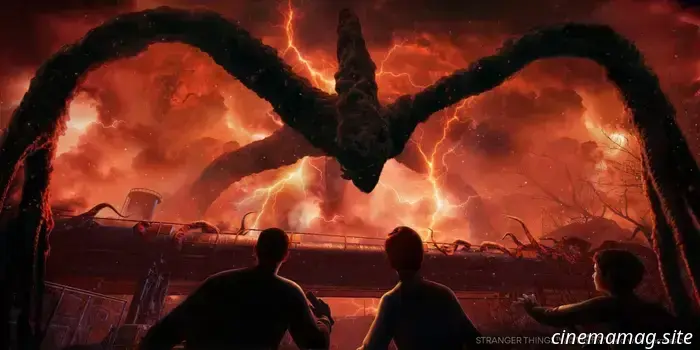 Stranger Things: Catalyst VR debuts at Sandbox VR locations.
Sandbox VR has announced today that the much-awaited fully immersive VR game Stranger Things: Catalyst is now available at Sandbox VR venues around the globe. This game was created in partnership with Netflix…
Stranger Things: Catalyst VR debuts at Sandbox VR locations.
Sandbox VR has announced today that the much-awaited fully immersive VR game Stranger Things: Catalyst is now available at Sandbox VR venues around the globe. This game was created in partnership with Netflix…
 Dynamite Entertainment will be releasing ThunderCats: Lost #7 this Wednesday, and you can view the official preview of the issue below…
In this installment: With the Berserkers now behind them, the Lost Team approaches the equator of the planet, only to find their route to safety obstructed. Biomechanical sentinels from past conflicts between the Southern and Northern hemispheres continue to patrol the demilitarized zone, halting the remaining Thunderan soldiers — and allowing Scorpius and his group of lethal mercenaries the opportunity to close in on their targets!
Ranking officers ED BRISSON and RAPHA LOBOSCO unveil new orders in ThunderCats: Lost #7 — featuring newly declassified covers by DECLAN SHALVEY, ELLERY SANTOS, MEGHAN HETRICK, MARCO FAILLA, and SATOSHI SHIKI!
ThunderCats: Lost #7 will be available on Wednesday, October 22nd, 2025.
About Gary Collinson: Gary Collinson is a producer and writer in the realms of film, TV, and digital content. He is the founder of the pop culture website Flickering Myth and has produced the gothic horror film 'The Baby in the Basket' as well as the upcoming thriller 'Death Among the Pines'.
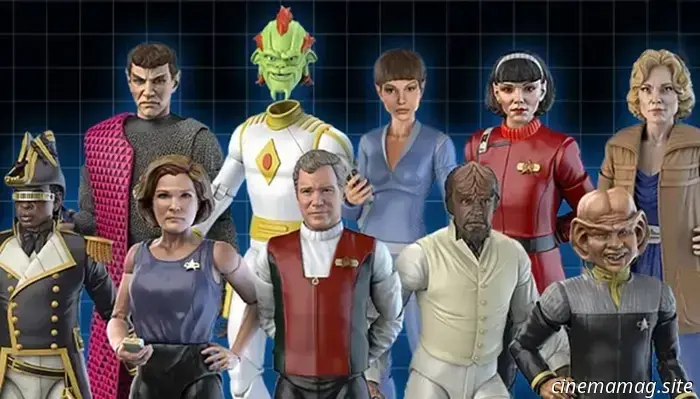
The Nacelle Company has officially started taking pre-orders for Wave 2 of its latest Star Trek action figure series, featuring a diverse selection of characters from throughout the franchise, including figures from…
Dynamite Entertainment will be releasing ThunderCats: Lost #7 this Wednesday, and you can view the official preview of the issue below…
In this installment: With the Berserkers now behind them, the Lost Team approaches the equator of the planet, only to find their route to safety obstructed. Biomechanical sentinels from past conflicts between the Southern and Northern hemispheres continue to patrol the demilitarized zone, halting the remaining Thunderan soldiers — and allowing Scorpius and his group of lethal mercenaries the opportunity to close in on their targets!
Ranking officers ED BRISSON and RAPHA LOBOSCO unveil new orders in ThunderCats: Lost #7 — featuring newly declassified covers by DECLAN SHALVEY, ELLERY SANTOS, MEGHAN HETRICK, MARCO FAILLA, and SATOSHI SHIKI!
ThunderCats: Lost #7 will be available on Wednesday, October 22nd, 2025.
About Gary Collinson: Gary Collinson is a producer and writer in the realms of film, TV, and digital content. He is the founder of the pop culture website Flickering Myth and has produced the gothic horror film 'The Baby in the Basket' as well as the upcoming thriller 'Death Among the Pines'.
The Nacelle Company has officially started taking pre-orders for Wave 2 of its latest Star Trek action figure series, featuring a diverse selection of characters from throughout the franchise, including figures from…
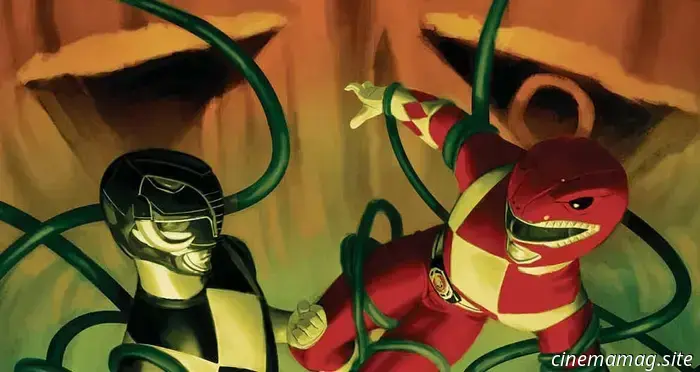 Comic Book Sneak Peek – Mighty Morphin Power Rangers Halloween Special #1
Boom! Studios is set to release Mighty Morphin Power Rangers Halloween Special #1 this Wednesday, and you can check out the official preview below... The most thrilling confrontation in Angel Grove's history is hap...
Comic Book Sneak Peek – Mighty Morphin Power Rangers Halloween Special #1
Boom! Studios is set to release Mighty Morphin Power Rangers Halloween Special #1 this Wednesday, and you can check out the official preview below... The most thrilling confrontation in Angel Grove's history is hap...
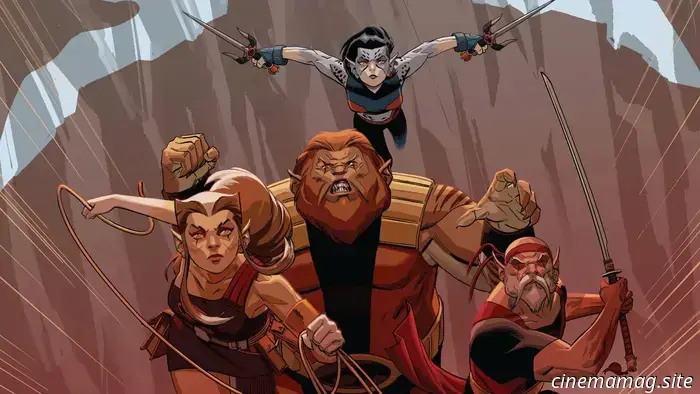 Comic Book Sneak Peek – ThunderCats: Lost #7
Dynamite Entertainment is set to release ThunderCats: Lost #7 this Wednesday, and you can view the official preview of the issue below… In this installment: Having left the Berserkers behind, the Lost Team…
Comic Book Sneak Peek – ThunderCats: Lost #7
Dynamite Entertainment is set to release ThunderCats: Lost #7 this Wednesday, and you can view the official preview of the issue below… In this installment: Having left the Berserkers behind, the Lost Team…
Mistress Dispeller Review: Subtle Documentary Investigates Marital Preservation in China
Throughout the history of relationships, affairs have also existed. This theme is among the most enduring narrative elements, so widespread that nearly anyone can relate to it. To this end, Elizabeth Lo’s Mistress Dispeller presents a fascinating idea: a Chinese service that women can employ.