
Antoine Fuqua Brings to Light Nelson Mandela's 27 Lost Years in Troublemaker
For 27 years, the white apartheid government in South Africa attempted to isolate Nelson Mandela from the outside world, detaining him as a political prisoner, primarily in the infamous Robben Island. The new documentary by Antoine Fuqua, Troublemaker, which premieres today at Sundance, reveals how Mandela spent those years planning to rescue his nation.
Troublemaker traces Mandela's life from his birth in 1918, when he was named Rolihlahla, meaning "troublemaker." He faced a challenging childhood but eventually became a lawyer, only to confront the oppressive fear of the white minority.
When he assisted fellow resistance members advocating for violent action against colonizers, he became a target. The apartheid regime made an example of him and others, imposing lengthy prison sentences, forced labor, and social isolation.
However, Mandela was not forgotten by the world: Artists, activists, students, and politicians rallied for his release. In the mid-1980s, during a particularly bleak time, The Specials performed “free Nelson Mandela.” Glasgow, Scotland, also demonstrated resistance by renaming the street with the South African consulate “Nelson Mandela Place” in 1986, ensuring the practitioners of apartheid were reminded of the man they attempted to silence each time they received their mail. (This story is included in another remarkable new Sundance documentary, Everybody to Kenmure Street.)
Ultimately, as shown in Troublemaker, persistent student protests forced the South African government to concede and release Mandela in 1990.
Instead of seeking revenge, Nelson Mandela pursued peace.
In 1994, Mandela was elected president of South Africa and oversaw the establishment of a Truth and Reconciliation Commission aimed at uncovering government atrocities committed against South African whites while also focused on healing and rebuilding.
Troublemaker is informed by audio recordings of Mandela made while he was composing his memoir, Long Walk to Freedom.
While listening to these recordings, Fuqua, known for action-packed films with depth like Training Day and the Equalizer trilogy, realized that Mandela was not merely a symbol of bravery, but also a flawed individual.
“I listened to about 70 hours of recordings,” Fuqua shared in an interview with MovieMaker, which you can view here or above. “The tapes made him more relatable to me.”
Fuqua was particularly impressed by Mandela's patience and insight upon his release.
“I could never imagine coming out so positive and filled with love after enduring all that,” Fuqua remarked.
The film also highlights that Mandela did not always advocate for non-violence. In the 1960s, he accepted that violence might be necessary to counter the aggression faced by his people.
“It’s clear that he didn’t become an iconic figure or leader by evading conflict. In fact, he faced it head-on and was willing to engage actively,” Fuqua stated. “But ultimately, the wiser choice was peace, communication, and finding alternative paths.”
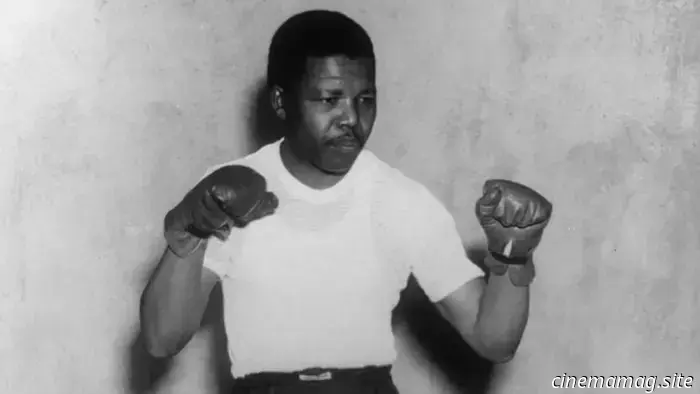
Fuqua was also surprised to learn that Mandela was a boxer. One of Fuqua's other heroes is Muhammad Ali, and he recalls entering a restaurant and mistaking a picture he thought was Ali for one of Mandela.
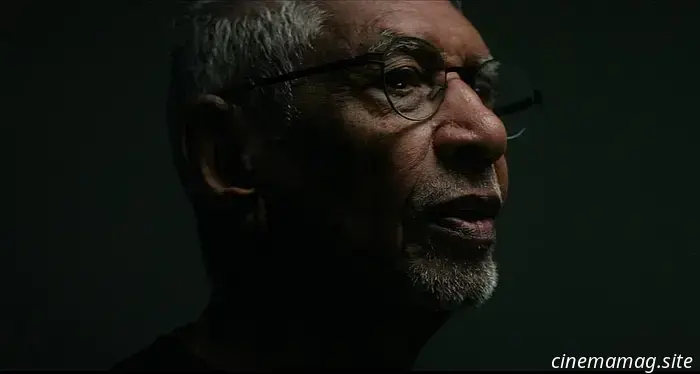
Anti-apartheid activist Mac Maharaj. Maz Makhani / Troublemaker
At times, Troublemaker feels like a heist film, and at other moments resembles a courtroom thriller as Nelson Mandela and his allies strive to shame the apartheid government into treating people fairly.
When the narrative shifts to Robben Island, Troublemaker captures the conspiratorial atmosphere of a prison movie. However, rather than planning an escape, Mandela and his fellow prisoners developed their ideology and strategized for equality and justice.
The film gains valuable insight from Indian anti-apartheid activist Mac Maharaj, who was imprisoned alongside Mandela and recounts harrowing experiences of executions, beatings, and unending efforts to break the prisoners’ spirits.
Nelson Mandela passed away in 2013 at the age of 95. However, Fuqua hopes to see more individuals like Mandela rise. He aspires for his film to tell a story that will inspire future leaders.
“I believe that we as human beings possess the capacity — you, me — and we may not know how we will react until we are under pressure. But I firmly believe there are remarkable individuals in the world capable of driving significant change. I truly do.”
Troublemaker is being shown throughout the Sundance Film Festival. You can find more of our Sundance 2026 coverage here.
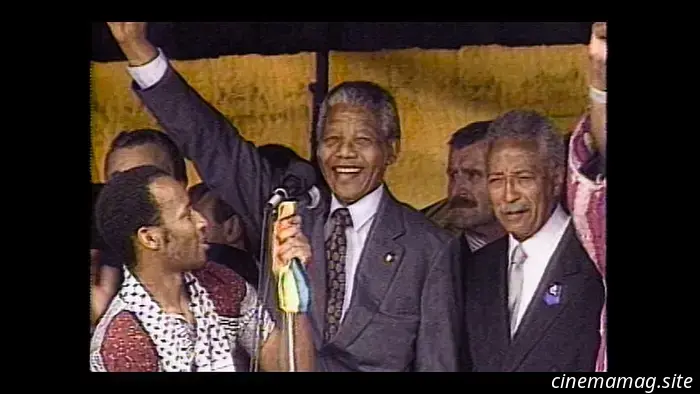
Main image: Nelson Mandela appears in Troublemaker by Antoine Fuqua. Courtesy of Sundance Institute.
Other articles
 Producer Bennett Graebner Discusses the Influencer Pipeline Issue in Reality TV - MovieMaker Magazine
Veteran Bachelor producer Bennett Graebner discusses how the aspirations for social media influence contestant behavior and compromise authenticity in reality television.
Producer Bennett Graebner Discusses the Influencer Pipeline Issue in Reality TV - MovieMaker Magazine
Veteran Bachelor producer Bennett Graebner discusses how the aspirations for social media influence contestant behavior and compromise authenticity in reality television.
 An Exclusive Look at the Newest Street Fighter Film - MovieMaker Magazine
While many of us know the exceptionally popular Street Fighter arcade game, the origins of this franchise can be traced back to 1987. Since
An Exclusive Look at the Newest Street Fighter Film - MovieMaker Magazine
While many of us know the exceptionally popular Street Fighter arcade game, the origins of this franchise can be traced back to 1987. Since
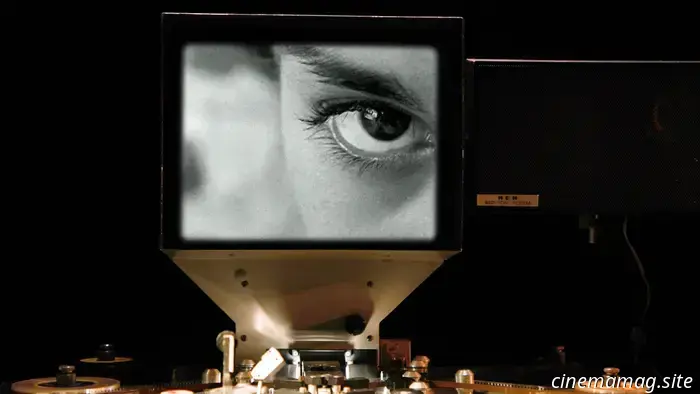 In Vivien's Wild Ride, a filmmaker loses her eyesight but retains her vision.
While the concept of Vivien's Wild Ride is especially enticing for those in the film industry—likely due to its resemblance to a nightmare situation—the reward
In Vivien's Wild Ride, a filmmaker loses her eyesight but retains her vision.
While the concept of Vivien's Wild Ride is especially enticing for those in the film industry—likely due to its resemblance to a nightmare situation—the reward
 13 Awesome Movies from the 2000s That Only the Cool Kids Recall
Here are some 2000s films that only the cool kids recall, ranging from Aquamarine to Not Another Teen Movie.
13 Awesome Movies from the 2000s That Only the Cool Kids Recall
Here are some 2000s films that only the cool kids recall, ranging from Aquamarine to Not Another Teen Movie.
.jpg) Film Review – Witchboard (2024)
Witchboard, 2024. Directed by Chuck Russell. Featuring Madison Iseman, Aaron Dominguez, Melanie Jarnson, Jamie Campbell Bower, Antonia Desplat, and David La Haye. SYNOPSIS: A young woman grows increasingly obsessed…
Film Review – Witchboard (2024)
Witchboard, 2024. Directed by Chuck Russell. Featuring Madison Iseman, Aaron Dominguez, Melanie Jarnson, Jamie Campbell Bower, Antonia Desplat, and David La Haye. SYNOPSIS: A young woman grows increasingly obsessed…
 Comic Book Sneak Peek – Teenage Mutant Ninja Turtles x Godzilla #3
IDW Publishing will issue Teenage Mutant Ninja Turtles x Godzilla #3 on Wednesday, and we have the official preview of this issue available for you; check it out… A long time ago, the Foot Clan was established…
Comic Book Sneak Peek – Teenage Mutant Ninja Turtles x Godzilla #3
IDW Publishing will issue Teenage Mutant Ninja Turtles x Godzilla #3 on Wednesday, and we have the official preview of this issue available for you; check it out… A long time ago, the Foot Clan was established…
Antoine Fuqua Brings to Light Nelson Mandela's 27 Lost Years in Troublemaker
For 27 years, the white apartheid regime in South Africa sought to separate Nelson Mandela from the outside world, detaining him as a political prisoner — mainly in the