
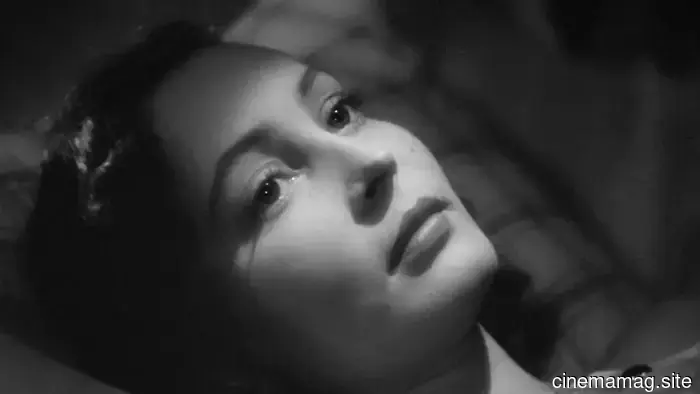
10 Years of Nitrate Picture Show: An Enthralling Encounter with the Essence of Cinema
In its 10th iteration, the Nitrate Picture Show—held at the George Eastman Museum in Rochester, New York—has become the nearest thing to a pilgrimage for American film enthusiasts. Every year, it seems that a significant portion of New York’s film community travels upstate out of pure passion for the art form to experience the festival's selection of rare prints. The lineup is revealed only on the morning of the first screening, often making the films themselves secondary to the festival’s focal point: nitrate film. This highly flammable material, which has been out of production for decades, served as the primary film base for the first five or so decades of cinema. The George Eastman Museum is one of just five venues in the U.S. still screening it.
Most audiences might recall it as the material that caused havoc in films like Inglourious Basterds (2009) or caused an explosion in Alfred Hitchcock’s Sabotage (1936). For film archivists, nitrate holds a significant yet somber place in cinema history, being responsible for countless vault fires that have resulted in the loss of numerous films. For enthusiasts, it is esteemed mainly for its rich visual qualities. With a greater concentration of silver than acetate or polyester film, nitrate produces a sheen that cannot be replicated in any other form. Watching a film on nitrate allows one to witness classical cinema in all its magnificent detail; every glimmer in the eyes of stars like Greta Garbo or droplets of sweat on divas like Anna Magnani, the opulent fabrics of Gloria Swanson’s gowns against Cecil B. DeMille’s grandeur, James Wong Howe’s exquisite lighting with Technicolor, or the ethereal beauty of moonlight shimmering on water.
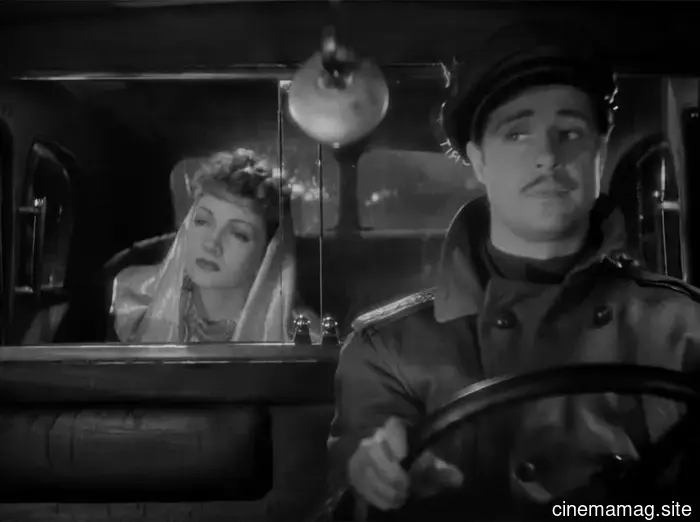
This year’s standout feature was Mitchell Leisen’s Midnight (1939), celebrated for its sheer opulence and grace. The film encapsulates the effortless romance and playful class commentary typical of classic Hollywood, showcasing performances and dialogue filled with a whimsical yet sophisticated humor that only the best screwball comedies can offer. With a title that alludes to the Cinderella tale, it follows Claudette Colbert’s Eve Peabody as she cunningly navigates her way into Parisian high society through a pawn ticket and a cuckolded aristocrat, Flammarion (John Barrymore), who seeks revenge on his snobby wife (Mary Astor). Crafted by Billy Wilder and Charles Brackett, the film is an endlessly clever repertoire of comedic scenarios, guiding Peabody and her mischievous cab-driving admirer, Tibor Czerny (Don Ameche), through a series of extravagant parties, each more lavish and absurd than the last. Stunning moments, such as a grand conga line at the Flammarion mansion featuring a train of dancers stretching dozens long, are executed so smoothly and gracefully that they almost feel like effortless embellishments—just another bubble in a glass of exquisite champagne.
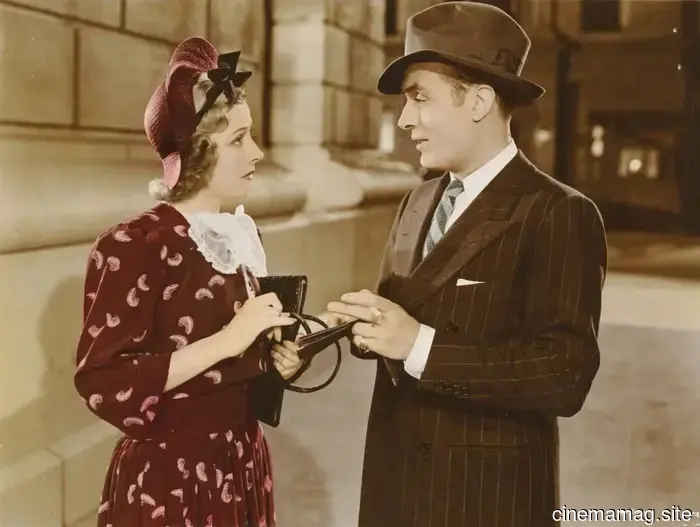
Another classic Hollywood film that left a lasting impression was John Stahl’s subtle melodrama When Tomorrow Comes (1939). Loosely adapted from James M. Cain’s novel Serenade, it begins with a charming encounter when busy waitress Helen (Irene Dunne) suspects Phillippe (Charles Boyer) is spying on union activities at her restaurant. He follows her to a union meeting; she tracks him across the city and ultimately to his Long Island estate, where they encounter love as well as a hurricane. Largely shot in wide frames and marked by lengthy pauses during seemingly ordinary dialogue, the film carries a contemporary, almost atonal feel. Moving between unexpected scenes, it portrays profound moments of love and loss with remarkable subtlety and minimal scoring, focusing instead on the complexities of longing.
The festival's most impactful moment came from one of its shortest films. Among the Nitrate shorts was a straightforward, three-minute piece titled Footage of the Bombing of Nagasaki, attributed to the U.S. Government. Filmed with a 16mm camera through the rear window of The Great Artiste, one of the planes that participated in the nuclear bombing of Nagasaki, it was a striking sight on the big screen, projected from a print originally held by Manhattan Project scientists. Silent and featuring only the mushroom cloud, it possesses a haunting sublimity, an aesthetic of stark beauty intimately connected with a profound sense of morbidity. The sheer scale is almost incomprehensible, and regardless of one's preparations, it's hard to avoid being rendered speechless.
The festival's mission to explore archives and showcase treasures from the initial decades of film history encourages a certain detachment, akin to that of a historian. It's designed to keep us aware of the past while deepening our understanding of the essence of the medium. The moral implications of the films feel less significant than fostering a historical consciousness that prompts us to engage actively with such artifacts. In many respects, the crux of cinema may lie in this tragic, magnificent act of technological destruction, a notion often overlooked in
Other articles
 The 13 Most Bizarre Films We've Ever Watched
Here are 13 of the most bizarre films we've ever encountered.
The 13 Most Bizarre Films We've Ever Watched
Here are 13 of the most bizarre films we've ever encountered.
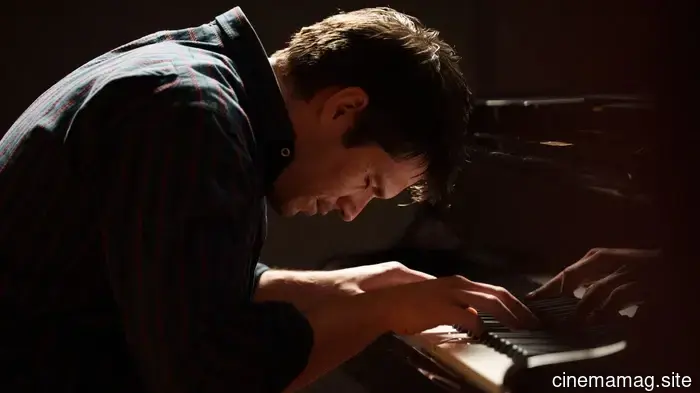 New to Streaming: Two Pianos, The Last One for the Road, Pressure, The Wizard of the Kremlin, and More
Every week, we showcase the significant titles that have recently been available on streaming services in the United States. Take a look at this week's picks below, as well as previous compilations here. André Is an Idiot (Tony Benna) There is a raw honesty to André Is an Idiot that is commendable, even if not everything resonates perfectly. It addresses a straightforward and stark topic for a
New to Streaming: Two Pianos, The Last One for the Road, Pressure, The Wizard of the Kremlin, and More
Every week, we showcase the significant titles that have recently been available on streaming services in the United States. Take a look at this week's picks below, as well as previous compilations here. André Is an Idiot (Tony Benna) There is a raw honesty to André Is an Idiot that is commendable, even if not everything resonates perfectly. It addresses a straightforward and stark topic for a
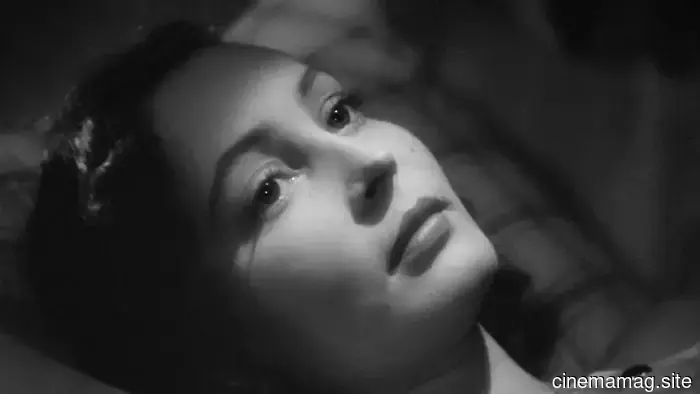 A Decade of Nitrate Picture Show: A Spiritual Journey into the Essence of Cinema
In its 10th edition, the Nitrate Picture Show—taking place at the George Eastman Museum in Rochester, New York—has turned into a sort of pilgrimage for American cinephiles. Each year, it seems like a significant portion of New York’s film community travels upstate, driven by their passion for the art form, to view the select few rare prints showcased.
A Decade of Nitrate Picture Show: A Spiritual Journey into the Essence of Cinema
In its 10th edition, the Nitrate Picture Show—taking place at the George Eastman Museum in Rochester, New York—has turned into a sort of pilgrimage for American cinephiles. Each year, it seems like a significant portion of New York’s film community travels upstate, driven by their passion for the art form, to view the select few rare prints showcased.
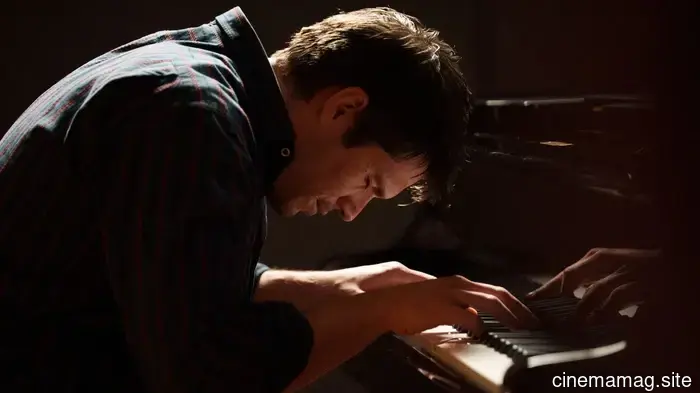 Just Released for Streaming: Two Pianos, The Last One for the Road, Pressure, The Wizard of the Kremlin, and More
Every week, we feature notable titles that have recently been released on streaming platforms in the United States. Take a look at this week’s picks below and find previous collections here. André Is an Idiot (Tony Benna) There is a refreshing sincerity in André Is an Idiot that is commendable, even if not everything succeeds. It presents a straightforward, stark topic for a
Just Released for Streaming: Two Pianos, The Last One for the Road, Pressure, The Wizard of the Kremlin, and More
Every week, we feature notable titles that have recently been released on streaming platforms in the United States. Take a look at this week’s picks below and find previous collections here. André Is an Idiot (Tony Benna) There is a refreshing sincerity in André Is an Idiot that is commendable, even if not everything succeeds. It presents a straightforward, stark topic for a
 Fast Payout Casinos Australia: Best 5 Sites for 2026 - MovieMaker Magazine
Australian players are increasingly seeking quicker access to their winnings instead of waiting several days for withdrawal processing. Consequently, rapid
Fast Payout Casinos Australia: Best 5 Sites for 2026 - MovieMaker Magazine
Australian players are increasingly seeking quicker access to their winnings instead of waiting several days for withdrawal processing. Consequently, rapid
 Quick Payout Casinos in Australia: Best 5 Platforms for 2026 - MovieMaker Magazine
Australian players are increasingly seeking quicker access to their winnings instead of having to wait several days for their withdrawals to be processed. Consequently, fast
Quick Payout Casinos in Australia: Best 5 Platforms for 2026 - MovieMaker Magazine
Australian players are increasingly seeking quicker access to their winnings instead of having to wait several days for their withdrawals to be processed. Consequently, fast
10 Years of Nitrate Picture Show: An Enthralling Encounter with the Essence of Cinema
Currently in its 10th edition, the Nitrate Picture Show—taking place at the George Eastman Museum in Rochester, New York—has become the nearest thing to a pilgrimage for American film enthusiasts. Each year, it seems that a significant portion of New York’s film community travels upstate, united by their passion for the art form, to experience the dozen or so rare prints on display.