
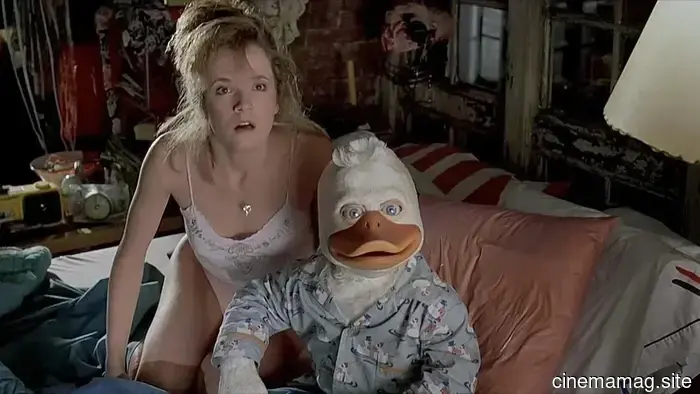
Howard the Duck at 40: The Impact of a Film Marvel Gone Wrong
Dan Carville reflects on Howard the Duck as it celebrates its 40th anniversary…
If you were to ask anyone to name some of the most significant critical and commercial failures in Hollywood, Howard the Duck would likely be mentioned. It frequently appears on lists of the worst Marvel films, the worst superhero movies, and even the worst films ever made – it's certainly not regarded as a cherished classic.
Yet, over the past 40 years since its debut, the film has garnered a following of fans, ironic viewers, and a few staunch supporters. As the first major Marvel theatrical endeavor—if you exclude the prior year’s Red Sonja or the 1944 Captain America serial—it carries significant weight. However, much like those other examples, Howard the Duck stretches its ties to the comics to their limits.
This raises the complex question: does the infamous cinematic failure Howard the Duck truly deserve its negative reputation? How has it evolved over the last four decades? And how has it influenced broader views of the character in various media? As Howard the Duck reaches its 40th milestone, we are revisiting the origins of the character, dating back to 1973…
Strange Beginnings
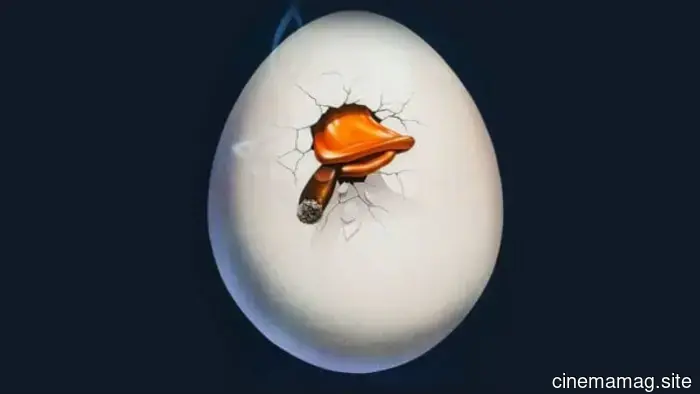
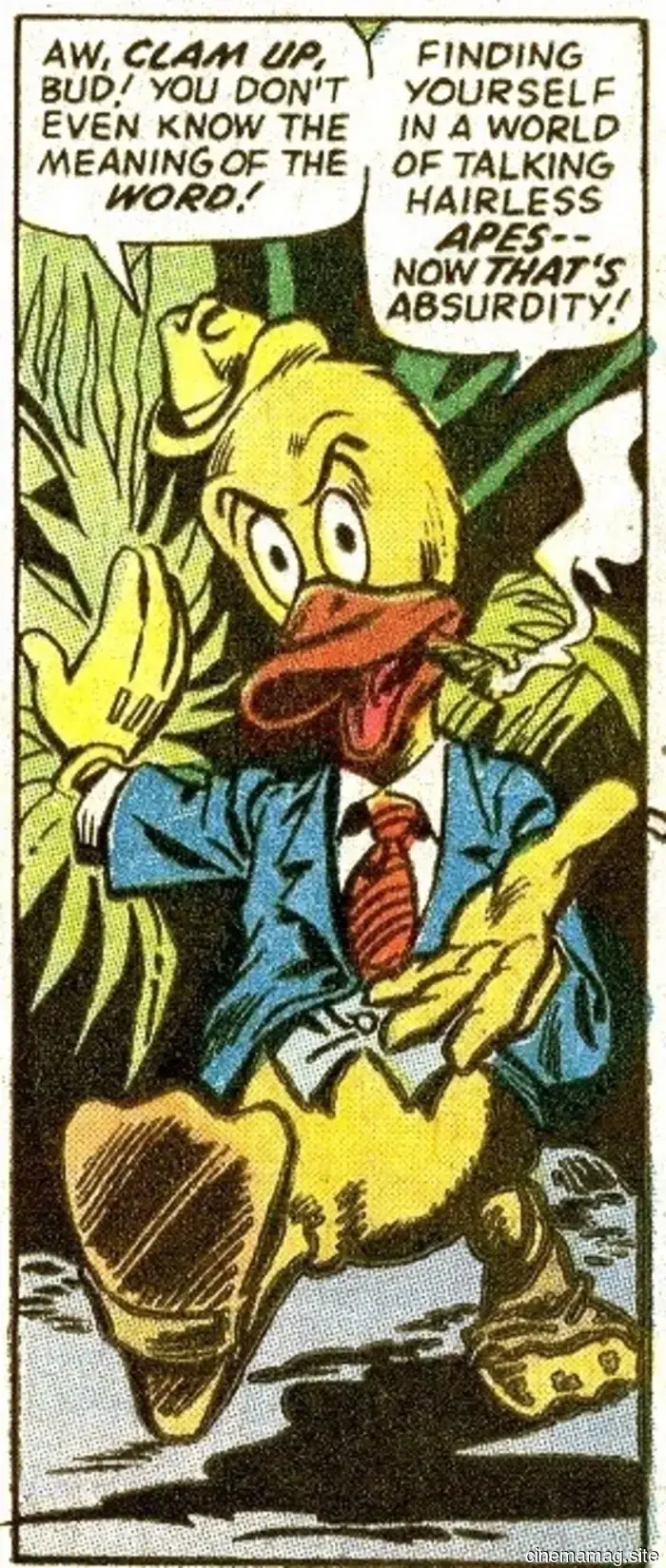
Similar to many offbeat characters, Howard’s initial appearance occurred within another narrative – in Adventure into Fear #19 in 1973, crafted by Steve Gerber, with illustrations by Val Mayerik. In this issue, Howard is taken from his world of anthropomorphic animals (not confined to ducks) and thrown into the chaos of Man-Thing’s fight against Thog the Nether-Spawn, who disrupts the cosmic balance.
This witty bird out of its element was popular enough to inspire a couple of solo stories in 1975, featured in the back of Giant-Size Man Thing (I know) #4 and #5. These tales, again by Gerber and illustrated by Frank Brunner, follow Howard as he navigates a space between different worlds, ultimately landing in Cleveland, Ohio. From this point, he strives to adapt to life on Earth, contending with adversaries like Garko the Man-Frog and Bessie the HellCow.
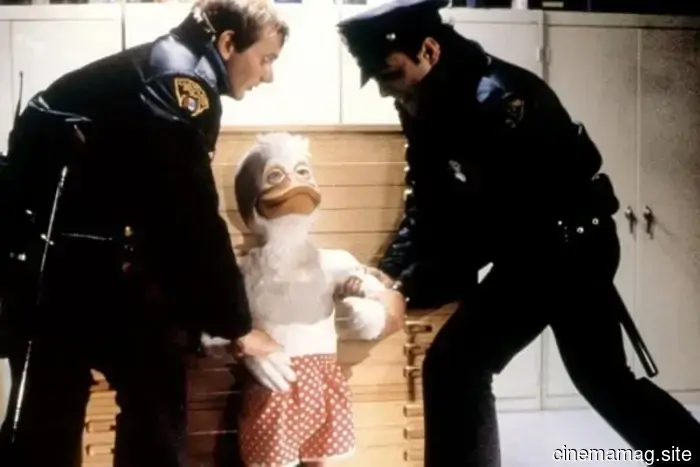
These narratives, which include several pivotal moments that later appeared in the film – Howard’s interstellar travels, his duck dollar bill, and his strip-search by police who mistake him for a man in a duck suit – established the groundwork for the ongoing series that Gerber wrote from 1976-’78, catching the attention of George Lucas…
Howard's Path to the Big Screen
After their collaboration on American Graffiti (1973), Lucas proposed to his old university friends Gloria Katz and Willard Huyck the idea of creating a film based on Gerber’s Howard series, believing the absurd humor and noir style would translate well to cinema. Although Huyck and Katz were initially hesitant, the project developed into a vision – an adventure featuring Howard in Hawaii, where his presence among humans remained unexplained.
At the behest of Hollywood producers, this concept was reworked into a narrative more aligned with the comics, detailing Howard’s intergalactic expulsion to Cleveland and his quest to return to his own kind.
Here’s where the chronology becomes a bit convoluted – the word is that the film was first intended to be animated, but Universal insisted on a live-action format. However, Huyck asserts that the initial Hawaii idea emerged because he and Katz “thought it’d be fun to shoot there,” suggesting they had considered a live-action film from the start.
Conflicting Accounts
The reasoning behind the shift to live-action is contentious as well – Katz claims Universal desired a summer release in ’86, and that animation would take too long, resulting in Lucas proposing a live-action project with practical effects. However, this could have been a more cynical decision on his part, as it’s rumored that his contract with Universal required him to deliver a live-action film within that year.
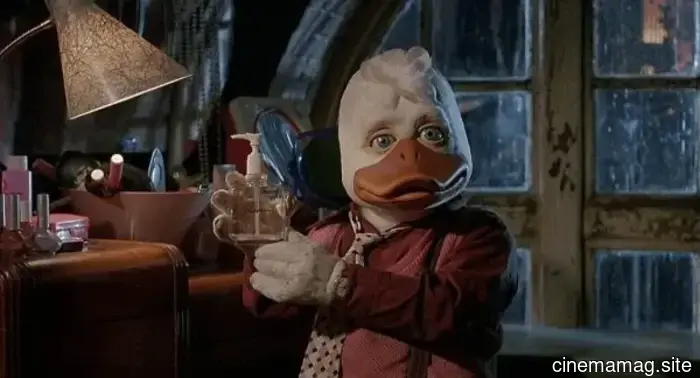
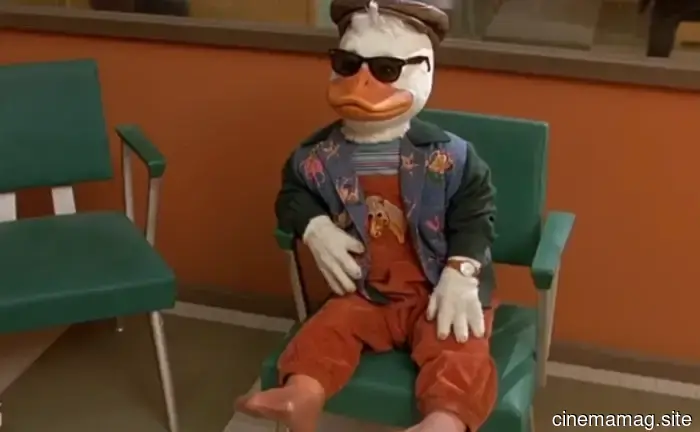
Additionally, legal threats from Disney to Marvel in 1977 over Howard’s similarity to Donald Duck necessitated a visual redesign of the character – his large eyes were reduced, his narrow bill widened, his off-white feathers turned yellow, and his blue jacket and no pants replaced with a full red-and-brown suit. Given that the filmmakers already had to collaborate closely with Disney to avoid too much resemblance to Donald, it's conceivable that an animated option could have encountered complications.
There wasn’t a single explanation, but various factors contributed to the decision to bring Howard to life using suits, puppets, and animatronics.
A Difficult Production
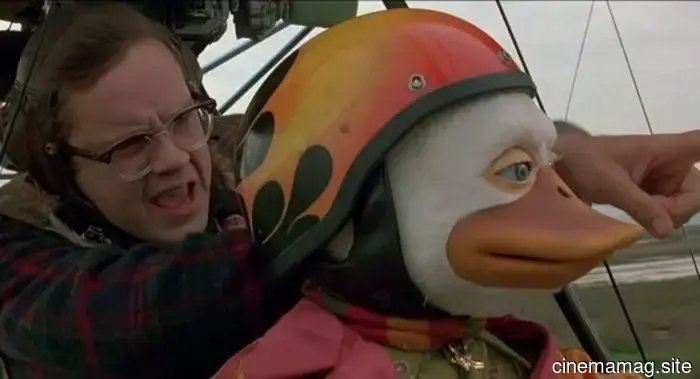
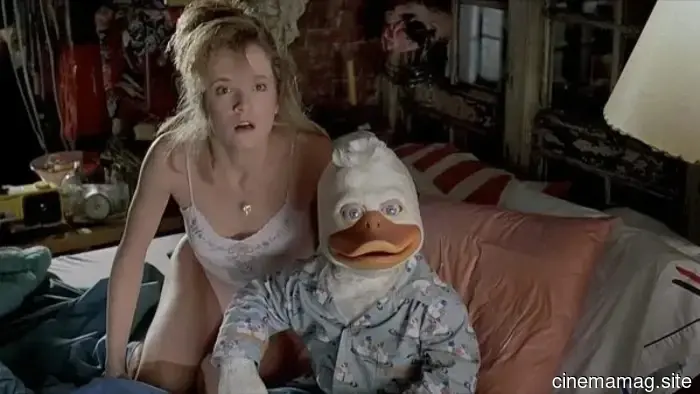
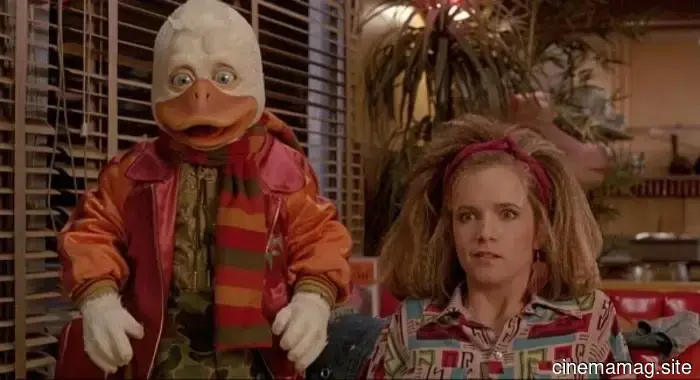
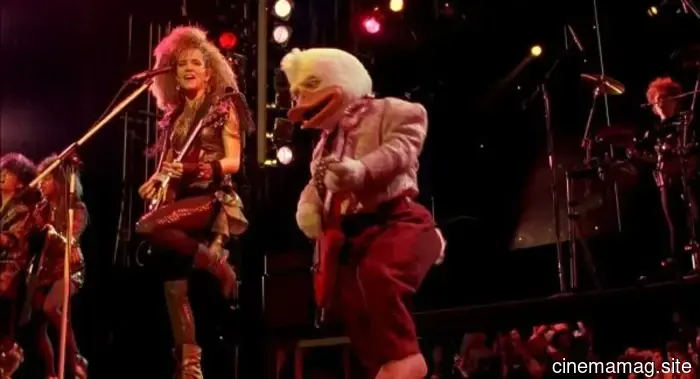
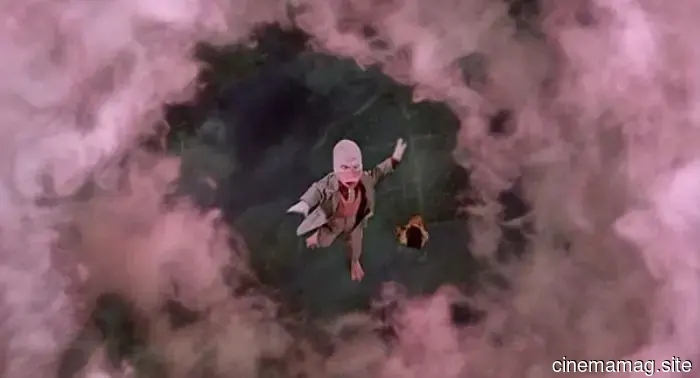
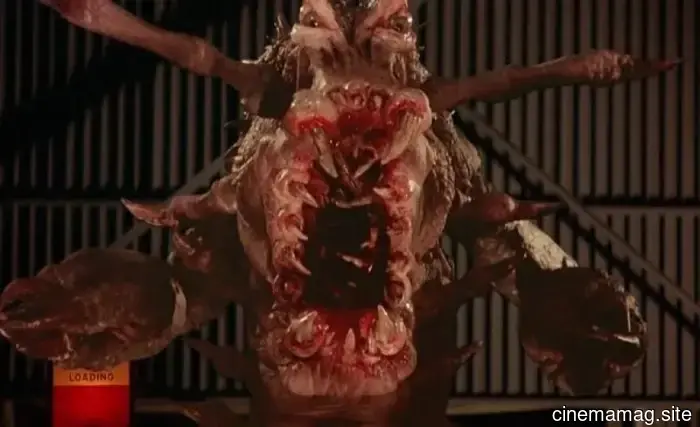
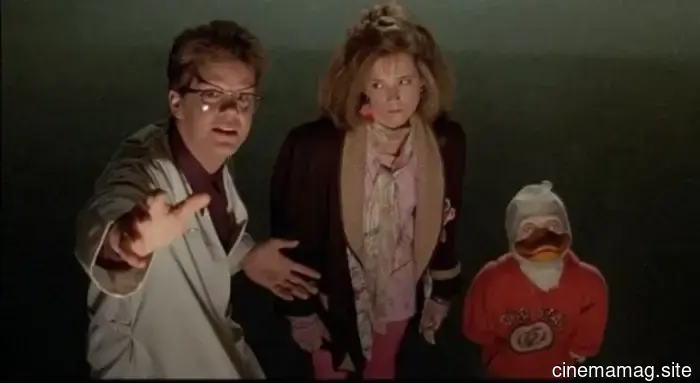
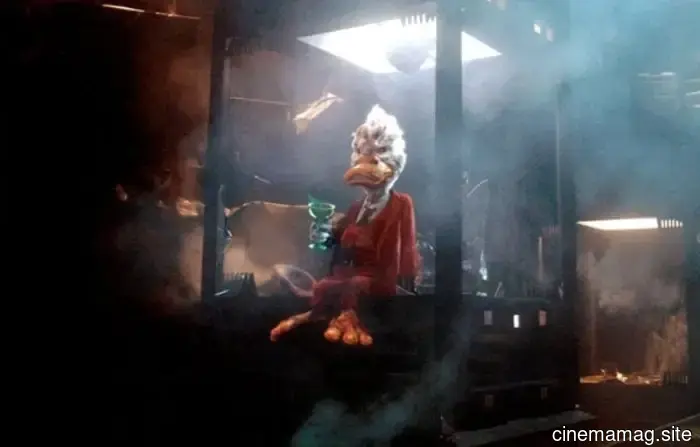
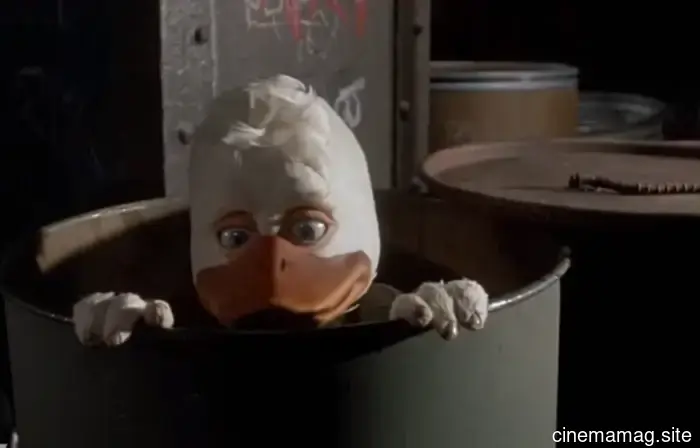
Like many effects-heavy projects from the pre-CGI era, the making of Howard the Duck faced numerous challenges. Huyck has expressed regret that the technology of the time was not more advanced, as the Howard suits suffered from feather loss, disintegration, and even igniting.
Initially, a hand-puppet was utilized for certain scenes, but this method was scrapped as it did not match the animatronic
Other articles
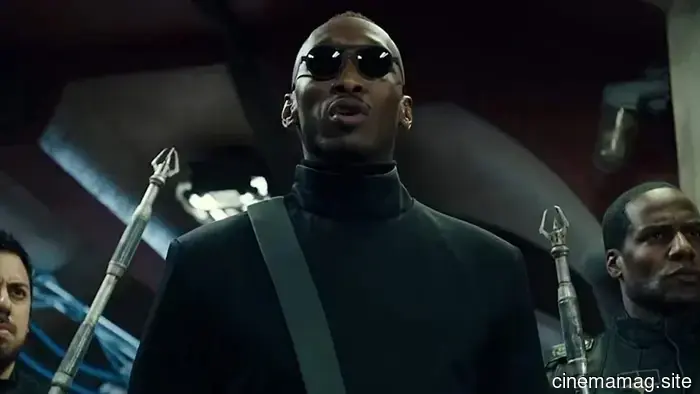 Mahershala Ali criticizes Marvel for ruining the Blade reboot and shares that he has moved on.
As Spider-Man achieves a record-breaking weekend at the global box office, Mahershala Ali is expressing his disappointment over the fact that his much-anticipated Blade film never got underway. During an…
Mahershala Ali criticizes Marvel for ruining the Blade reboot and shares that he has moved on.
As Spider-Man achieves a record-breaking weekend at the global box office, Mahershala Ali is expressing his disappointment over the fact that his much-anticipated Blade film never got underway. During an…
 Alicia Silverstone is set to reprise her role as Cher Horowitz in the sequel series to Clueless.
Paramount+ has revealed that Alicia Silverstone will officially return to portray the iconic character Cher Horowitz, as the platform approves an event series sequel to the beloved 90s teen comedy C…
Alicia Silverstone is set to reprise her role as Cher Horowitz in the sequel series to Clueless.
Paramount+ has revealed that Alicia Silverstone will officially return to portray the iconic character Cher Horowitz, as the platform approves an event series sequel to the beloved 90s teen comedy C…
 Alicia Silverstone will reprise her role as Cher Horowitz in the sequel series to Clueless.
Paramount+ has revealed that Alicia Silverstone will officially return to her role as the trendy Cher Horowitz, as the streaming service greenlights an event series sequel to the beloved 90s teen comedy classic.
Alicia Silverstone will reprise her role as Cher Horowitz in the sequel series to Clueless.
Paramount+ has revealed that Alicia Silverstone will officially return to her role as the trendy Cher Horowitz, as the streaming service greenlights an event series sequel to the beloved 90s teen comedy classic.
 Robosen announces the launch of the auto-converting robot, Fallen Leader Optimus Prime, from The Transformers: The Movie.
In continuing the celebrations for the 40th anniversary of the cherished animated film, Hasbro and Robosen have unveiled promotional images for their latest auto-converting Transformers product, the G1 Flagship Fa…
Robosen announces the launch of the auto-converting robot, Fallen Leader Optimus Prime, from The Transformers: The Movie.
In continuing the celebrations for the 40th anniversary of the cherished animated film, Hasbro and Robosen have unveiled promotional images for their latest auto-converting Transformers product, the G1 Flagship Fa…
 Mahershala Ali criticizes Marvel for mishandling the Blade reboot and shares that he has moved on from the project.
As Spider-Man achieves a record-breaking weekend at the global box office, Mahershala Ali expresses regret that his long-awaited Blade film never got past the initial stages. During an...
Mahershala Ali criticizes Marvel for mishandling the Blade reboot and shares that he has moved on from the project.
As Spider-Man achieves a record-breaking weekend at the global box office, Mahershala Ali expresses regret that his long-awaited Blade film never got past the initial stages. During an...
 Comic Book Preview – What If...? Captain America #1
What would happen if Captain America returned in 2099? This is the question explored in Wednesday's What If…? Captain America #1 from Marvel Comics, and you can catch a glimpse of it…
Comic Book Preview – What If...? Captain America #1
What would happen if Captain America returned in 2099? This is the question explored in Wednesday's What If…? Captain America #1 from Marvel Comics, and you can catch a glimpse of it…
Howard the Duck at 40: The Impact of a Film Marvel Gone Wrong
Dan Carville reflects on Howard the Duck as it marks its 40th anniversary. If you were to ask anyone to list some of the most significant critical and commercial failures in Hollywood, Howard the Duck would likely be mentioned.