
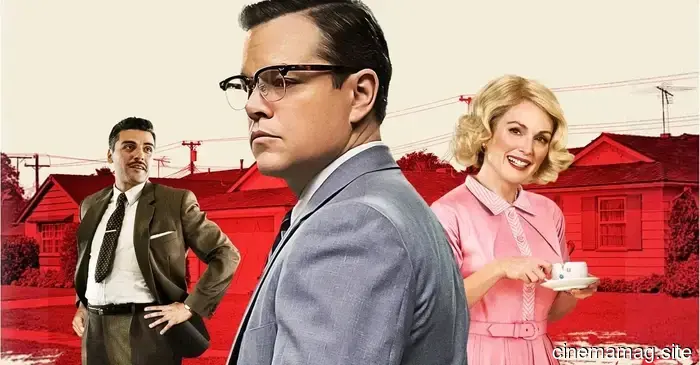
Suburbicon: When Even the Coen Brothers Can't Rescue Your Film
Matthew Shepherd discusses what went wrong with Suburbicon...
Hollywood disasters seem to be increasingly common these days. Productions that lose directors, stars who bail out, or release dates that clash with major franchises—these occurrences have become ordinary. However, Suburbicon, the 2017 dark comedy directed by George Clooney, stands apart. Its situation is stranger and more perplexing than typical film mishaps. The movie, which spent nearly thirty years in development, debuted with significant festival acclaim, a comprehensive marketing campaign from Paramount, and a cast that appeared undeservedly in a film that received poor critical reception. Yet, this film managed to garner only a D- CinemaScore from the few viewers who actually attended. The narrative of how this unfolded is more intriguing than the film itself, which seems to be a recurring theme in this series.
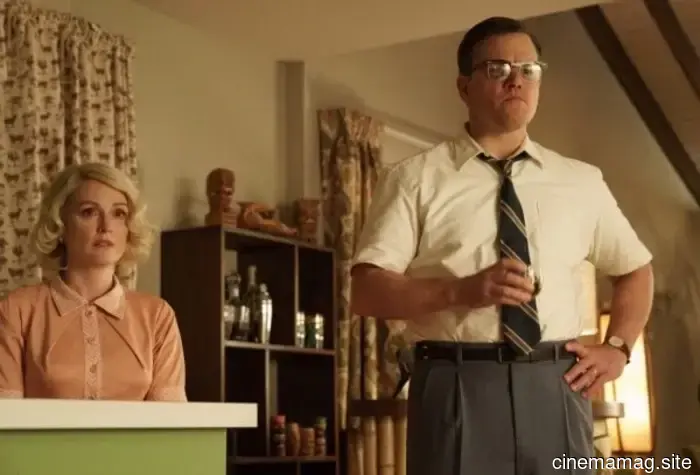
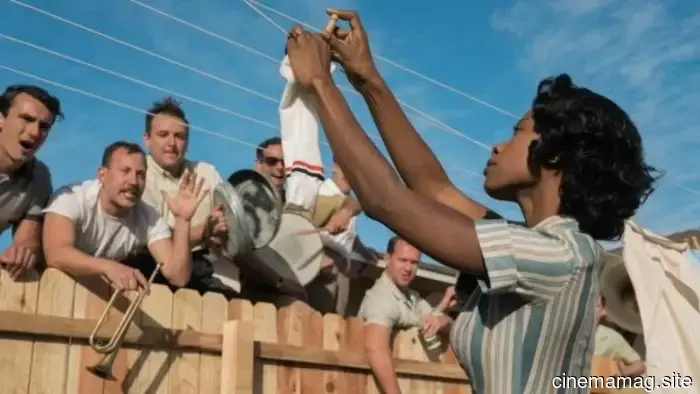
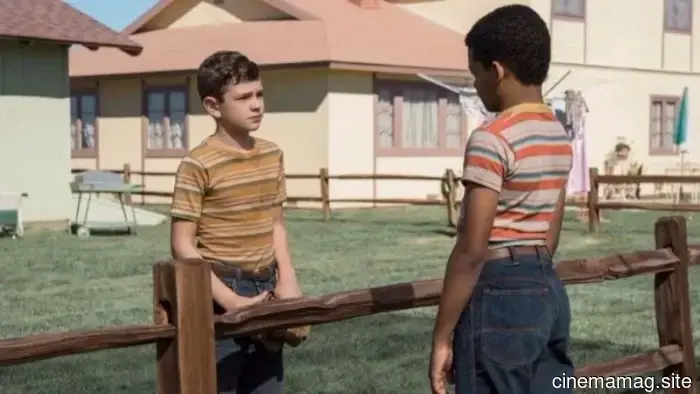
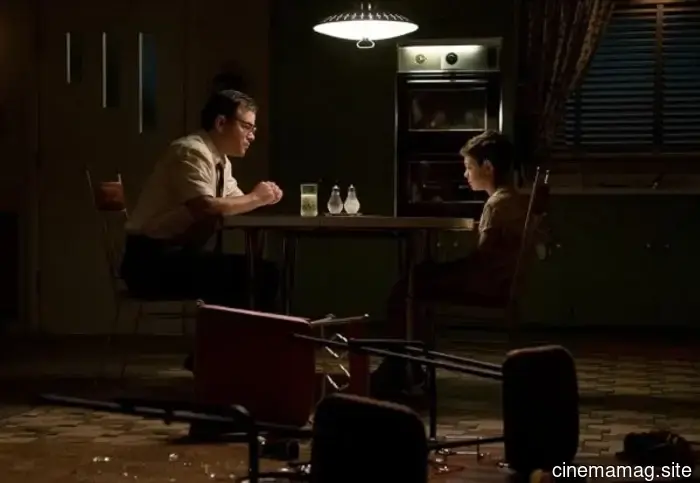
The concept itself appears to be quite compelling. Gardner Lodge, a seemingly average man residing in the pristine suburban community of Suburbicon, experiences a home invasion that results in his wife's death and leaves his son traumatized. As Gardner tries to piece his family's life back together, the facade of his idyllic neighborhood starts to crumble. Running alongside this story is that of the Mayers family, a Black family that has just entered the previously all-white community and faces racial harassment and violence from their neighbors. It sounds like a sharp, insightful dual narrative—akin to a Coen Brothers-style crime comedy intertwined with a probe into America's historical racism. The sort of film that debuts at Venice and sparks intense awards discussions.
What makes the downfall of Suburbicon particularly astonishing is the pedigree it carries. The original script, written by Joel and Ethan Coen in 1986 shortly after Blood Simple, sat idle for almost two decades until Clooney became involved. This should have been a guaranteed success. A Coen Brothers script from a time that produced gems like Raising Arizona and Fargo was deemed a treasure and worth reviving. With Clooney on board, the cast included Matt Damon, Julianne Moore, and Oscar Isaac—three of the most reliable actors of their generation. Notably, Josh Brolin filmed scenes that were eventually cut from the final version, and Woody Harrelson initially signed on but later withdrew.
The film premiered in the main competition at Venice, was showcased in Toronto, and Paramount positioned it firmly within the awards season by acquiring distribution rights for $10 million. Every choice made leading up to the film’s release suggested it would be a surefire hit that people would want to see.
The core issue for the production was one that went seemingly unacknowledged before filming began. Clooney and his producing collaborator Grant Heslov had merged the Coen Brothers’ original crime script with a completely different script they created—one based on the true story of the Myers family in Levittown, Pennsylvania, who endured violent, racist harassment after integrating an all-white community in 1957. The two narratives run alongside each other in the film but fail to intersect or blend cohesively.
The subplot concerning racism, which is the film’s most serious and genuine topic, is treated merely as a backdrop to a Fargo-like insurance fraud story. This tonal clash does not serve as a stylistic advantage; instead, it represents a structural failure that leaves both narratives suffering for sharing the screen. Critics noticed this immediately, with the Rotten Tomatoes consensus stating that the film jumbled together its three attempted narratives ineffectively.
The film’s trailer, akin to that of Collateral Beauty from the previous year, was misleading but in a different manner. Paramount removed virtually all references to the racism storyline from its marketing, presenting the film as a quirky Coen-esque suburban thriller starring Damon in a comedic role. Audiences expecting something in line with Fargo found themselves faced with an unaddressed, serious racial subplot for which the marketing had provided no forewarning. The backlash was evident.
The film debuted with $2.8 million from over two thousand theaters, finishing ninth at the domestic box office, trailing behind Jigsaw. This opening marked the lowest for Matt Damon in a wide release and placed it as the 32nd worst opening ever for a film shown in over two thousand locations. Paramount withdrew it from sixteen hundred theaters after just three weeks—a notably brief run for a major studio film today. The total worldwide gross reached approximately $12 million against a $25 million budget.
However, the statistics fail to encapsulate the particular quality of the film’s failure. A D- CinemaScore is an extraordinary outcome—not just indicating a bad film, but highlighting a film that alienated its paying audience. Collateral Beauty’s failure stemmed from misleading marketing. In contrast, Suburbicon’s issue was more fundamental: it was essentially two incompatible films, helmed by a director who was given a script by more skilled filmmakers and attempted to enhance it by integrating a wholly different script. Whether Clooney believed in the combination’s harmony, or if the project simply amassed too
Other articles
 Preview of Comic Book – X-Men of Apocalypse Omega #1
Marvel Comics will launch X-Men of Apocalypse Omega #1 this Wednesday, and you can check out a preview of the issue below… SECRETS UNCOVERED! BETRAYALS. MORTALITIES. AND A…
Preview of Comic Book – X-Men of Apocalypse Omega #1
Marvel Comics will launch X-Men of Apocalypse Omega #1 this Wednesday, and you can check out a preview of the issue below… SECRETS UNCOVERED! BETRAYALS. MORTALITIES. AND A…
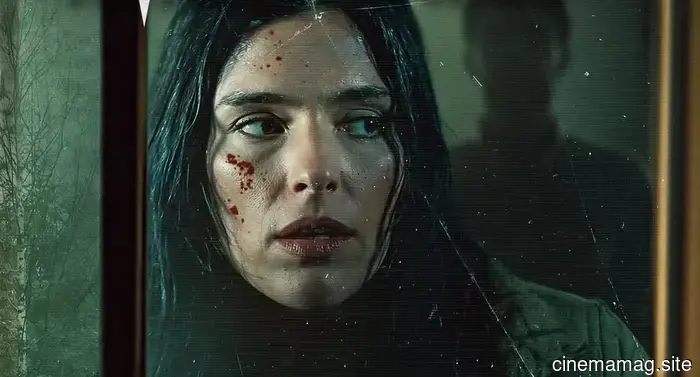 UK artwork for Death Among the Pines unveiled prior to its September launch.
As we move into post-production for our forthcoming reboot of the Robert the Doll franchise, titled Robert Returns, Flickering Myth and Shepka Productions are excited to share the UK release of our thriller, Deat…
UK artwork for Death Among the Pines unveiled prior to its September launch.
As we move into post-production for our forthcoming reboot of the Robert the Doll franchise, titled Robert Returns, Flickering Myth and Shepka Productions are excited to share the UK release of our thriller, Deat…
 UK artwork for Death Among the Pines unveiled prior to September launch
As we move into post-production for the upcoming reboot of the Robert the Doll franchise, titled Robert Returns, Flickering Myth and Shepka Productions are excited to announce the UK release of our suspense thriller Deat…
UK artwork for Death Among the Pines unveiled prior to September launch
As we move into post-production for the upcoming reboot of the Robert the Doll franchise, titled Robert Returns, Flickering Myth and Shepka Productions are excited to announce the UK release of our suspense thriller Deat…
Suburbicon: When Even the Coen Brothers Can't Rescue Your Film
Matthew Shepherd discusses the missteps of Suburbicon… Hollywood failures seem almost routine these days. A production might lose its director, a leading actor may withdraw, or the release date could clash with...