
Campy on Purpose: Irony, Self-Awareness, and the Deliberately Poor Horror Film
Adan Page on the self-aware bad horror film...
There are numerous poor-quality films out there, and we writers online often rely on them for a constant flow of content. Yet, there exists a particular type of bad movie that understands its nature. It’s the film that has examined itself critically, recognized its flaws, and concluded that those flaws are part of its charm. It preemptively mocks itself to deny you the chance to do so. I’m not referencing the glorious and chaotic failings of filmmakers like Ed Wood, who believed in every single frame of Plan 9 from Outer Space with the fervor of someone who encountered divinity in a cardboard UFO. That’s a different kind of unintentional brilliance, deserving of reverence.
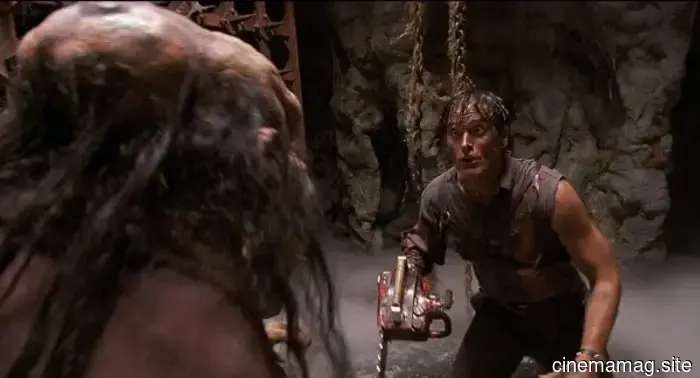
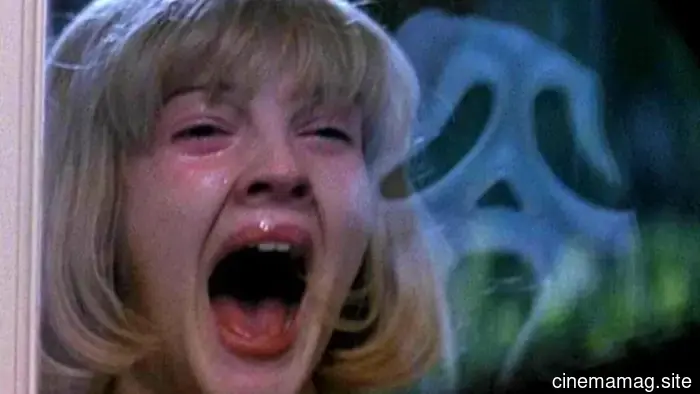
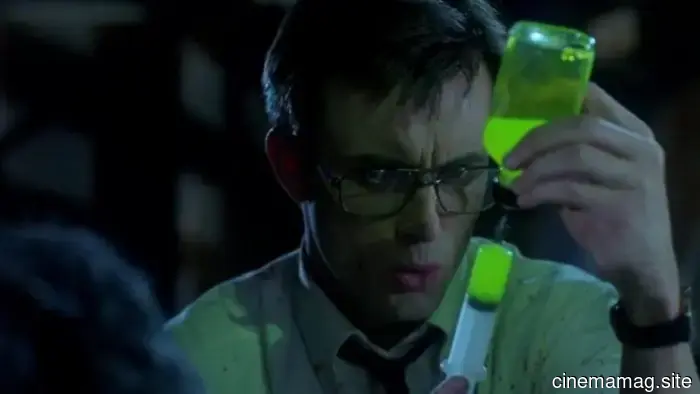
What I mean here is a more calculated and culturally informed approach, specifically the intentionally campy horror films of the late 80s and 90s. These movies constructed their irony from the ground up, so much so that the actors winking at you seem to risk a strain. At its core, it serves as a defense mechanism, revealing a great deal about the era that birthed it.
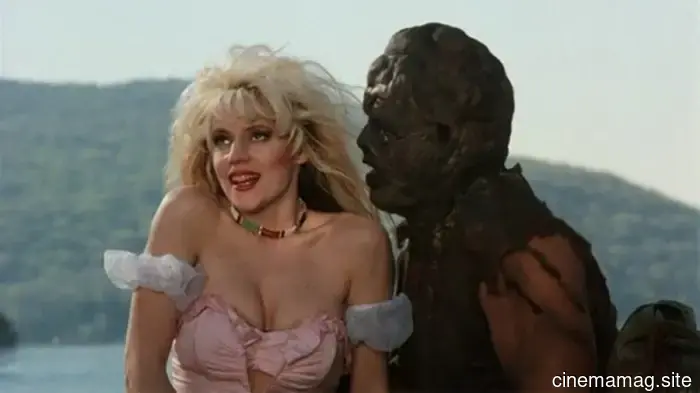
To contextualize this, imagine it's the early 1990s and you're a filmmaker on a limited budget of around $40,000, with a friend who owns a swamp and access to a rubber creature that resembles a novelty pool float. You could choose to make a serious film, pouring your heart into it and attempting to evoke genuine terror while exposing your artistic aspirations to the harsh spotlight of criticism, only to watch them get laughed off the screen. OR, consider this: you could seize the opportunity first. You could craft a film so overtly absurd that anyone labeling it as foolish is merely stating its premise. Essentially, you have shielded the work from the very flaws it possesses.
This approach is more strategic than cowardly. If I may indulge in a somewhat pretentious academic reflection, it represents a deeply postmodern reaction to a media landscape that had become overly refined for its own good.
By the early 90s, audiences had been immersed in the self-awareness of mass media for nearly a decade. Pee-Wee’s Big Adventure illustrated to children that artifice could be amusing, while David Letterman had turned ironic detachment into a late-night ritual. Even The Simpsons were deconstructing television storytelling's conventions in real time, every week at 8pm as families tuned in. Viewers, including the horror fans who persistently flocked to theaters or video rental stores in search of films featuring monsters on the cover, had been conditioned to perceive the seams and appreciate the craftsmanship, finding enjoyment in the disconnect between pretension and execution.
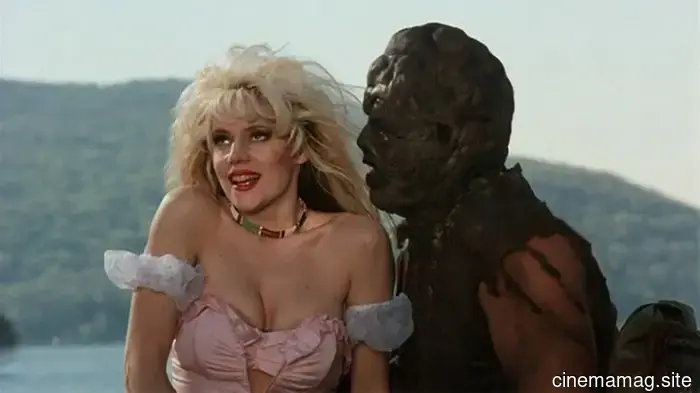
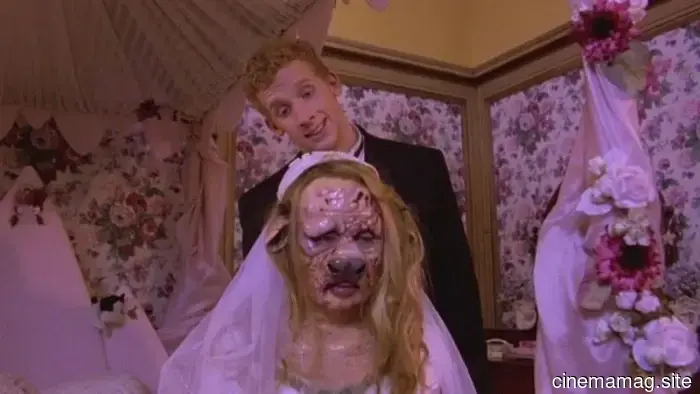
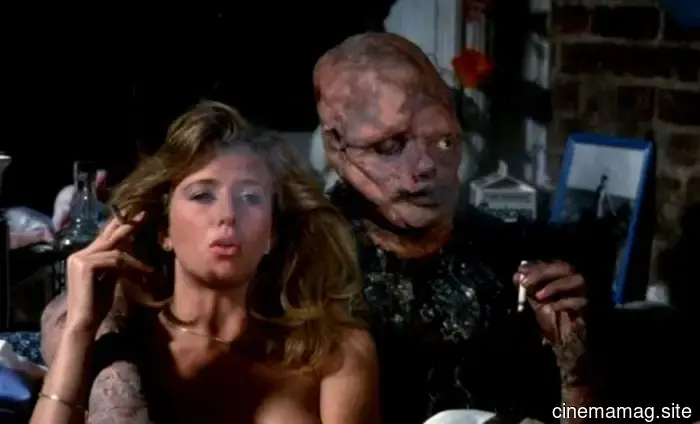
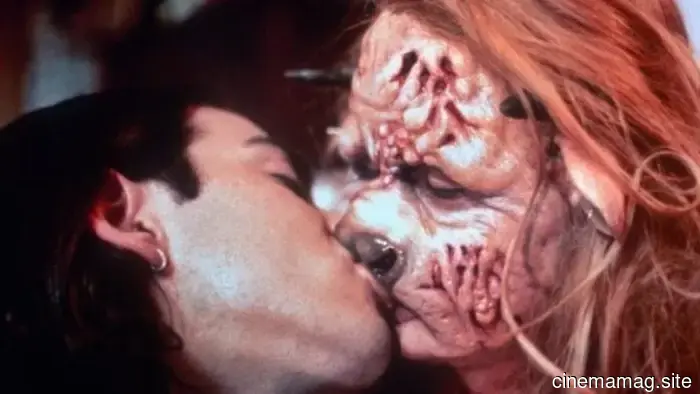
Troma Entertainment was fully aware of this. They had been operating in the more outrageous domains of exploitation cinema since the mid-70s, but their ethos truly crystallized in the 90s. Lloyd Kaufman’s studio, an endearing and genuinely eccentric establishment seemingly destined for condemnation, embraced its low-budget aesthetics with the glee of someone executing a cannonball. The Toxic Avenger, released in 1984, established the blueprint: shockingly excessive gore that incites laughter, sincere heroism that becomes ludicrous, and politics that are so blunt they circle back into pointedness. By the time Tromeo and Juliet emerged in 1996, reimagining Shakespeare through a lens of true anarchic spirit and pig intestines, Troma's brand was fully realized: “We know this is absurd, you know it’s absurd, and in our mutual acknowledgment of that absurdity, we’ve forged a bond.”
This concept is genuinely more intriguing than it may seem. I’ve dined in establishments that took themselves excessively seriously, serving food that was nearly forgettable. Conversely, I've enjoyed burgers from an unpretentious spot in Belfast, served by a middle-aged woman with a cigarette dangling from her mouth; those burgers remain memorable even two decades later. There's a genuine honesty in knowing one's strengths. At their peak, Troma's films functioned like that small eatery.
However, Troma represented the purest embodiment of a movement that extended much wider. The 90s horror landscape was brimming with films that adopted campiness as a kind of armor, and not all were driven by authentic artistic intentions. Some merely hedged their bets, with the wink serving as a buffer against criticism.
Consider the trajectory: The slasher boom of the late 70s and 80s had faltered under the weight of redundancy, with countless sequels generating diminishing returns akin to a photocopy of a photocopy. By the point you reached the fifth installment of a franchise, the horror had largely dissipated, replaced by the comfort of repetition. The viewers knew the formula, and the films acknowledged that understanding, leading to a strange coexistence.
What the knowingly campy horror films of the 90s achieved was the transformation of this coexistence into a genuine

Other articles
 12 Overlooked Movies from the '90s That You May Find Enjoyable
These lesser-known films from the '90s may not have been massive successes, but they are notable for their creativity.
12 Overlooked Movies from the '90s That You May Find Enjoyable
These lesser-known films from the '90s may not have been massive successes, but they are notable for their creativity.
 Exclusive Interview – Garret Dillahunt reflects on his role as a villain in Lanterns and reminisces about his varied career.
Garret Dillahunt visits Flickering Myth to discuss DC’s Lanterns. The actor mentions, “I believe I serve as a good foil for the Lanterns,” regarding his upcoming role in DC Stu.
Exclusive Interview – Garret Dillahunt reflects on his role as a villain in Lanterns and reminisces about his varied career.
Garret Dillahunt visits Flickering Myth to discuss DC’s Lanterns. The actor mentions, “I believe I serve as a good foil for the Lanterns,” regarding his upcoming role in DC Stu.
.jpg) Film Review – The Brink of War (2026)
The Brink of War, 2026. Created and directed by Michael Russell Gunn. Featuring Jared Harris, Jeff Daniels, Branka Katić, Hope Davis, J.K. Simmons, Aya Cash, Guy Burnet, John Ross Bowie, Adrian Rawlins…
Film Review – The Brink of War (2026)
The Brink of War, 2026. Created and directed by Michael Russell Gunn. Featuring Jared Harris, Jeff Daniels, Branka Katić, Hope Davis, J.K. Simmons, Aya Cash, Guy Burnet, John Ross Bowie, Adrian Rawlins…
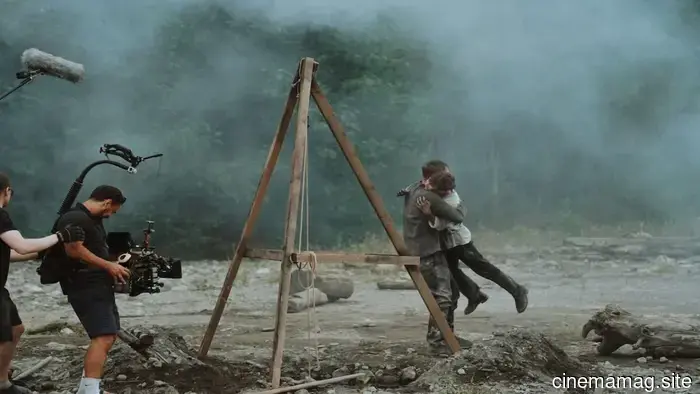 Why Practical Effects Are Not Truly Disappearing - MovieMaker Magazine
For a long time, the dominant narrative in film criticism has been straightforward: CGI triumphed, practical effects fell by the wayside, and viewers adapted to embracing the intangible nature of digital effects.
Why Practical Effects Are Not Truly Disappearing - MovieMaker Magazine
For a long time, the dominant narrative in film criticism has been straightforward: CGI triumphed, practical effects fell by the wayside, and viewers adapted to embracing the intangible nature of digital effects.
 Exclusive Interview – Garret Dillahunt talks about his role as a villain in Lanterns and reflects on his varied career.
Garret Dillahunt visits Flickering Myth to discuss DC's Lanterns… "I believe I make a good counterpart for the Lanterns," remarks actor Garret Dillahunt regarding his forthcoming role in DC Stu…
Exclusive Interview – Garret Dillahunt talks about his role as a villain in Lanterns and reflects on his varied career.
Garret Dillahunt visits Flickering Myth to discuss DC's Lanterns… "I believe I make a good counterpart for the Lanterns," remarks actor Garret Dillahunt regarding his forthcoming role in DC Stu…
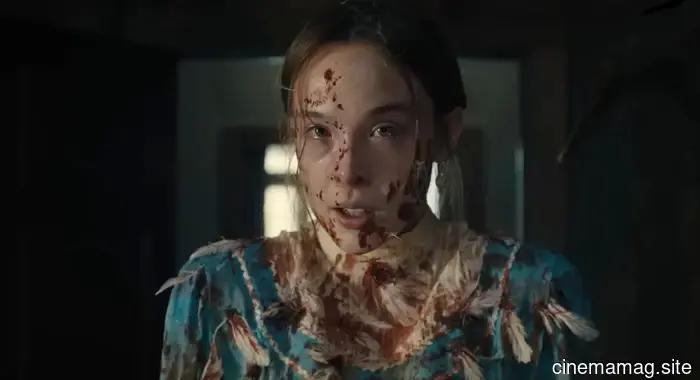 Netflix releases the first trailer for Monster: The Lizzie Borden Story.
Netflix has released the initial teaser trailer for Monster: The Lizzie Borden Story, the fourth installment in Ryan Murphy and Ian Brennan’s true-crime anthology series, featuring Ella Beatty in the lead role.
Netflix releases the first trailer for Monster: The Lizzie Borden Story.
Netflix has released the initial teaser trailer for Monster: The Lizzie Borden Story, the fourth installment in Ryan Murphy and Ian Brennan’s true-crime anthology series, featuring Ella Beatty in the lead role.
Campy on Purpose: Irony, Self-Awareness, and the Deliberately Poor Horror Film
Adan Page discusses the intentionally poor horror film… Numerous substandard movies exist, and we as online writers rely on them for a continual source of content. However, there is one specific…