
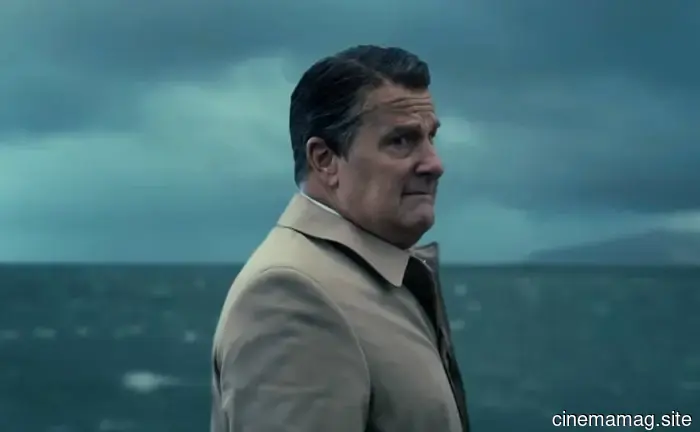
Exclusive Interview – Jeff Daniels Discusses The Brink of War and His Role as President Ronald Reagan
Robert Kojder engages in conversation with Jeff Daniels, the star of The Brink of War…
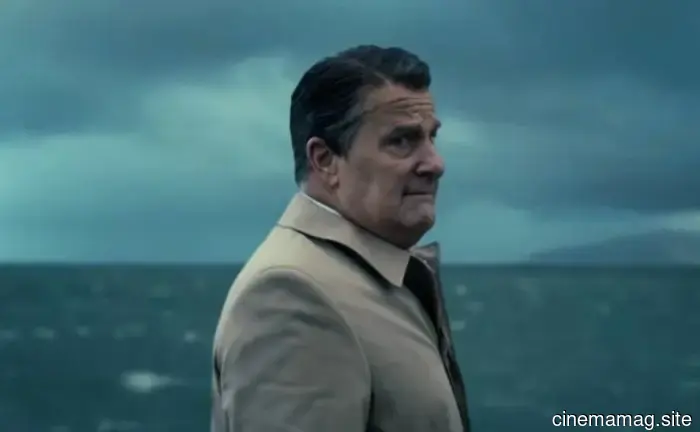
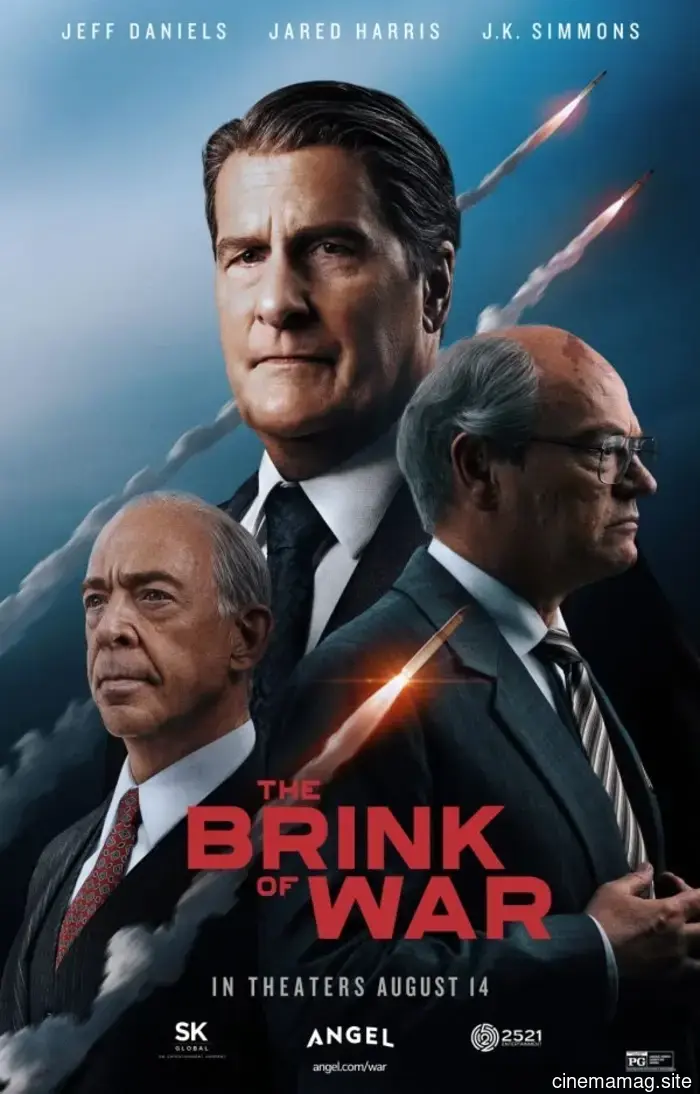
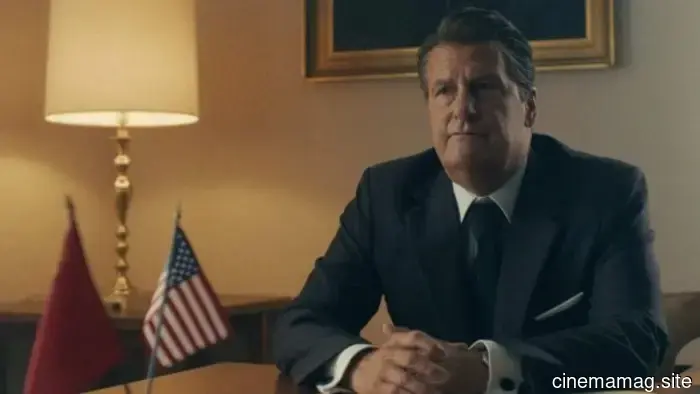
Portraying an American president for the first time in The Brink of War adds another accomplishment to Jeff Daniels' illustrious career. Spanning from heartfelt dramas like Terms of Endearment to comedies such as Dumb and Dumber, and summer blockbusters like Speed, along with his work on television in political dramas like The Newsroom (for which he earned one of his two Emmy Awards), as well as a successful Broadway career, Daniels has established himself as a household name and continues to flourish as an actor. In this film, he embodies Ronald Reagan during the Cold War, concentrating on nuclear disarmament.
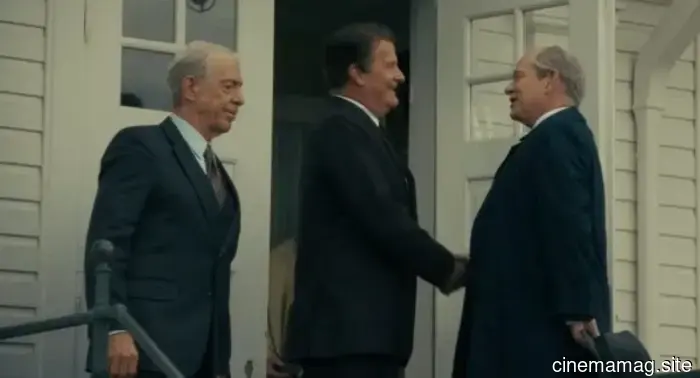
It was indeed a privilege to converse with Jeff Daniels about his role in this dialogue-centric political thriller, largely revolving around discussions and negotiations between him and Mikhail Gorbachev (played by Jared Harris), aimed at creating a safer world. The film was shot on location in Reykjavík, and we discussed character immersion, his reunion with Broadway co-star Hope Davis, and examining who Ronald Reagan was at that time and his emotional state.
Jeff Daniels provides insightful responses in a succinct, straightforward manner that is appreciated, sharing many valuable ideas about acting. There’s also a sense that we could have chatted about baseball indefinitely, which we briefly do after the interview. I've included that short exchange below. Please enjoy the complete interview:
One aspect I appreciate about this film is that it showcases a series of negotiations between political leaders engaging in genuine, mostly respectful adult conversations, a dynamic I find hard to envision in today’s context. Was this something you considered while filming, or a factor that drew you to the project?
No, what’s happening today was not relevant to me. My focus was on portraying a weekend in Reykjavik in 1986 and the events that transpired within that house. It was all about understanding what Reagan was thinking and doing. I wasn’t there to play politics; I was there to explore how to create a safer world by conversing with a formidable rival, Gorbachev. Even though we feel divided and the world feels perilous now, nuclear weapons still exist. These two leaders had the bravery to attempt to talk and negotiate a settlement on nuclear arms that could lead to a safer world for all.
It is achievable. And while we may believe we are more divided now, those who experienced 1986 would argue it was equally perilous and frightening. At that time, 70,000 warheads were aimed at one another without any defense systems in place. If ten missiles had been launched at ten American cities, Reagan had just seven minutes to retaliate with ten in return. It was a situation of mutually assured destruction. Yet these leaders chose not to pursue that path. If global leaders today would adopt a similar mindset regarding our current situation, it would contribute to a safer world.
You mentioned filming in Reykjavik, and I understand you also shot in the actual house. How did that influence your performance? Did you conduct any research on the house?
Well, when you film a movie that takes place in a specific location like Gettysburg, you can picture what it was like since the trees, hills, and rocks are the same. It’s similar with the house in Reykjavik. This is where the meeting happened. This is the room they used. These are the chairs they occupied. As actors, we utilize anything that helps spur our imagination to become someone else. In this case, it was about being Reagan and Gorbachev. You use that space and remain receptive to the atmosphere. The house had a feeling, almost like a character in the film, akin to a church. There was a presence; you could sense it. A significant event took place there, and you let that feeling guide you. Being in that house was beneficial.
Were you provided with any transcripts from the summit to gain a clearer understanding of your role and the events that unfolded?
Michael Russell Gunn [writer/director] had scrutinized all the transcripts. A considerable amount of what’s depicted in the film is drawn from what they said, and even how they expressed it. He was instrumental in guiding me. My mission was to memorize that dialogue, which was extensive. After absorbing it, I then layered on the mannerisms and voice as if icing on a cake, allowing me to present a version of Reagan that the audience could resonate with—perceiving what he felt and thinking as he thought throughout that weekend. That became my focal point, particularly in portraying such an iconic figure.
I also appreciated that the film does not shy away from depicting Ronald Reagan as a flawed individual, leaving us to question whether the public perception of him as a warmonger holds any truth. Can you elaborate on exploring those complexities?
Certainly. He states in the film, “I’ve been labeled a warmonger by the New York Times,” touching on whether he personally took offense to it
Other articles
 10 Films That Have Brought Me to Tears - MovieMaker Magazine
Here are a few films that have brought me to tears.
10 Films That Have Brought Me to Tears - MovieMaker Magazine
Here are a few films that have brought me to tears.
 In Raeden Greer's 'I Love You This Much,' a daughter tends to her ailing father.
Raeden Greer drew from profound personal experiences for her cleverly provocative new short film "I Love You This Much," in which she plays a young woman who is providing care.
In Raeden Greer's 'I Love You This Much,' a daughter tends to her ailing father.
Raeden Greer drew from profound personal experiences for her cleverly provocative new short film "I Love You This Much," in which she plays a young woman who is providing care.
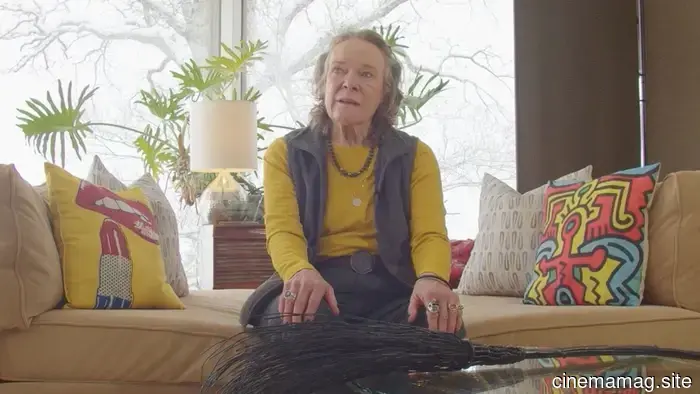 "Iron Pearls" Showcases the Talented Blacksmith Elizabeth Brim
The director of "Iron Pearls," E. Vincent Martinez, recognized from the beginning that Elizabeth Brim's artistry was exceptional: she is a blacksmith with remarkable talent, finesse, and even
"Iron Pearls" Showcases the Talented Blacksmith Elizabeth Brim
The director of "Iron Pearls," E. Vincent Martinez, recognized from the beginning that Elizabeth Brim's artistry was exceptional: she is a blacksmith with remarkable talent, finesse, and even
 10 Films That Have Brought Me to Tears - MovieMaker Magazine
Here are a few films that have brought me to tears.
10 Films That Have Brought Me to Tears - MovieMaker Magazine
Here are a few films that have brought me to tears.
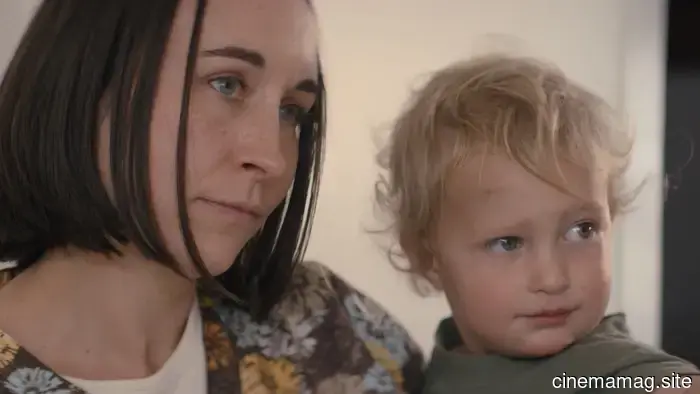 In 'Late Fall,' Co-Directors Alecia Orsini Lebeda and Abigail Jean Lucas narrate the experiences of new parents.
In "Late Fall," co-directors Alecia Orsini Lebeda and Abigail Jean Lucas present a narrative about new parents who find themselves nearly engulfed by their stress, fatigue, and the challenges of parenthood.
In 'Late Fall,' Co-Directors Alecia Orsini Lebeda and Abigail Jean Lucas narrate the experiences of new parents.
In "Late Fall," co-directors Alecia Orsini Lebeda and Abigail Jean Lucas present a narrative about new parents who find themselves nearly engulfed by their stress, fatigue, and the challenges of parenthood.
 In Raeden Greer's 'I Love You This Much,' a daughter looks after her sick father.
Raeden Greer drew from her deep personal experiences for her cleverly challenging new short film "I Love You This Much," in which she plays a young woman providing care.
In Raeden Greer's 'I Love You This Much,' a daughter looks after her sick father.
Raeden Greer drew from her deep personal experiences for her cleverly challenging new short film "I Love You This Much," in which she plays a young woman providing care.
Exclusive Interview – Jeff Daniels Discusses The Brink of War and His Role as President Ronald Reagan
Robert Kojder speaks with The Brink of War star Jeff Daniels… Portraying an American president for the first time in The Brink of War adds another achievement to J's already illustrious career…