
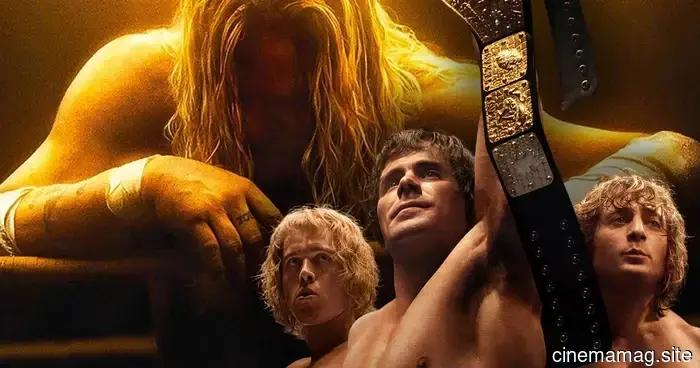
Why Wrestling Films Are Among the Most Emotional Dramas in Cinema
Joseph Jenkinson discusses why wrestling movies offer some of the most emotionally charged dramas in cinema.
Sports dramas have carved out a distinctive niche in film history. Boxing has given us Rocky, baseball has led to Moneyball and Field of Dreams, while motorsports have produced films like Rush and Ford v Ferrari. However, one subgenre within sports cinema has been oddly neglected despite yielding some of the most moving films in the past two decades: professional wrestling.
For many years, professional wrestling has contended with a reputation that no other major sport faces. Often dismissed as 'fake' due to its predetermined outcomes, it is frequently viewed as less legitimate than boxing, football, or mixed martial arts. This criticism fails to grasp what professional wrestling truly represents. Wrestling has never been about competition in the traditional sense; it is live theatre masquerading as sport—an art form of physical storytelling where athleticism, character, and drama are intertwined.
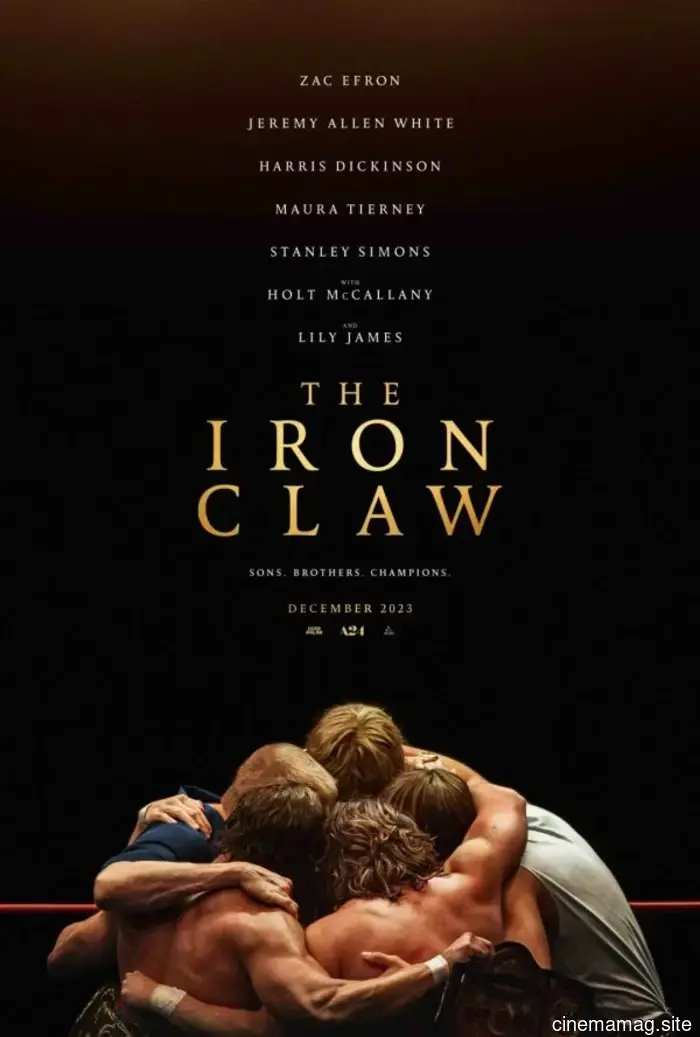
From Darren Aronofsky’s The Wrestler to Sean Durkin’s The Iron Claw, the best wrestling films don't primarily focus on wrestling itself. Instead, they explore the consequences of being unable to separate performance from real life.
Fake Fighting. Real Drama.
According to former WWE producer TJ Wilson, wrestling resonates for the same reasons any great film or television show does. “A compelling wrestling story needs a clear beginning, middle, and end,” he elaborates. “It requires characters that the audience can relate to, complete with their motivations, desires, and imperfections. Additionally, there should be a clear goal or conflict that propels the narrative.”
This blend of sport and performance positions wrestling as uniquely adaptable for cinematic exploration. Like actors, wrestlers adopt meticulously crafted personas, inviting audiences to suspend their disbelief in pursuit of emotional truths. Success hinges not just on physical prowess but also on persuading millions that these exaggerated characters are significant. Applause eventually wanes, new stars arise, and performers are left to grapple with the unsettling question of their identity once the limelight dims.
This could explain why wrestling films often extend beyond the confines of the ring. Rather than merely celebrating titles or victories, they examine themes of identity, family, sacrifice, and the human desire for remembrance through the lens of wrestling. The wrestling ring transforms into a stage, and the matches become secondary to the individuals performing in them.
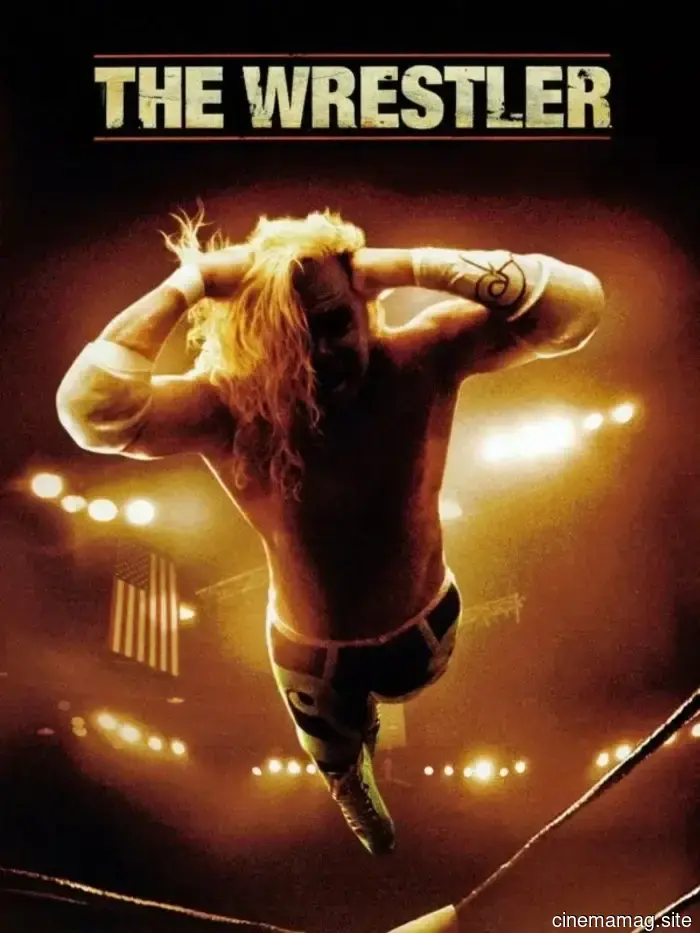
The Wrestler (2008): The Man Who Couldn’t Stop Performing
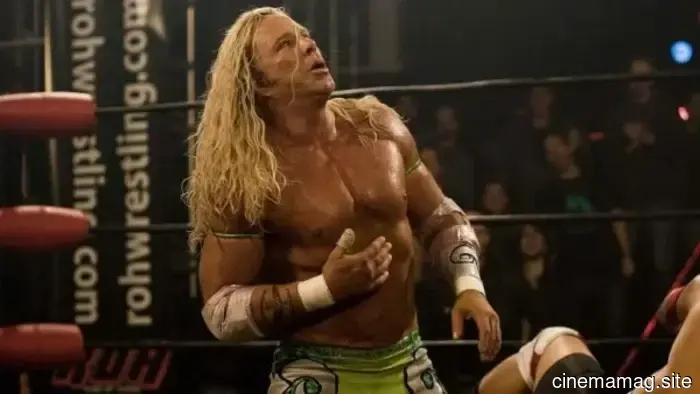
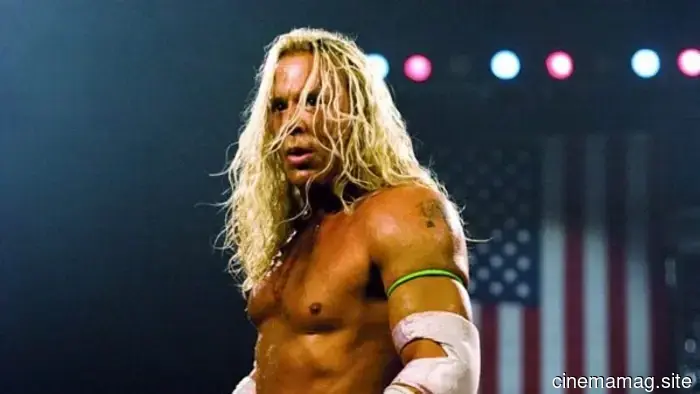
Darren Aronofsky's depiction of fading wrestling star Randy ‘The Ram’ Robinson (played by Mickey Rourke) is less a sports drama and more a poignant tragedy centered on identity, purpose, and the sacrifices made for an audience.
Departing from the stylized surrealism seen in Requiem for a Dream and The Fountain, Aronofsky adopts a near-documentary realism. Handheld cameras follow Randy through cramped hallways and into the ring, placing the audience uncomfortably close to every bruise and heavy breath. The film feels observed rather than performed.
While fictional, The Wrestler carries an unsettling authenticity. Aronofsky invested significant time researching the wrestling world, capturing not just its physical challenges but also its financial instability, addiction, and fleeting fame. Long after the cheers fade, many wrestlers continue to pay a steep price. This reality has impacted figures like Ric Flair and Jake Roberts, and even modern stars such as Dave Bautista have openly discussed the physical toll of the profession.
However, The Wrestler extends beyond its portrayal of professional wrestling. Aronofsky presents the sport with a blend of brutal honesty and genuine affection, depicting it as both art and sanctuary. Randy isn’t merely in pursuit of another championship belt; he seeks the only version of himself that still holds significance. Wrestling symbolizes the masks individuals wear long after they cease to serve as protection.
As with the addictions explored in Requiem for a Dream, the ring offers Randy an escape from reality but at the cost of consuming his true self. Robin Ramzinski gradually fades away until only ‘The Ram’ remains, poignantly captured in a heartbreaking moment: “Oh Robin… it’s Randy.” His performances as a superhero in the ring engulf him to the extent that he is willing to risk everything for a final legacy match.
Just before his entrance, Cassidy appears to share a moment that feels like a cliched film scene where she drops her defenses to connect with him. His rejection perfectly summarizes his journey: “The only place I get hurt is out there,” he states, referring to the real world.
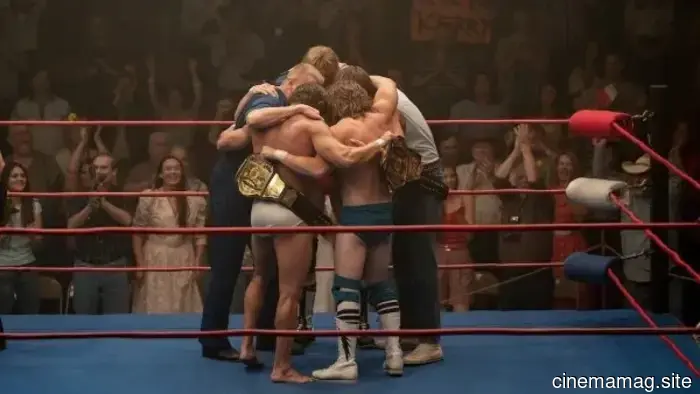
Even at the film’s conclusion, it avoids glorifying Randy's suicidal quest, remaining true to the painful reality that comes with fully committing to the art of wrestling. As the match reaches its peak, Randy seems to face another heart attack. He pushes through and climbs the ropes to execute his finishing move, knowing he may die in the process. While the crowd cheers for him, he remains alone, even in what should be a joyful moment. His tears before his final
Other articles
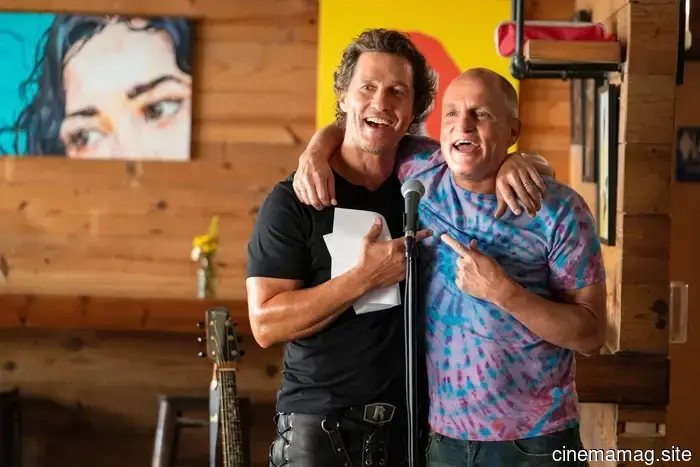 Matthew McConaughey and Woody Harrelson are portrayed as brothers in the trailer for the comedy series on Apple TV.
Apple TV has released a trailer for Brothers, a new comedy series featuring Matthew McConaughey and Woody Harrelson as fictionalized versions of themselves, whose friendship faces challenges.
Matthew McConaughey and Woody Harrelson are portrayed as brothers in the trailer for the comedy series on Apple TV.
Apple TV has released a trailer for Brothers, a new comedy series featuring Matthew McConaughey and Woody Harrelson as fictionalized versions of themselves, whose friendship faces challenges.
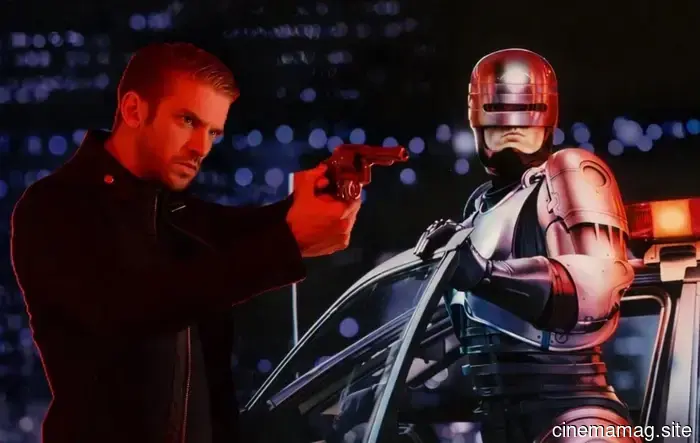 Dan Stevens will don a suit for the RoboCop series on Prime Video.
Old Detroit has a fresh Alex Murphy, as Dan Stevens (The Guest, Beauty and the Beast) is set to don the suit for Prime Video's Robocop series. Officially approved last month, the…
Dan Stevens will don a suit for the RoboCop series on Prime Video.
Old Detroit has a fresh Alex Murphy, as Dan Stevens (The Guest, Beauty and the Beast) is set to don the suit for Prime Video's Robocop series. Officially approved last month, the…
 Mattel has unveiled the Buffy the Vampire Slayer Monster High Skullector 2-pack featuring Buffy and Angel.
Mattel Creations has introduced the Monster High Skullector 2-pack featuring Buffy and Angel, drawing inspiration from the portrayal of Sarah Michelle Gellar and David Boreanaz as the ill-fated couple in the i…
Mattel has unveiled the Buffy the Vampire Slayer Monster High Skullector 2-pack featuring Buffy and Angel.
Mattel Creations has introduced the Monster High Skullector 2-pack featuring Buffy and Angel, drawing inspiration from the portrayal of Sarah Michelle Gellar and David Boreanaz as the ill-fated couple in the i…
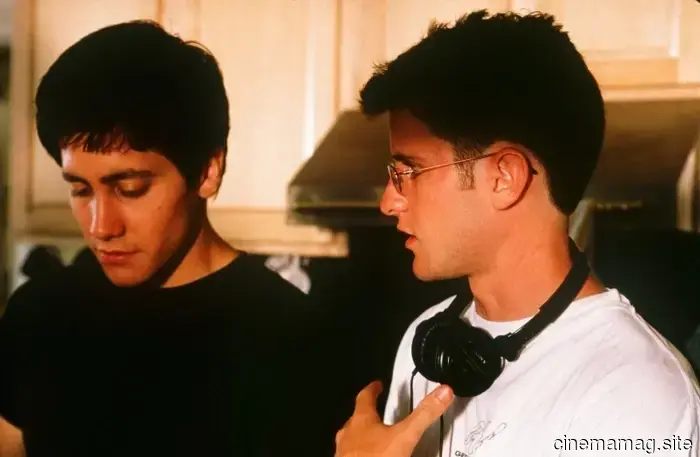 Richard Kelly's sequel novel to Donnie Darko, titled The Philosophy of Time Travel, will be released this fall.
We were thrilled, and honestly relieved, to find out that Richard Kelly has a new project set to release this year, and we were just as surprised to discover it's a novel—a "gigantic" one, as he describes it. Today, we finally received more detailed information, which includes a long-awaited continuation of his Donnie Darko story. In a way. The novel is titled The Philosophy of Time.
Richard Kelly's sequel novel to Donnie Darko, titled The Philosophy of Time Travel, will be released this fall.
We were thrilled, and honestly relieved, to find out that Richard Kelly has a new project set to release this year, and we were just as surprised to discover it's a novel—a "gigantic" one, as he describes it. Today, we finally received more detailed information, which includes a long-awaited continuation of his Donnie Darko story. In a way. The novel is titled The Philosophy of Time.
Why Wrestling Films Are Among the Most Emotional Dramas in Cinema
Joseph Jenkinson discusses why wrestling films offer some of the most poignant drama in cinema. Sports dramas have historically held a distinct position in film. Boxing gave rise to Rocky, while baseball brought us Moneyball...