
Take a look at this: Revisionist History featuring David Thomson, Christophe Gans, Sydney Pollack, discussions about Giger's Alien, and insights from New York film crews.
We still have some summer left to savor, but many of the books featured here evoke an autumn atmosphere for me. So, come along as we bid farewell to summer and embrace fall with the newest work from renowned film writer David Thomson.
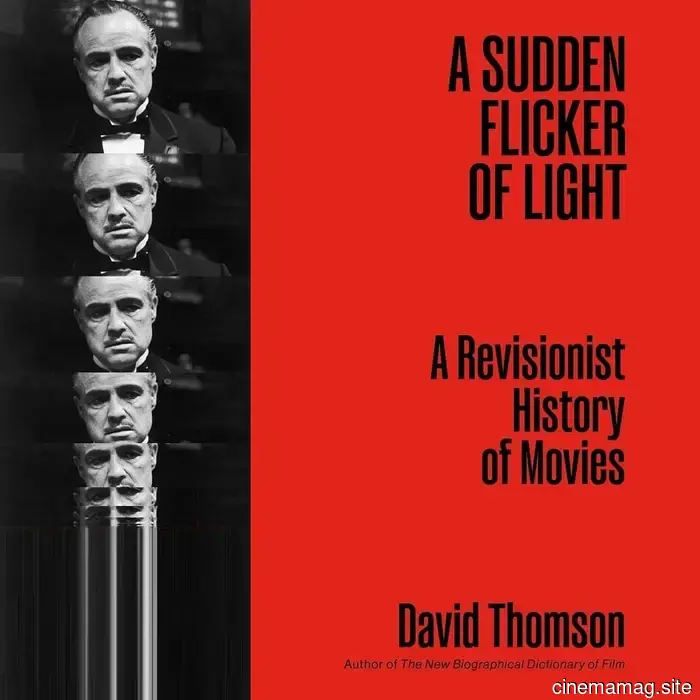
**A Sudden Flicker of Light: A Revisionist History of Movies by David Thomson (Simon & Schuster)**
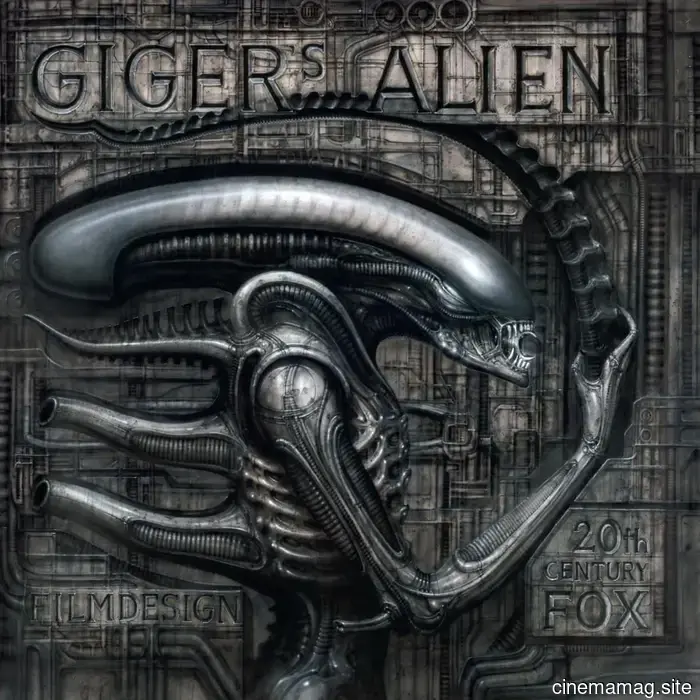
Every few years, I revisit David Thomson’s remarkable *Alien Quartet: A Bloomsbury Movie Guide*, which is the film historian and writer's examination of *Alien*, *Aliens*, *Alien 3*, and *Alien: Resurrection*. Each time I do, I’m reminded that no one compares to Thomson. In his latest work, *A Sudden Flicker of Light*, he confronts cinema’s damaging legacy. At times, Thomson’s views can be a bit jarring, as seen in his comment on Orson Welles and the authorship of *Citizen Kane*: “In just a few years, he had established a new principle, that it was he, not anyone else, who made the movie—me—but don’t trust the arrogant bastard.” Yet even in these instances, his logic is undeniable. While he addresses major films like *Chinatown*, Thomson also includes unexpected diversions, such as his candid and slightly self-deprecating reflection on Al Pacino’s *The Local Stigmatic*: “This film has never been released. You might argue it’s because at 54 minutes it isn’t commercially viable. Or perhaps it’s because it’s terrible. Not that being awful usually stops films from being shown—*Scent of a Woman*, for example, seems absurd and forty-five minutes too long. But it earned Al his Oscar and did quite well. That’s just an opinion, though, and it doesn’t carry weight.” Thomson’s modesty is misplaced; his opinions remain highly significant.
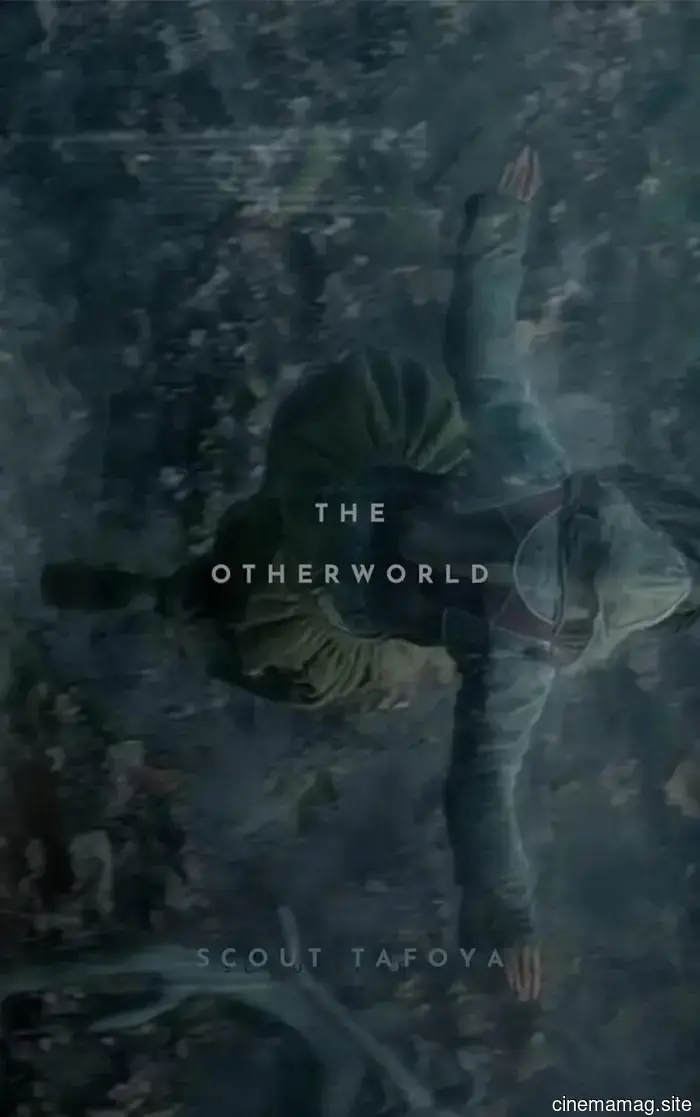
**The Otherworld by Scout Tafoya (Primedia eLaunch LLC)**
My recollection of certain periods of cinema in my life has faded, particularly during the early 2000s. However, I distinctly remember being captivated by Christophe Gans’ wildly imaginative 2001 horror film, *The Brotherhood of the Wolf*. As esteemed film critic Scout Tafoya discusses in *The Otherworld*, his deeply insightful critique of Gans' work, the director draws inspiration from De Palma, Clive Barker, John Woo, and video games. Having directed only five films in thirty years, Tafoya describes each as extraordinary yet also as eager B pictures with A-level production quality. He argues that Gans “will always be out of sync with current trends, but he remains an exceptional stylist who doesn’t belong to France, Japan, or America. He resides in a unique realm of images.” Like his previous books on John Ford and Tobe Hooper, Tafoya’s *The Otherworld* is a triumph, pulsating with passionate joy and excitement much like Gans’ works *Wolf* and *Silent Hill*.
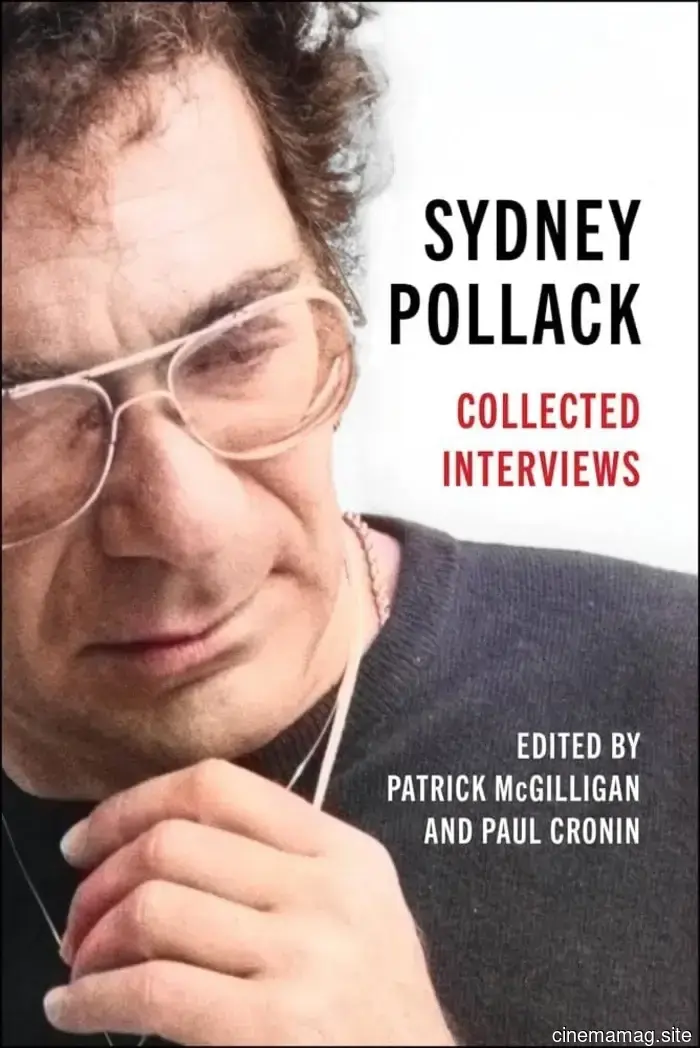
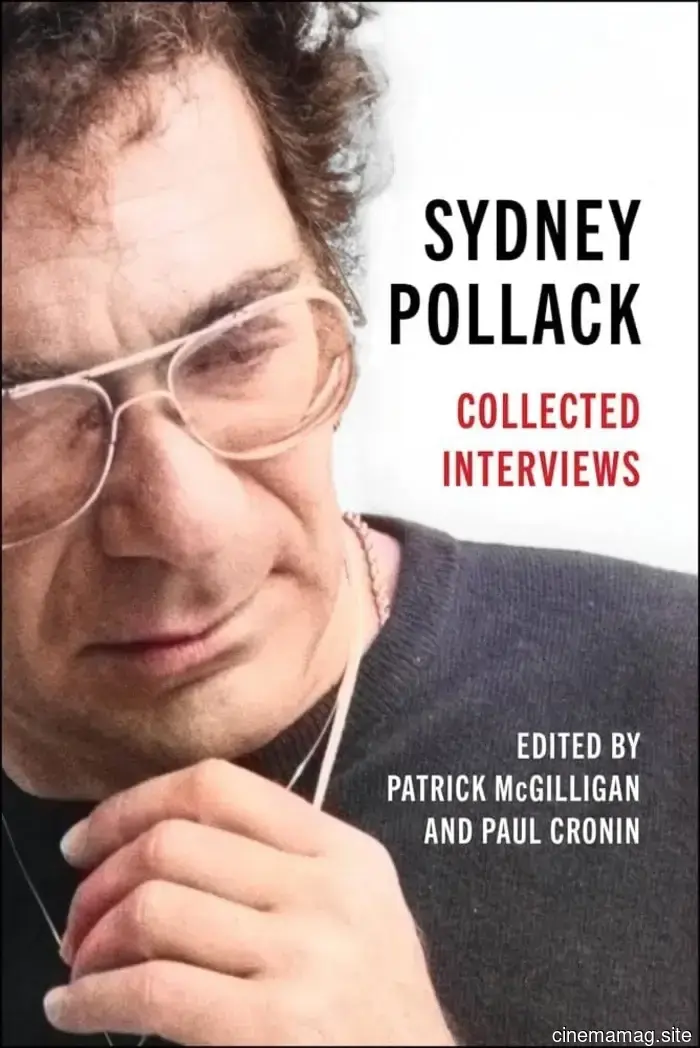
**Sydney Pollack: Collected Interviews edited by Patrick McGilligan and Paul Cronin (University Press of Kentucky)**
Imagining a career as versatile as Sydney Pollack’s seems nearly impossible now. An Oscar-winning director (for *Out of Africa*) proficient in classic comedy (*Tootsie*), engaging thrillers (*Three Days of the Condor*, *The Firm*), and enjoyable schlock (*The Way We Were*), Pollack was also a remarkable actor in films like *Husbands and Wives* and *Eyes Wide Shut*. *Sydney Pollack: Collected Interviews* encompasses all facets of his career, presenting an engrossing glimpse into the transformation of American cinema from the declining studio system of the 1960s to the more socially aware films of the 1970s. Notably, the interview that strikes the strongest chord is Pollack's recounting of his collaboration with Stanley Kubrick on *Eyes Wide Shut*. In “What Stanley Wanted,” a 1999 conversation with Michael Henry for *Positif*, Pollack reflects on watching his portrayal of Ziegler: “I don’t think I come across well in the film. I felt an element of falsehood, a certain exaggeration, although I know this was what Stanley desired, and I trusted him. He wanted those theatrical gestures, those pauses in my performance. It was difficult for me to observe because I don’t find my character believable. But perhaps that’s intentional.”
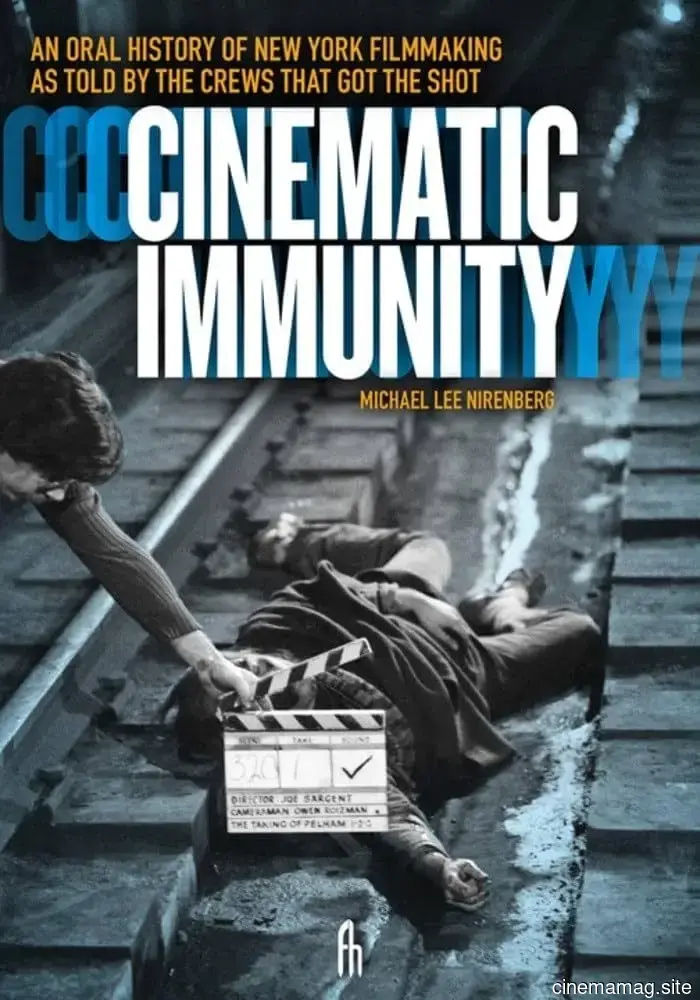
**Cinematic Immunity: An Oral History of New York Filmmaking As Told by the Crews That Got the Shot by Michael Lee Nirenberg (Feral House)**
It’s uncommon to see the spotlight shine on film crews, which makes *Cinematic Immunity* a valuable read. The book centers on various New York crew members, showcasing a “Cast of Characters” that includes electricians, gaffers, helicopter pilots, and makeup artists


Other articles
 McFarlane Toys has started pre-orders for the Batman: Arkham Origins Deathstroke figure from the DC Multiverse collection.
McFarlane Toys has officially introduced its DC Multiverse Deathstroke action figure, drawing inspiration from the mercenary's look in the 2013 video game prequel, Batman: Arkham Origins. The figure…
McFarlane Toys has started pre-orders for the Batman: Arkham Origins Deathstroke figure from the DC Multiverse collection.
McFarlane Toys has officially introduced its DC Multiverse Deathstroke action figure, drawing inspiration from the mercenary's look in the 2013 video game prequel, Batman: Arkham Origins. The figure…
 Mikey Madison's whistleblower character confronts Jeremy Strong's Mark Zuckerberg in the trailer for The Social Reckoning.
Sony Pictures has unveiled the complete trailer for Aaron Sorkin’s The Social Reckoning, which serves as a companion to The Social Network and centers around Mikey Madison’s character, the whistleblower Franc…
Mikey Madison's whistleblower character confronts Jeremy Strong's Mark Zuckerberg in the trailer for The Social Reckoning.
Sony Pictures has unveiled the complete trailer for Aaron Sorkin’s The Social Reckoning, which serves as a companion to The Social Network and centers around Mikey Madison’s character, the whistleblower Franc…
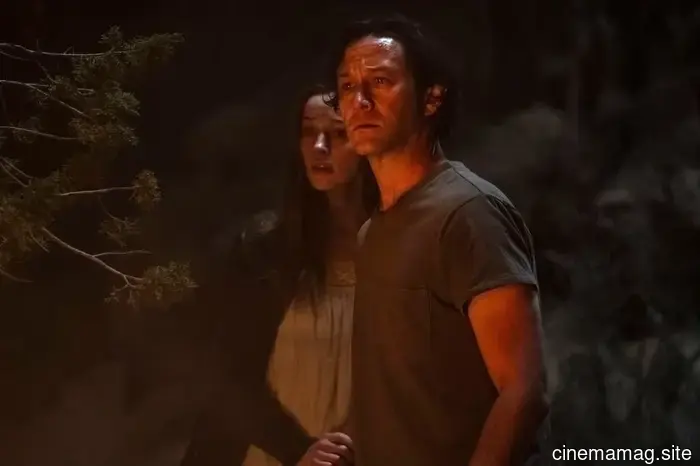 Trailer for the folk horror film "Pendulum" featuring Joseph Gordon-Levitt, Phoebe Dynevor, and Jacki Weaver.
Vertical has released a trailer for Pendulum, the first feature film by writer-director Mark Heyman. This folk horror story revolves around Patrick and Abigail, a couple who sign up for a new-age retreat, hoping it will…
Trailer for the folk horror film "Pendulum" featuring Joseph Gordon-Levitt, Phoebe Dynevor, and Jacki Weaver.
Vertical has released a trailer for Pendulum, the first feature film by writer-director Mark Heyman. This folk horror story revolves around Patrick and Abigail, a couple who sign up for a new-age retreat, hoping it will…
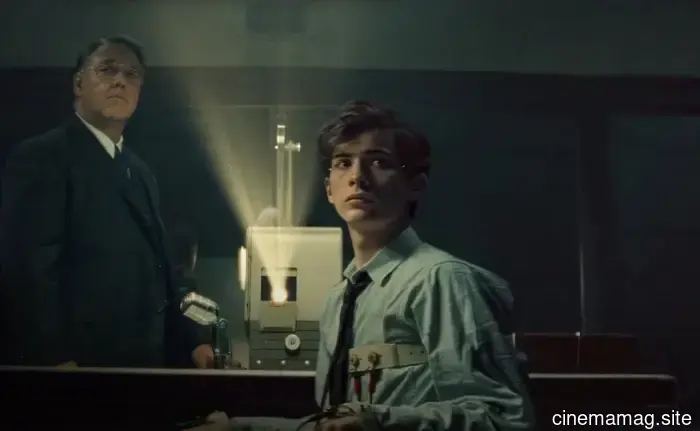 The trailer for the Netflix drama Unabomber features Russell Crowe, Jacob Tremblay, and Shailene Woodley.
Netflix has unveiled the trailer for their crime drama Unabomber, which is based on true events. Featuring Jacob Tremblay in the role of the infamous terrorist Ted Kaczynski, the film explores his formative years as a young...
The trailer for the Netflix drama Unabomber features Russell Crowe, Jacob Tremblay, and Shailene Woodley.
Netflix has unveiled the trailer for their crime drama Unabomber, which is based on true events. Featuring Jacob Tremblay in the role of the infamous terrorist Ted Kaczynski, the film explores his formative years as a young...
 The LEGO Star Wars Ultimate Collector Series Executor Super Star Destroyer is set to be released in October.
The LEGO Group has revealed its largest LEGO Star Wars model ever, featuring the new 6,130 piece Ultimate Collector Series Executor Super Star Destroyer set inspired by Star Wars: Episode V – The Emp...
The LEGO Star Wars Ultimate Collector Series Executor Super Star Destroyer is set to be released in October.
The LEGO Group has revealed its largest LEGO Star Wars model ever, featuring the new 6,130 piece Ultimate Collector Series Executor Super Star Destroyer set inspired by Star Wars: Episode V – The Emp...
.jpg) Film Review – Just Play Dead (2026)
Just Play Dead, 2026. Directed by Martin Campbell. Featuring Samuel L. Jackson, Eva Green, María Pedraza, Eoin Macken, Jason Fernández, Nicole Ansari-Cox, Jordi Borràs, Eduardo Aladro, Salvador Esparza…
Film Review – Just Play Dead (2026)
Just Play Dead, 2026. Directed by Martin Campbell. Featuring Samuel L. Jackson, Eva Green, María Pedraza, Eoin Macken, Jason Fernández, Nicole Ansari-Cox, Jordi Borràs, Eduardo Aladro, Salvador Esparza…
Take a look at this: Revisionist History featuring David Thomson, Christophe Gans, Sydney Pollack, discussions about Giger's Alien, and insights from New York film crews.
There's still a little summer left to savor, yet many of the books featured here evoke a sense of autumn for me. So, let's welcome the fall and bid farewell to summer with the newest release from one of the giants of film writing, David Thomson. A Sudden Flicker of Light: A