
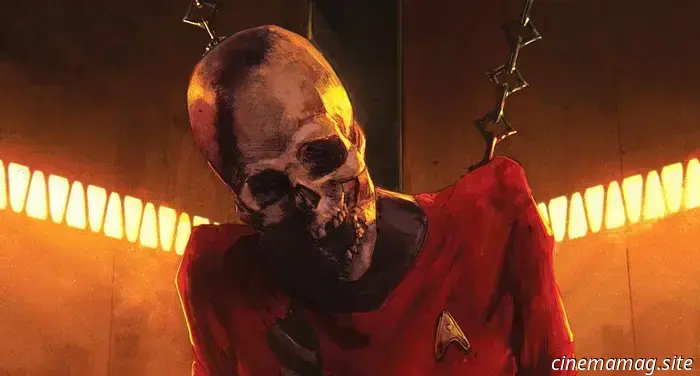
Exclusive Interview – Christopher Cantwell and Megan Levens talk about Star Trek: Red Shirts.
Villordsutch speaks with Christopher Cantwell and Megan Levens, the creative minds behind Star Trek: Red Shirts…
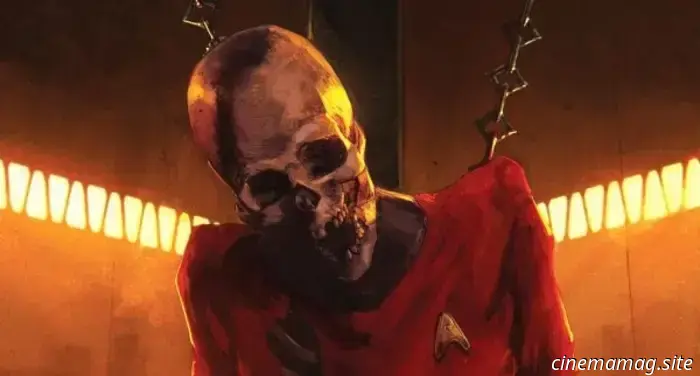
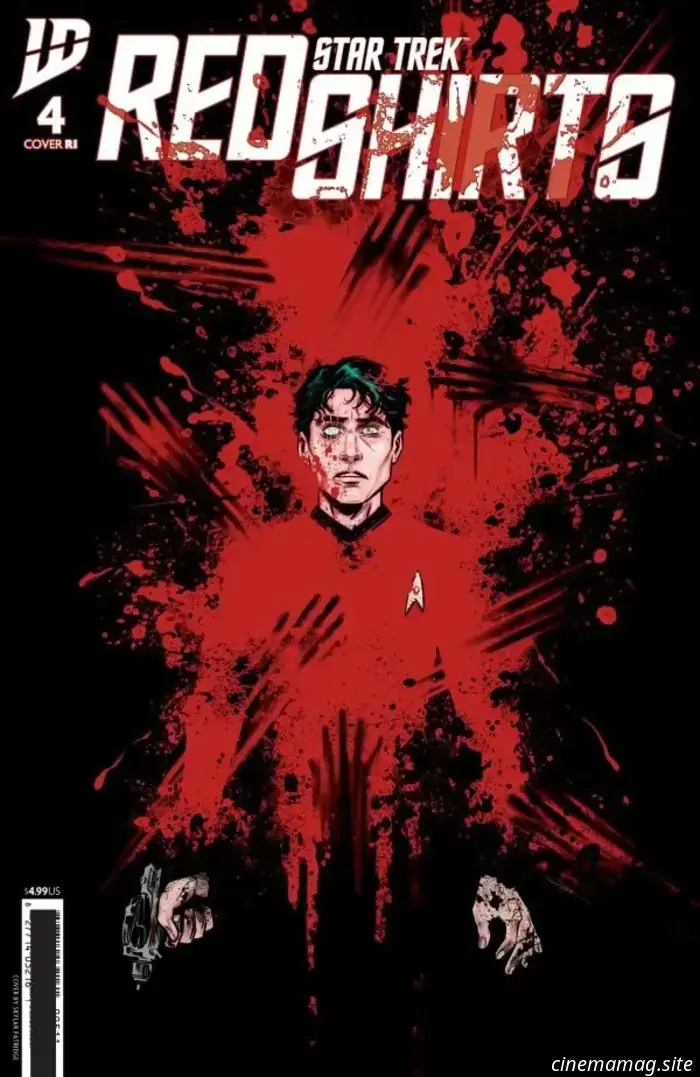
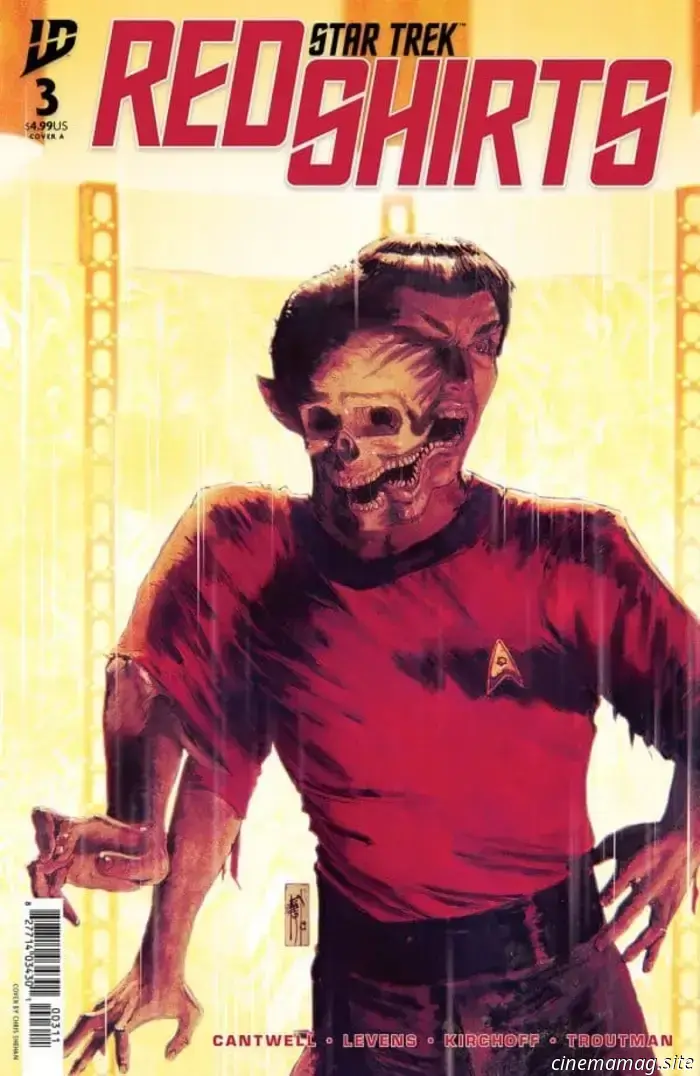
When Star Trek enthusiasts hear "red shirts," they often prepare for the worst. An abundance of jokes and memes circulate online about the unfortunate security personnel of Starfleet, but IDW Publishing’s comic series Star Trek: Red Shirts turns that narrative on its head by embracing the stark realities faced by those crew members. Writer Christopher Cantwell and artist Megan Levens present a raw and honest portrayal of life on the frontlines of the final frontier, delving into themes of danger, sacrifice, and the stories typically overlooked. I chatted with this creative duo to discuss the origins of their approach, the tone of their series, and why these frequently disregarded officers finally deserve the spotlight.
Star Trek is a cherished and highly guarded franchise. Were there any parts of your script or artwork that turned out too graphic, resulting in a polite “that won't be happening,” and ultimately had to be toned down or removed from the final narrative?
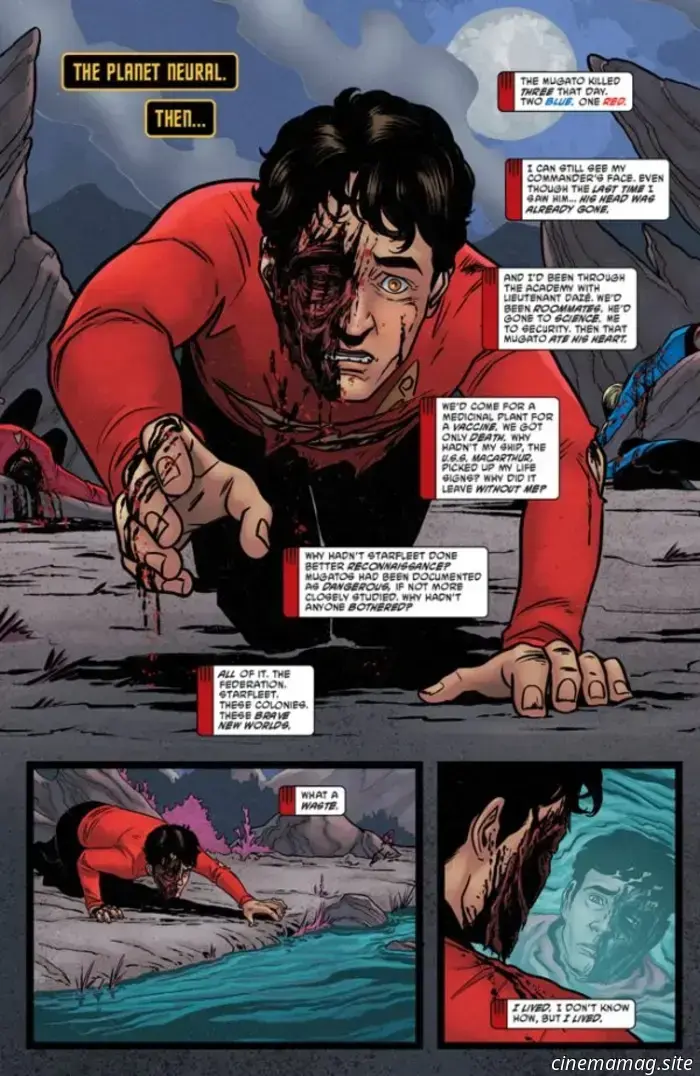
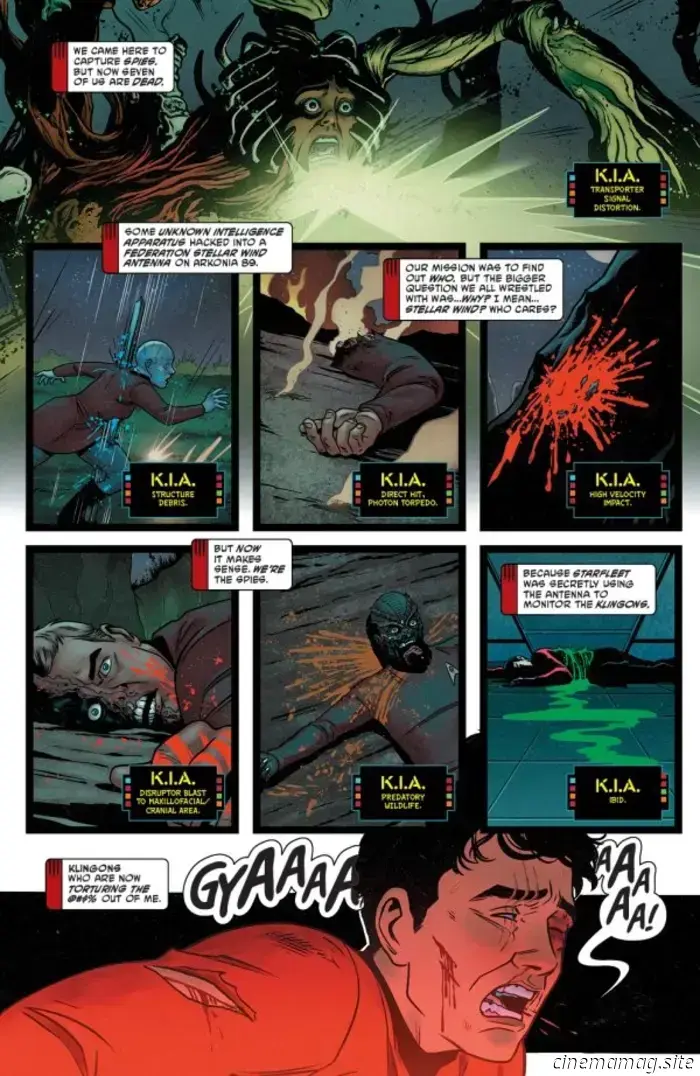
Megan Levens: I can only comment on the art side of production, as I’m not certain whether there were earlier drafts of the script that required restraint. However, before I started drawing, editor Heather Antos said to me, “Remember that scene from a previous comic that was overly gruesome and had to be toned down? Do the exact opposite of that for this book.” I received clear instructions to delve deeper into my darker side, which honestly felt like my team had great confidence in my flexibility as an artist.
Christopher Cantwell: I don’t think that happened. Of course, I didn’t pitch anything too outrageous that I expected Paramount to refuse. Having collaborated with them for years by then, I felt I had a good grasp of what was acceptable. I initially thought I might face pushback regarding the ending… which I did not.
What first attracted you both to the concept of setting the Red Shirt narrative straight? Were you simply fed up with the memes, or was there a deeper motivation to illustrate that these Starfleet officers were much more than mere background casualties?
ML: Before I realized the significant emotional depth this story would have, what drew me to the Red Shirts was that they represent the “unsung heroes” of Starfleet. My favorite TNG episode is “Lower Decks,” and I adore the animated series of the same name. I’m always eager to tell stories about characters who aren’t always in the spotlight on the bridge but are equally crucial to the mission. In this instance, it happens to be those who frequently meet their end on screen due to their willingness to take greater physical risks. That's what they enroll for and train to do. They are actually skilled at their jobs.
CC: It’s a captivating element of Trek, especially TOS, and I wanted to explore these officers as real people. However, it also created high stakes for everyone; all bets were off due to the book's premise. As we learn more about them, their deaths carry significant emotional weight. That was my goal.
Did you outline the fates of the Red Shirts early on in the process, or was it more a matter of inspiration striking with, “I’ve got the perfect death for them!" along the way?
CC: Honestly, I was quite “outside-in” about it. I aimed for a transporter accident because of how traumatic I found that scene in the Motion Picture. I wanted a creature attack and a major starship battle since this is Star Trek; I didn’t want everything confined to the planet. Beyond that, the character development guided how their ends unfolded. Even the ideas I had, I ensured they were woven in a way that felt justified. The significant moment again features in the final issue; I knew I wanted that to happen, but that was because I had a vision for a specific character since the very start.
The series cleverly balances classic Trek adventure, genuine horror, and a dash of dark humor. How did you find the right equilibrium to avoid veering into parody or a full-blown gore fest?
ML: Chris’s writing provided strong guidance in this regard, but for me, what maintained balance was keeping the focus on the characters' emotions. There’s a quiet acceptance, genuine shock and horror, and grief as these individuals witness their friends suffer horrific deaths and face their demise. If those emotions feel authentic, it grounds scenes that might otherwise feel overly cartoonish.
CC: I aimed for sincerity in the story. It wouldn’t work if it was merely a collection of joke deaths. These are real characters, and I dedicated as much effort to them as to any other aspect. Thus, sincerity was always the primary driver. However, the book also needed to reflect its premise. Some deaths had to be striking, balanced by others that felt dramatically intense and emotional.
Star Trek fans are incredibly passionate about their beloved franchise, which has lasted nearly sixty years. Were there specific fan reactions,
Other articles
 The Creel House receives the LEGO makeover with a new Stranger Things set.
The LEGO Group is heading back to Hawkins for its upcoming Stranger Things set, featuring The Creel House from the popular Netflix supernatural drama series. The model available for construction also includes…
The Creel House receives the LEGO makeover with a new Stranger Things set.
The LEGO Group is heading back to Hawkins for its upcoming Stranger Things set, featuring The Creel House from the popular Netflix supernatural drama series. The model available for construction also includes…
 Justin Lin is set to helm the movie adaptation of the Helldivers video game.
Sony Pictures and PlayStation Productions are launching their next video game adaptation with the cooperative shooter Helldivers, enlisting Fast & Furious director Justin Lin to lead the project…
Justin Lin is set to helm the movie adaptation of the Helldivers video game.
Sony Pictures and PlayStation Productions are launching their next video game adaptation with the cooperative shooter Helldivers, enlisting Fast & Furious director Justin Lin to lead the project…
 Netflix has released a new trailer and promotional images for People We Meet on Vacation.
In preparation for its release on Netflix this January, a fresh trailer has surfaced online for director Brett Haley's romantic comedy People We Meet on Vacation. The film is adapted from Emily Henry's novel of the same title.
Netflix has released a new trailer and promotional images for People We Meet on Vacation.
In preparation for its release on Netflix this January, a fresh trailer has surfaced online for director Brett Haley's romantic comedy People We Meet on Vacation. The film is adapted from Emily Henry's novel of the same title.
 James McAvoy's first directorial project, California Schemin’, has released its trailer and poster.
StudioCanal has unveiled a trailer and poster for James McAvoy’s directorial debut, California Schemin’. The film is adapted from Gavin Bain’s autobiography, Straight Outta Scotland, and t…
James McAvoy's first directorial project, California Schemin’, has released its trailer and poster.
StudioCanal has unveiled a trailer and poster for James McAvoy’s directorial debut, California Schemin’. The film is adapted from Gavin Bain’s autobiography, Straight Outta Scotland, and t…
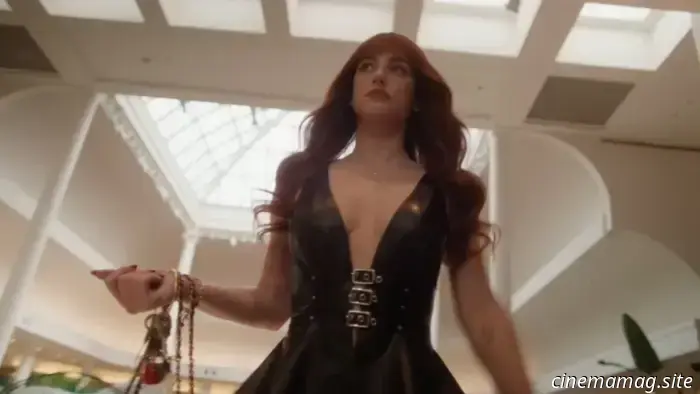 Trailer for the horror film Forbidden Fruits featuring Lili Reinhart and Lola Tung.
IFC Films and Shudder have released a teaser trailer along with initial images for Meredith Alloway's forthcoming horror film, Forbidden Fruits. This is an adaptation of Lily Houghton's play, Of the Wome…
Trailer for the horror film Forbidden Fruits featuring Lili Reinhart and Lola Tung.
IFC Films and Shudder have released a teaser trailer along with initial images for Meredith Alloway's forthcoming horror film, Forbidden Fruits. This is an adaptation of Lily Houghton's play, Of the Wome…
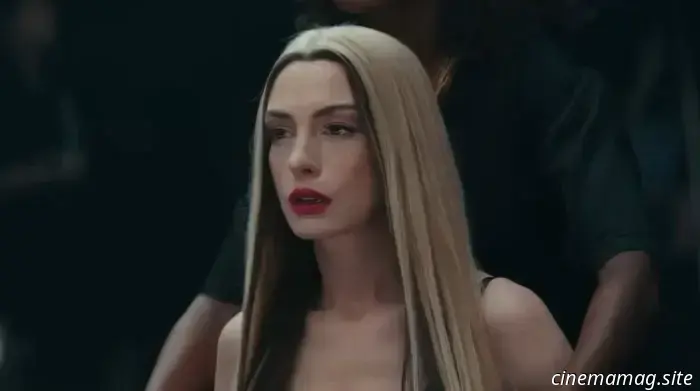 Anne Hathaway, Michaela Coel, and Hunter Schafer feature in the trailer for David Lowery's pop epic, Mother Mary.
A24 has released the trailer for their grand pop melodrama Mother Mary, featuring Anne Hathaway, Michaela Coel, and Hunter Schafer in a story about friends coming together during an existential crisis. Written a…
Anne Hathaway, Michaela Coel, and Hunter Schafer feature in the trailer for David Lowery's pop epic, Mother Mary.
A24 has released the trailer for their grand pop melodrama Mother Mary, featuring Anne Hathaway, Michaela Coel, and Hunter Schafer in a story about friends coming together during an existential crisis. Written a…
Exclusive Interview – Christopher Cantwell and Megan Levens talk about Star Trek: Red Shirts.
Villordsutch talks with Christopher Cantwell and Megan Levens, the duo responsible for Star Trek: Red Shirts… When Star Trek enthusiasts come across the term “red shirts,” they often prepare for the unfortunate outcomes.