
Four Movies to Watch from the 2025 Tallinn Black Nights Film Festival
In a year marked by a pervasive sense of hysteria and confusion, my primary desire for a film festival was simply to find an escape. I’ve grown weary of cinema that tries to present itself as a catalyst for political change. True art isn’t created to persuade or serve as a tool for action, but to inspire reflection, emotional discovery, and philosophical insight. It provides a space for freedom. As I approached this year's Tallinn Black Nights Film Festival in Estonia (commonly referred to as PÖFF), I wasn’t necessarily looking to escape reality, but rather films that encourage exploration within it—cinema that sparks discovery.
Perhaps my perspective was influenced by my first night’s rewatch of Alexandre Koberidze’s Dry Leaf, a film that beautifully celebrates winding, endless, and potentially futile journeys. It set the tone for what I sought and prompted me to engage with films that offer a pleasurable sense of the sublime found in the ordinary. With over 250 feature films displayed across nearly 50 programs, PÖFF proved to be the perfect venue for embarking on such a journey of discovery. The long nights and cold Baltic atmosphere not only fueled my desire to cozy up in a theater but also triggered that state of endless daydreaming and giddiness characteristic of the best festivals.
**The Visitor (Vytautas Katkus)**
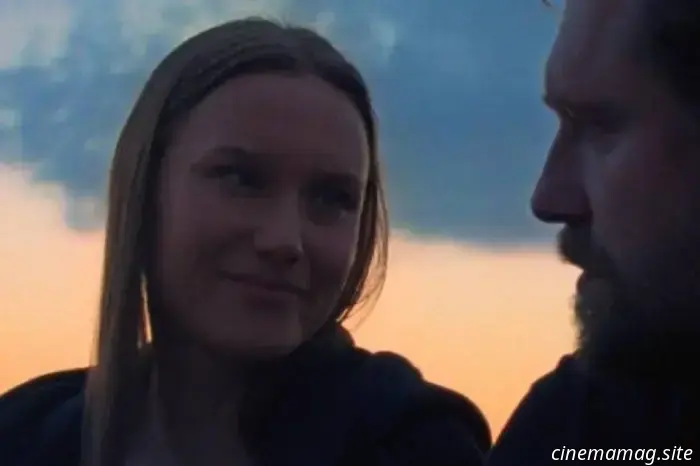
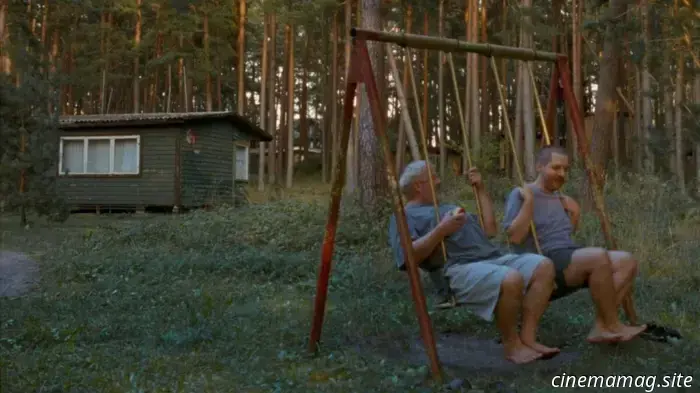
Currently, significant developments are occurring in Lithuanian cinema, many of which have hardly reached New York audiences. Vytautas Katkus’s The Visitor stands as a compelling example that American cinephiles should take more notice of. As this year’s Baltic competition winner (a consistently strong section of the festival), The Visitor is an atmospheric and contemplative film marked by a gradual emergence of absurdist humor. It follows Danielius (Darius Šilėnas), a new father in his mid-30s, as he returns to his hometown to sell his childhood apartment. With few friends and no clear purpose, Danielius spends his days aimlessly wandering through the forest, floating in the ocean, dozing off in public places, and watching karaoke singers from the edges of local bars.
Although the prevailing emotional tone might be one of ennui, Katkus skillfully navigates this profound boredom toward moments of discovery and wonder. We drift alongside Danielius through various scenes, at times losing our connection to him as the camera occasionally focuses on different characters lingering at the edges of the narrative. The film subtly shifts to follow friends, neighbors, and potential tenants in unexpected vignettes before returning to Danielius. In one scene, a couple viewing the apartment remains long after he has left, absorbing the atmosphere and imbuing it with their own peculiar, yuppie-like essence. In another, we follow Danielius’s neighbor, who brings her toddler to the beach and begins singing a lullaby that morphs into an elaborate musical sequence. Yet everything is delivered in the same languid tone: a continual drift that is both calming and amusing, yet strangely hollow. Filmed by Katkus on celluloid and primarily using natural light, the movie is visually stunning, meticulously framed in Tsai Ming-liang-style images that often surprise with their variety of pans, whip-zooms, and subtly off-center compositions, making the visuals both immersive and contemplative.
**The Year of the Hare (Risto Jarva)**
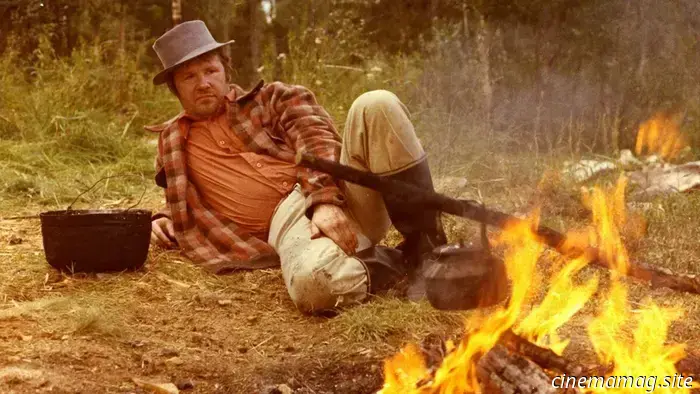
One of PÖFF's notable strengths, aside from its numerous premieres, is its selection of restorations. Among the many Baltic classics I had not previously encountered—like the oldest surviving Estonian film and one of my new favorite pieces of anti-Soviet propaganda, Cheka Commissar Miroschtschenko (1925)—is the Finnish classic The Year of the Hare (1977). Vatanen (Antti Litja), an ad executive from Helsinki, is so exhausted by his life that nearly running over a hare prompts him to leave society behind. After caring for the cute rabbit in the forest and bandaging its foot, Vatanen simply starts walking deeper into the woods, abandoning his friends, wife, and career.
The film possesses a picaresque charm, primarily through the diverse characters Vatanen encounters on his journey north: a reclusive fisherman convinced the Finnish president Urho Kekkonen has been replaced by a doppelganger; a bootlegger determined to enjoy his stock during a forest fire; and a group of wandering urban tourists seeking a “real man of the wilderness.” Director Risto Jarva presents it all with a straightforward style, infused with dry Finnish humor and a discerning eye for stunning landscapes. The rabbit, naturally, is irresistibly charming, and the film's simple, sweet message resonates in that delightful way unique to the best popular cinema.
**Leleka (Harald Hutter)**
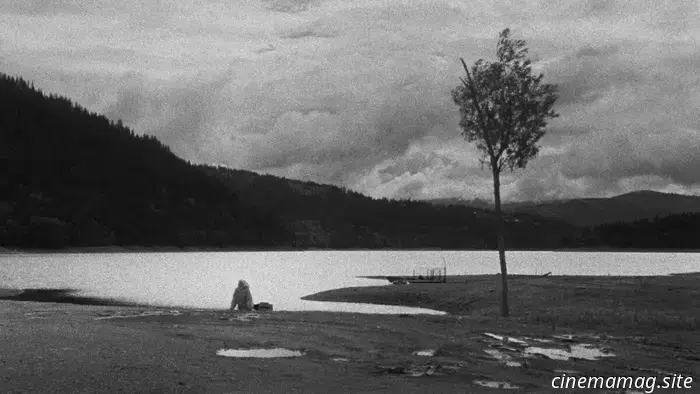
Titled after a Ukrainian stork that remains in its nest to rebuild and mourn after destruction, Quebec director Harald Hutter’s Leleka explores the psychological impacts of
Other articles
 A new adventure featuring the Ninth Doctor and Rose is set to be released in February.
Big Finish Productions is set to launch a completely new adventure featuring the Ninth Doctor and Rose Tyler in February 2026. The journeys of the Ninth Doctor carry on with The Ninth Doctor Adventures: Cloud…
A new adventure featuring the Ninth Doctor and Rose is set to be released in February.
Big Finish Productions is set to launch a completely new adventure featuring the Ninth Doctor and Rose Tyler in February 2026. The journeys of the Ninth Doctor carry on with The Ninth Doctor Adventures: Cloud…
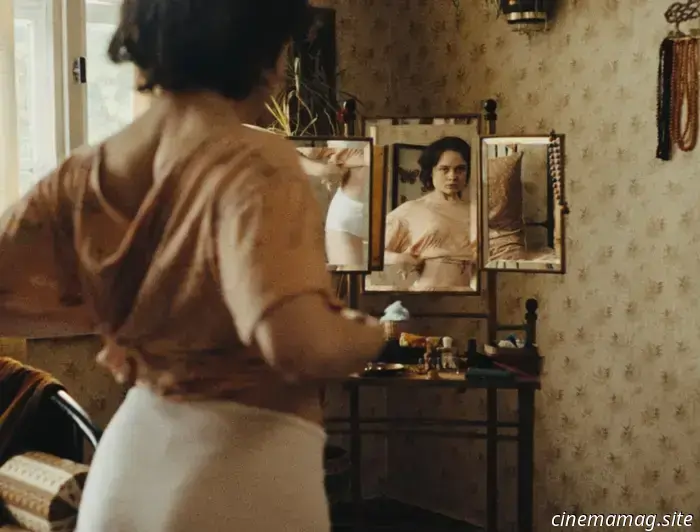 Sound of Falling Trailer: Mascha Schilinski's Cannes Award Winner Set to Release This January
One of the most exciting premieres at this year's Cannes Film Festival was Mascha Schilinski's expansive family saga, Sound of Falling, which earned the Jury Prize and is set to represent Germany at the Oscars this year. With a theatrical release scheduled for January 16, MUBI has unveiled a new U.S. trailer. Here’s the
Sound of Falling Trailer: Mascha Schilinski's Cannes Award Winner Set to Release This January
One of the most exciting premieres at this year's Cannes Film Festival was Mascha Schilinski's expansive family saga, Sound of Falling, which earned the Jury Prize and is set to represent Germany at the Oscars this year. With a theatrical release scheduled for January 16, MUBI has unveiled a new U.S. trailer. Here’s the
 Additional LEGO Star Wars sets for Winter 2026 have been officially announced.
After an initial glimpse at LEGO's mid-scale AT-AT, Venator-Class Attack Cruiser, and the buildable BB-8 model, The LEGO Group has now revealed five additional sets from its Star Wars Winter 2026 collection.
Additional LEGO Star Wars sets for Winter 2026 have been officially announced.
After an initial glimpse at LEGO's mid-scale AT-AT, Venator-Class Attack Cruiser, and the buildable BB-8 model, The LEGO Group has now revealed five additional sets from its Star Wars Winter 2026 collection.
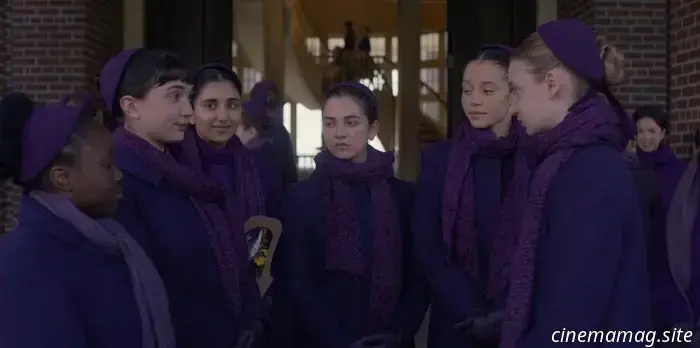 The sequel series to The Handmaid’s Tale, titled The Testaments, has revealed its first look images.
Disney+ unveiled a collection of images this past weekend at CCXP Brazil, providing a first glimpse of The Handmaid’s Tale sequel series, The Testaments. This series is inspired by Margaret Atwood’s novel of the same name.
The sequel series to The Handmaid’s Tale, titled The Testaments, has revealed its first look images.
Disney+ unveiled a collection of images this past weekend at CCXP Brazil, providing a first glimpse of The Handmaid’s Tale sequel series, The Testaments. This series is inspired by Margaret Atwood’s novel of the same name.
-MovieMaker-Magazine.png) Top 10 Crash Gambling Websites: Leading Crash Casino Games (2026) - MovieMaker Magazine
Crash gambling has emerged as one of the most thrilling trends in online gaming, and 2026 is set to be the largest year yet for enthusiasts of crash gaming. Participants
Top 10 Crash Gambling Websites: Leading Crash Casino Games (2026) - MovieMaker Magazine
Crash gambling has emerged as one of the most thrilling trends in online gaming, and 2026 is set to be the largest year yet for enthusiasts of crash gaming. Participants
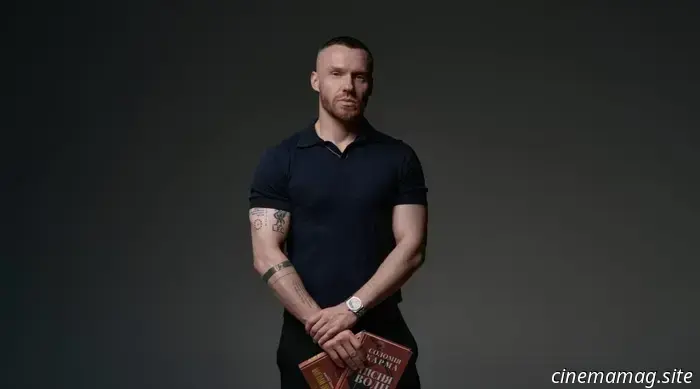 How Writer Dmytro Bielov Entered Hollywood from a War-Torn Country - MovieMaker Magazine
Several narratives emerging from Ukraine today relate to film. One such story belongs to Dmytro Bielov, a screenwriter who has undergone a lengthy and challenging journey in the world of screenwriting.
How Writer Dmytro Bielov Entered Hollywood from a War-Torn Country - MovieMaker Magazine
Several narratives emerging from Ukraine today relate to film. One such story belongs to Dmytro Bielov, a screenwriter who has undergone a lengthy and challenging journey in the world of screenwriting.
Four Movies to Watch from the 2025 Tallinn Black Nights Film Festival
In a year marked by hysteria and confusion, the one thing I genuinely sought from a film festival was an escape. I'm tired of films that attempt to present themselves as catalysts for political change. True art isn't created to persuade you of anything or serve as a tool.