

Akira Kurosawa's 20 Most-Loved Early Movies
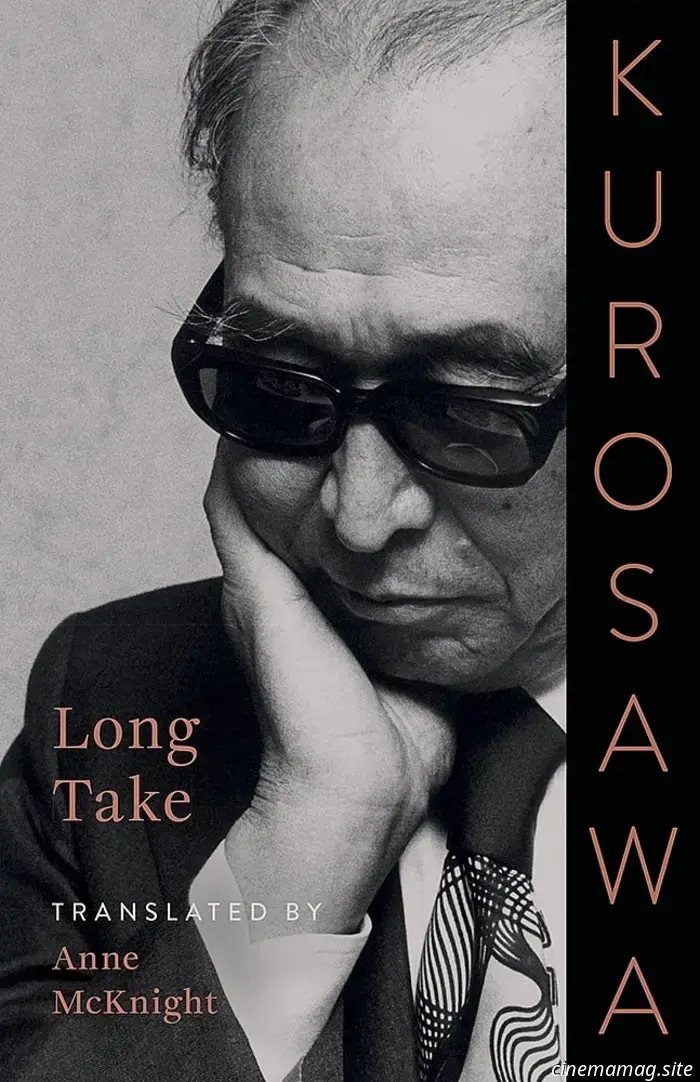
Long Take presents an insightful new portrait of Akira Kurosawa, the iconic Japanese filmmaker renowned for classic films such as Rashomon (1950), Seven Samurai (1954), The Hidden Fortress (1958), High and Low (1963), and Ran (1985). His influence can be seen in movies ranging from Star Wars to The Avengers to A Bug’s Life, with many clear remakes of his work including The Magnificent Seven (both the 1960 and 2016 versions) and Spike Lee’s recent Highest 2 Lowest.
This compilation was put together a year after Kurosawa's passing in 1998 at the age of 88. Long Take frames Akira Kurosawa within the context of the literature and films that influenced him, spanning from Kabuki and Surrealism to Russian literature and Hollywood cinema. It is set to be made available to English readers for the first time via a new translation by Anne McKnight, associate professor of Japanese and comparative literature at the University of California, Riverside, published by the University of Minnesota Press.
One key feature of the book is a section titled The List, curated by Akira Kurosawa’s daughter, Kazuko, based on discussions with him about 100 of his favorite films. Below, we present the first 20 of those films in order of release, rather than preference, along with Kurosawa’s commentary. The translation is by Anne McKnight—M.M.
The First 20 of Akira Kurosawa’s 100 Favorite Films
Provided by University of Minnesota Press – Credit: University of Minnesota Press
1. Broken Blossoms; directed by D. W. Griffith, 1919, USA
Lillian Gish portrays a very proper girl—innocent and well-dressed. Her sister, Dorothy Gish, was more sensual, while Lillian exuded naivety. It was agonizing to see her character endure suffering at the hands of her father. I spotted her again in The Whales of August, and she seemed unchanged. Even as a grandmother, she has aged beautifully.
2. The Cabinet of Dr. Caligari; directed by Robert Wiene, 1920, Germany
This is an essential representation of German Expressionism, and it remains impactful today. The visuals are reminiscent of Expressionist art. There’s so much to glean from works of that era.
3. Dr. Mabuse the Gambler; directed by Fritz Lang, 1922, Germany
I watched this as a child, during the era when Tokugawa Musei was the benshi. My brother, who was also a benshi, took me along, and it was an enjoyable experience. Mabuse, the master of disguise, had a sinister quality. I also vividly recall the flashback scene with the runaway train from Abel Gance’s La Roue (The Wheel, 1923); it left a lasting impression.
4. The Gold Rush; directed by Charles Chaplin, 1925, USA
Chaplin showcased remarkable talent as a comedian, and comedy is the most challenging genre. It’s easy to evoke tears, but he made people laugh. He excelled as a director and was musically gifted; he possessed so many talents that it was hard for him to channel them all. I find Beat Takeshi quite similar in that regard.
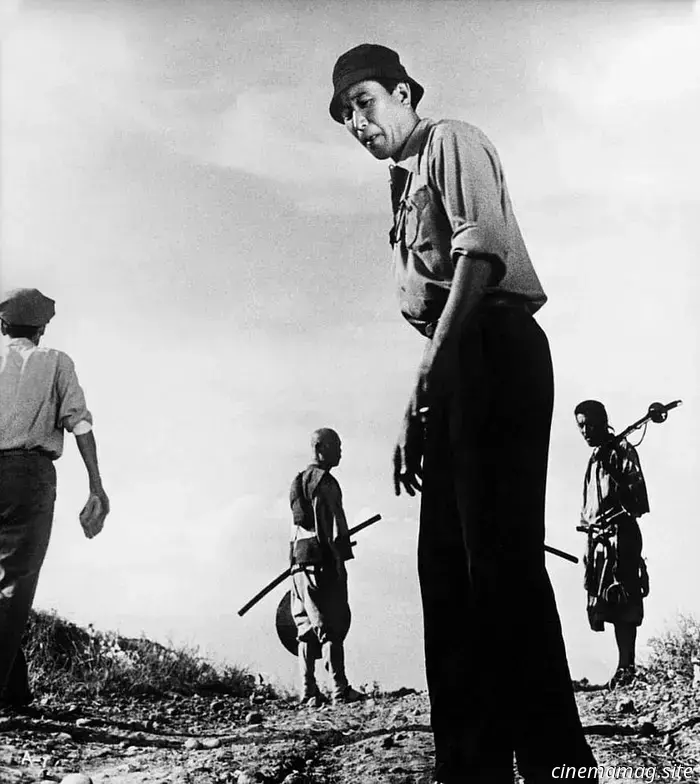
Akira Kurosawa on the set of 1954's Seven Samurai. Toho Co. Ltd – Credit: Toho
5. The Fall of the House of Usher; directed by Jean Epstein, 1928, France
Even as a silent film composed solely of images, it gives off the impression of sound. Its visual language holds remarkable expressive strength. Whenever I begin a film project, I consider how it would be without sound.
6. Un Chien Andalou; directed by Luis Buñuel, 1928, France
It’s quite jarring—especially the early scene with the woman’s eye and the razor. Dalí’s vision translates stunningly, interconnected in a dreamlike randomness. When I was crafting Rashomon, I found insight in those Surrealist techniques.
7. Morocco; directed by Josef Von Sternberg, 1930, USA
A truly deserving moving picture, made on a modest budget yet remarkably executed—particularly the camera movements and the interplay of light and shadow that create atmosphere. I was deeply impressed by this film.
8. Congress Dances; directed by Erik Charell, 1931, Germany
This was the first film to employ playback technology, synchronizing songs to pre-recorded sound. It’s a genuine masterpiece, an operetta. The music seamlessly integrates into the storyline, enhancing character development, and the camera movement is remarkable. I revisited it and realized how much we could learn from these older films.
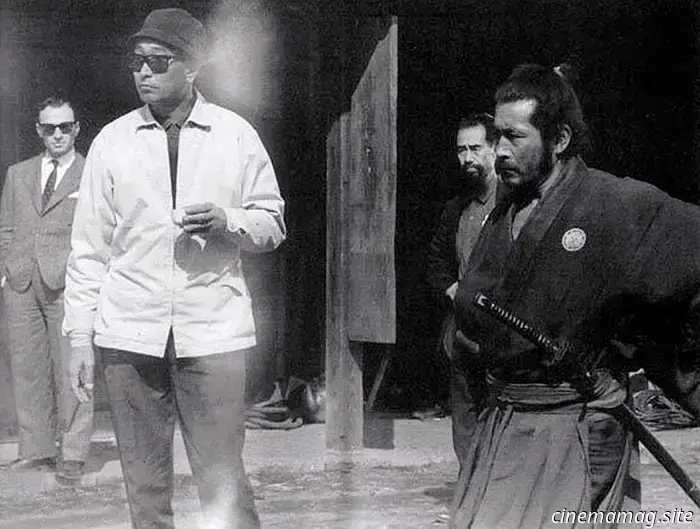
Akira Kurosawa on the set of 1965's Red Beard. Toho Co
Other articles
 The erotic thriller Bight has released a trailer in anticipation of its Valentine's Day premiere.
S&R Films has released a trailer for the forthcoming erotic thriller Bight, which is the feature directorial debut of actress Maiara Walsh (Desperate Housewives), who appears alongside Cameron Cowpert.
The erotic thriller Bight has released a trailer in anticipation of its Valentine's Day premiere.
S&R Films has released a trailer for the forthcoming erotic thriller Bight, which is the feature directorial debut of actress Maiara Walsh (Desperate Housewives), who appears alongside Cameron Cowpert.
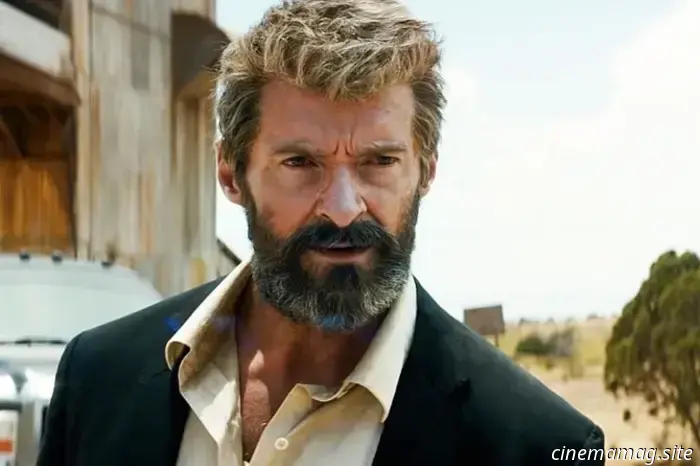 The Top 12 Superhero Films of All Time, Ranked
Which superhero movie is the best of all time? In our opinion, it's one of the following, ranked from the least remarkable to the ultimate classic.
The Top 12 Superhero Films of All Time, Ranked
Which superhero movie is the best of all time? In our opinion, it's one of the following, ranked from the least remarkable to the ultimate classic.
 Neon has released a new US trailer for Julia Ducournau’s Alpha.
Neon has released a poster and trailer for the US debut of writer-director Julia Ducournau’s (Raw, Titane) psychological body horror film, Alpha. The film’s cast features Tahar Rahim and Golshifteh Far...
Neon has released a new US trailer for Julia Ducournau’s Alpha.
Neon has released a poster and trailer for the US debut of writer-director Julia Ducournau’s (Raw, Titane) psychological body horror film, Alpha. The film’s cast features Tahar Rahim and Golshifteh Far...
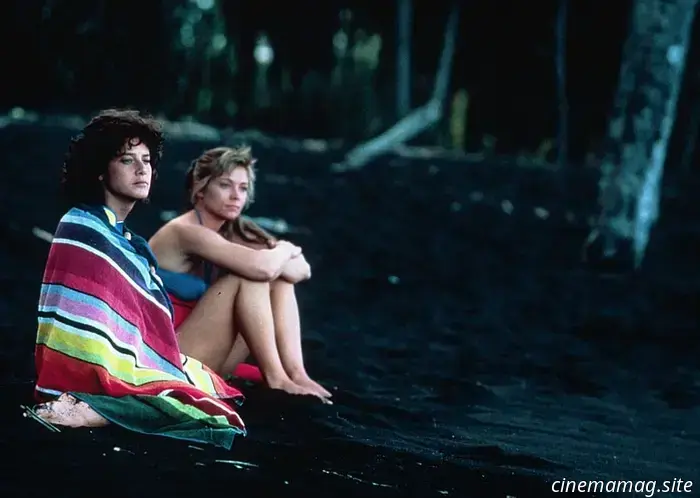 10 Movie Remakes We Would Love to See
There are numerous remakes in Hollywood — perhaps too many. However, these 10 films truly merit remakes that could realize their complete potential.
10 Movie Remakes We Would Love to See
There are numerous remakes in Hollywood — perhaps too many. However, these 10 films truly merit remakes that could realize their complete potential.
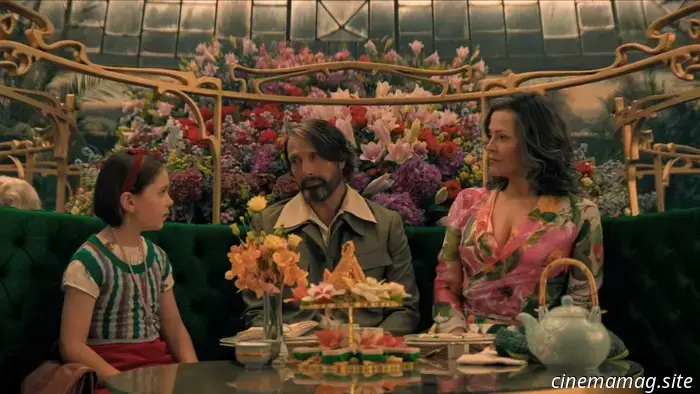 Hannibal showrunner Bryan Fuller discusses his transition to film with Dust Bunny.
In Dust Bunny, Bryan Fuller steps into the role of director following his tenure as showrunner for Hannibal and Pushing Daisies.
Hannibal showrunner Bryan Fuller discusses his transition to film with Dust Bunny.
In Dust Bunny, Bryan Fuller steps into the role of director following his tenure as showrunner for Hannibal and Pushing Daisies.
 Neon has unveiled a poster and trailer for the US release of Julia Ducournau's (Raw, Titane) psychological body horror film, Alpha.
The cast of Alpha features Tahar Rahim, Golshifteh Farahani, Mélissa Boros, Emma Mackey, Finnegan Oldfield, and Louai El Amrousy. Check out the trailer below…
Alpha tells the story of a troubled 13-year-old girl who lives with her single mother. Their lives take a turn when she comes home from school with a tattoo on her arm.
SEE ALSO: Check out our review of Alpha here.
Alpha is set to premiere in US theaters on March 27th.
About Amie Cranswick: Amie Cranswick has been a member of the editorial team at Flickering Myth for over ten years. With a background in publishing and copyediting, she has been the Executive Editor of FlickeringMyth.com since 2020.
Casey Chong shares a selection of seven films related to influencer culture that you should consider adding to your watchlist. Influencer culture, which includes social media influencers and vloggers, is often portrayed…
Neon has unveiled a poster and trailer for the US release of Julia Ducournau's (Raw, Titane) psychological body horror film, Alpha.
The cast of Alpha features Tahar Rahim, Golshifteh Farahani, Mélissa Boros, Emma Mackey, Finnegan Oldfield, and Louai El Amrousy. Check out the trailer below…
Alpha tells the story of a troubled 13-year-old girl who lives with her single mother. Their lives take a turn when she comes home from school with a tattoo on her arm.
SEE ALSO: Check out our review of Alpha here.
Alpha is set to premiere in US theaters on March 27th.
About Amie Cranswick: Amie Cranswick has been a member of the editorial team at Flickering Myth for over ten years. With a background in publishing and copyediting, she has been the Executive Editor of FlickeringMyth.com since 2020.
Casey Chong shares a selection of seven films related to influencer culture that you should consider adding to your watchlist. Influencer culture, which includes social media influencers and vloggers, is often portrayed…
Akira Kurosawa's 20 Most-Loved Early Movies
In Long Take, Akira Kurosawa presents 100 of his favorite films. Below are the first 20, compiled by Kazuko Kurosawa and translated by Anne McKnight.